Winter in the Fox Cities and Green Bay area is no joke. With wind chills plunging to -60, blowing winds, and frequent school closures, it’s clear that winter takes a toll.
One of the most prevalent issues we face is plumbing problems, particularly frozen pipes. These can cause significant damage and rack up hefty costs for homeowners.
As the mercury dips, it’s time to winterize your plumbing. Depending on the age and installation of your pipes, a sudden halt in water flow can cause them to vibrate within walls. If not securely fastened, they can bang into walls, eventually cracking and leaking.
But don’t worry, I’ve got your back. I’ve compiled a list of 10 green tips to help you prepare your plumbing for the cold winter months. With these tips, you can prevent frozen pipes and avoid major winter plumbing issues. So, let’s dive in.

1: Insulate Your Pipes
Insulating pipes is a crucial part of preparing your plumbing for the winter months. By covering your pipes, you can help prevent them from freezing and potentially bursting, leading to significant damage and costly repairs.
Check for Vulnerable Areas
Before you embark on the task of insulating your pipes, it’s vital to identify the areas in your plumbing system that are most at risk of freezing.
Exterior pipes, as well as those located in unheated areas such as attics, basements, and garages, are among the most vulnerable and should be prioritized.
Remember, it’s essential to inspect all visible pipes for any existing cracks or leaks. If any issues are spotted, they must be addressed immediately to prevent further problems as temperatures drop.
Use Pipe Insulation
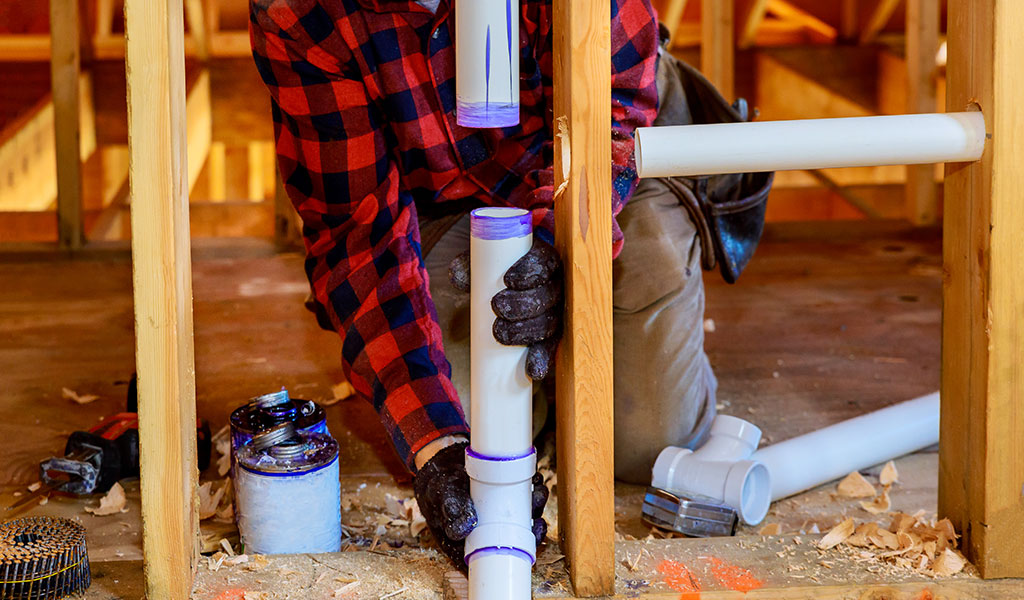
Insulating pipes is a beneficial and cost-effective measure for plumbing protection during winter, but it’s not foolproof as cold air can still reach the pipes.
Therefore, pairing pipe insulation with heat cable, which has built-in thermostats to monitor pipe temperatures, is recommended.
Avoid using only insulation in unheated areas like crawl spaces, attics and garages as it may be ineffective due to the intrusion of cold air. External faucets and hose bibs should also be protected with insulating covers to minimize freezing risks.
2: Seal Air Leaks
Air leaks can be a major contributor to heat loss and freezing temperatures impacting your pipes during winter. The attic and basement areas – along with exterior walls, windows, and doors – are often the most vulnerable sites.
It’s essential to conduct a thorough inspection and rectify any insulation issues to maintain a warm and consistent temperature throughout your home.
Inspect for Leaks
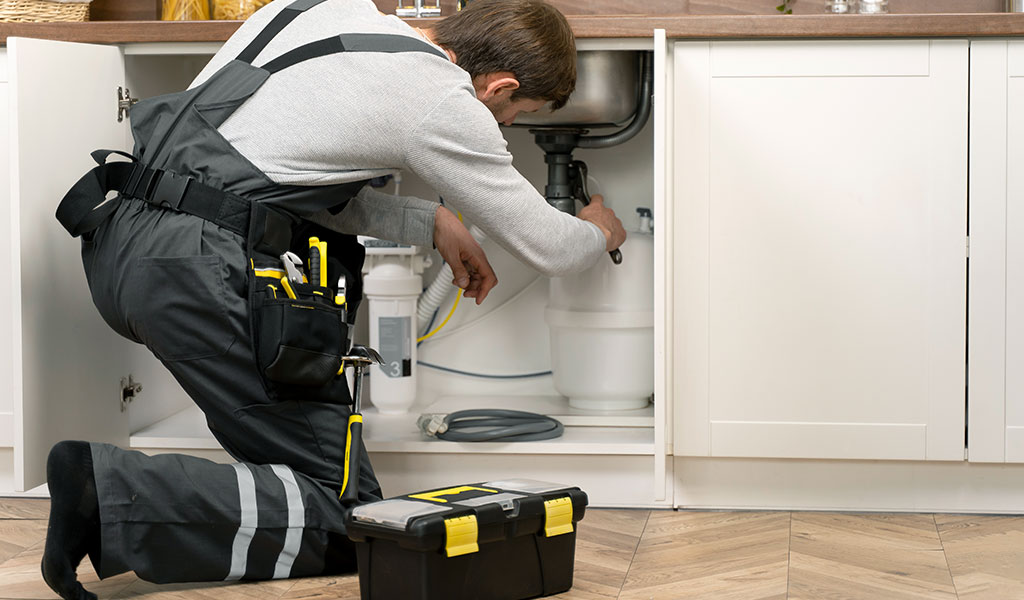
Start by checking for drafts around your home. Is it colder near the windows? Does the temperature drop significantly in the basement or attic? These signs could indicate air leaks. Pay special attention to the areas where your plumbing system is located.
If your pipes are exposed to frigid temperatures due to gaps in insulation, they’re more likely to freeze and burst. Protecting these vulnerable areas by identifying and addressing air leaks can greatly reduce the risk during months of severe cold.
Seal with Caulk or Weather Stripping
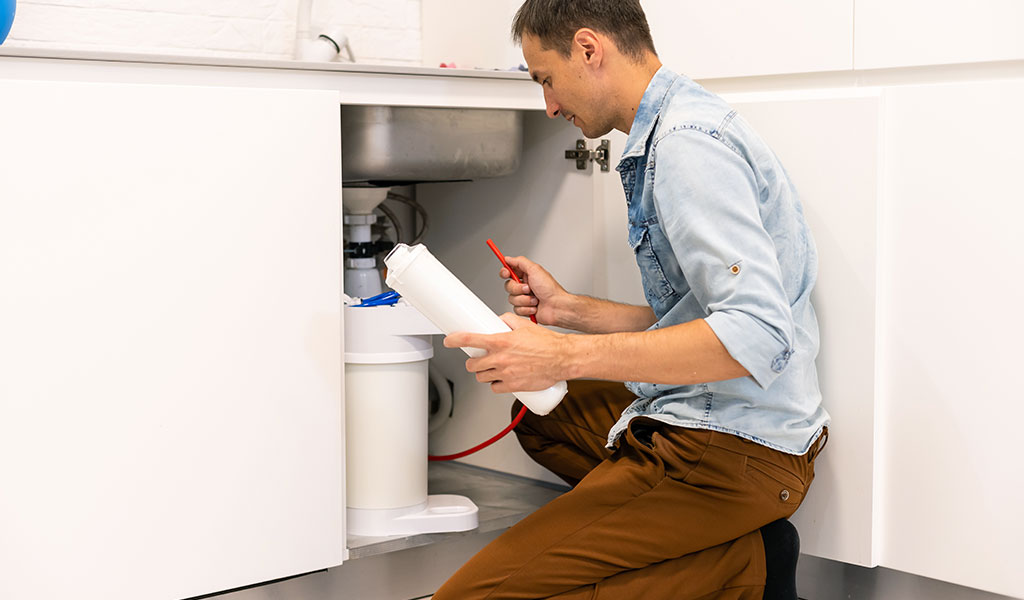
Identifying and sealing potential leaks with caulk and weather stripping is a cost-effective method to protect your home against cold winter air, thus improving its energy efficiency.
Regularly replacing worn-out weather stripping and maintaining these measures can help prepare your plumbing system for winter and extend the lifespan of your pipes.
However, even the most thorough preventative maintenance cannot prevent all possible issues. It’s advised to continually inspect your home during winter and be prepared to call in professionals if necessary.
3: Keep Cabinets Open
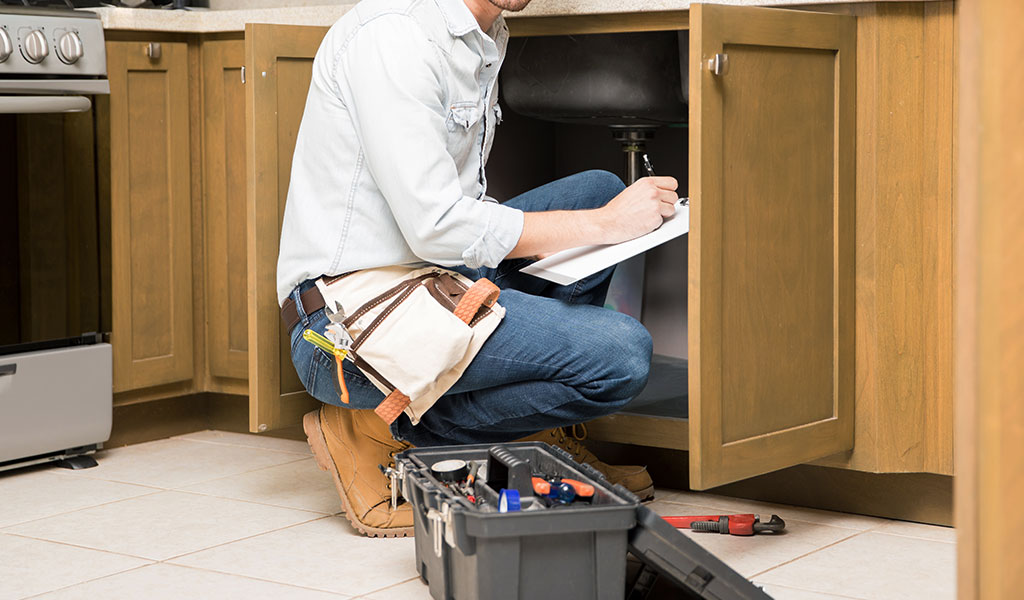
Keeping cabinets open can help maintain the warmth of pipes during cold weather by allowing heat to circulate freely. Warming traditionally colder areas, like attics, can also protect pipes against freezing temperatures.
Using foam/rubber outlet gaskets and installing storm windows are effective methods for maintaining room temperature and preventing drafts.
It’s crucial to pay particular attention to exterior walls, attics, and basements when weatherproofing as they’re often the most vulnerable areas. High water pressure may lead to pipe bursts; detecting this issue with simple tools will be discussed later.
4: Let Faucets Drip
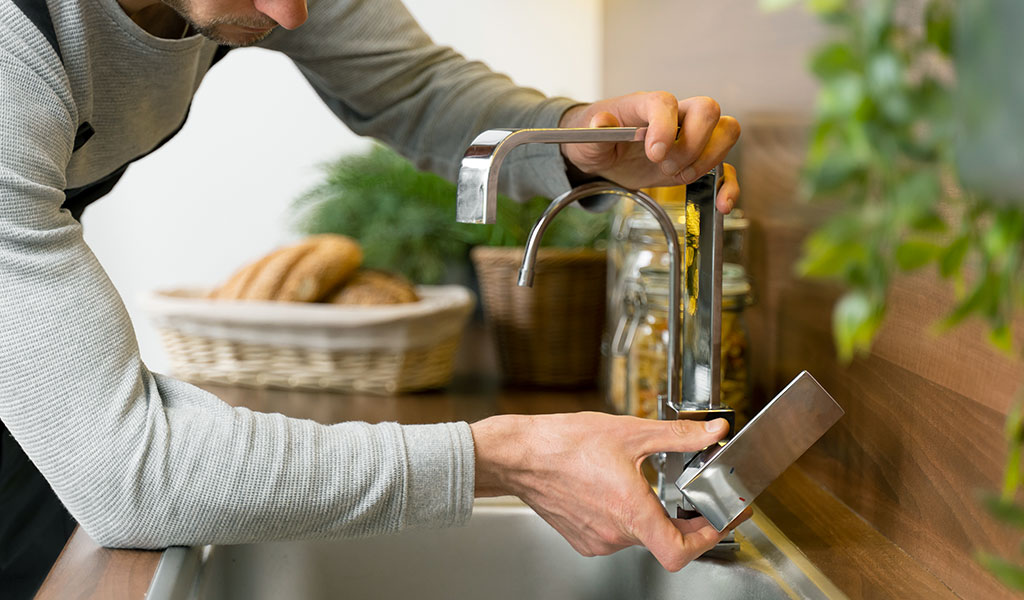
Winterizing your plumbing system can save on costly repairs. With dropping temperatures, water in pipes can freeze and expand, leading to burst pipes and severe water damage. A simple solution is to let faucets drip lightly to alleviate pressure.
However, regular maintenance and inspections are crucial, especially in vulnerable areas like the attic, basement, exterior walls, windows and doors.
The lifespan of your pipes also matters; they typically last between 20-100 years depending on the material used.
Insulation efforts such as keeping cabinet doors open for warmer pipes or insulating windows and outlets can help keep a home warm and protect against freezing conditions.
5: Maintain Heating System
Perhaps overlooked, maintaining a heating system is a crucial aspect of green winterization. An efficient system doesn’t just keep your home warm; it significantly saves energy and reduces bills.
Two essential steps to ensure your heating system’s soundness include scheduling a furnace inspection and regularly replacing the filters.
Schedule a Furnace Inspection
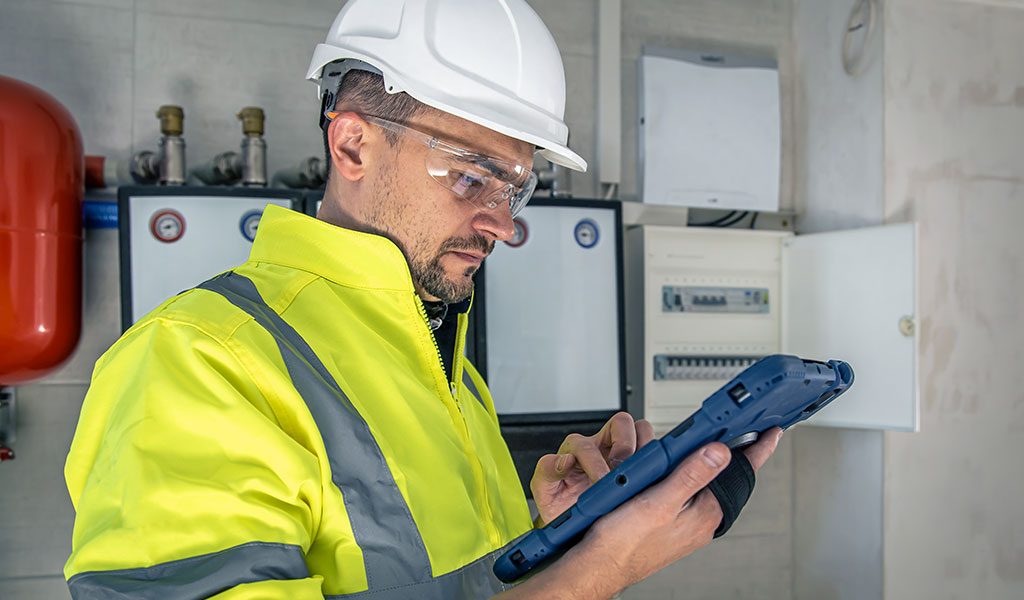
Ensuring that your furnace is in optimum condition prior to the onset of winter is essential to maintaining a warm and energy-efficient home.
Regular furnace inspections help identify and rectify potential issues before they escalate, ensuring your furnace works efficiently, saving both energy and money. It’s best to call a professional for this task, especially ahead of the winter season.
Replace Filters Regularly
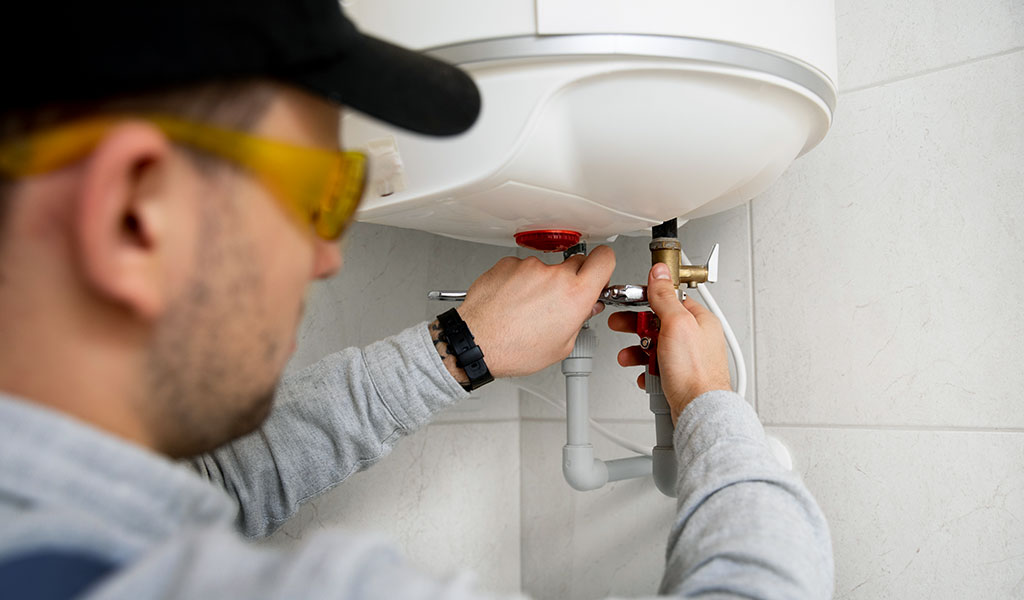
Maintaining a good heating system involves regularly replacing its filters, which improves air quality and energy efficiency for increased comfort during winter.
Regularly changing the direction of ceiling fans can enhance energy efficiency by redistributing warm air, reducing heating needs.
Using a programmable thermostat can also help maintain desired temperatures without overworking the heating system, thus saving on energy bills.
6: Drain Outdoor Faucets
Draining outdoor faucets can be a key step in preparing your home for winter. This simple yet crucial action can help prevent frozen pipes and expensive repairs. Undrained water in pipes can freeze, which can increase pressure within the pipe, leading to cracks and leaks.
Disconnect Hoses
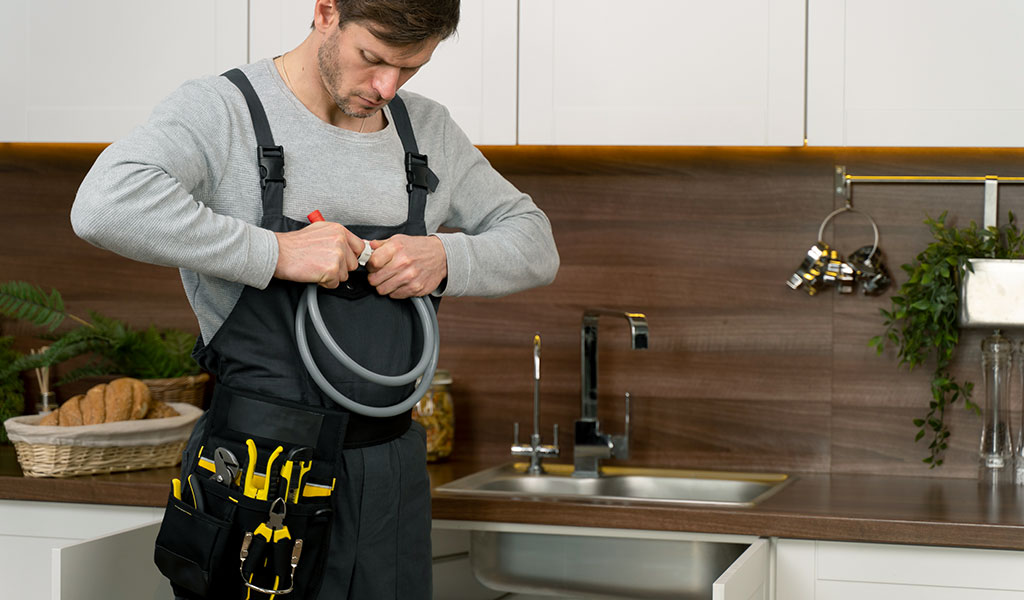
Disconnecting hoses is a crucial step in winterizing your home’s plumbing, which homeowners often overlook.
Neglecting this can lead to hoses freezing and causing ice buildup in the pipes, increasing the risk of pipe bursts.
Similarly, it’s important to winterize your sprinkler system to prevent damage and prolong its lifespan, saving you from unexpected maintenance costs.
Install Faucet Covers
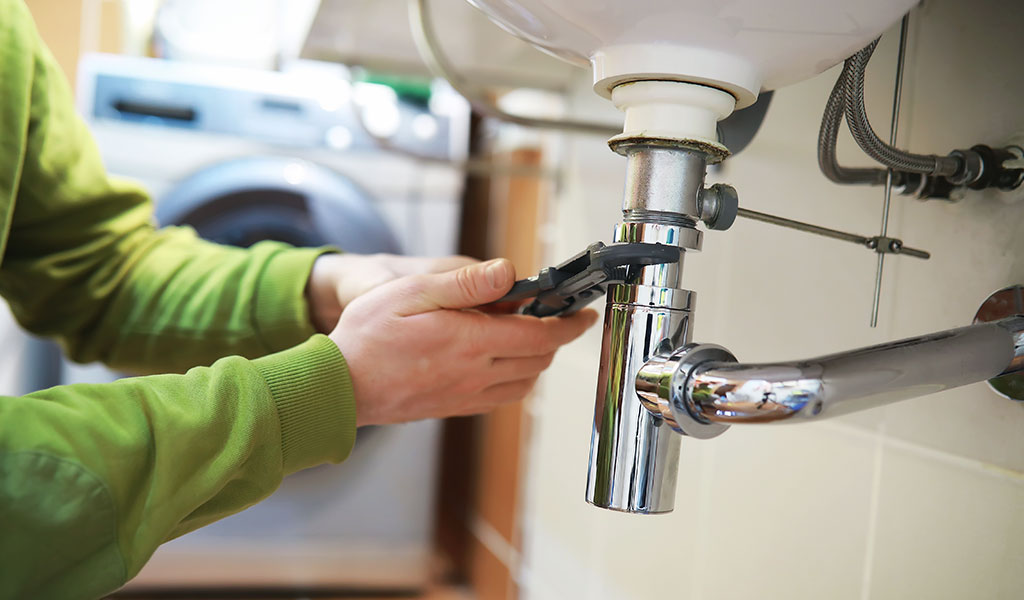
Outdoor faucet covers are a simple and affordable way to protect against freezing pipes in harsh winter weather.
They also save energy by reducing the amount of cold air entering your home through these faucets.
Familiarity with your home’s water shutoff valve is also beneficial, as turning off the water supply can prevent flooding and costly restoration work in case a pipe breaks due to cold. The next topic will focus on protecting your pipes.
7: Monitor Your Thermostat
Regulating your thermostat isn’t just about staying cozy. Proper thermostat management plays a vital role in winterizing your home’s plumbing system.
During winter months, dropping temperatures can wreak havoc on your pipes, potentially leading to costly repairs or replacements. Let’s talk about temperature settings and scheduling for optimal thermostat management.
Set Lower Temperatures
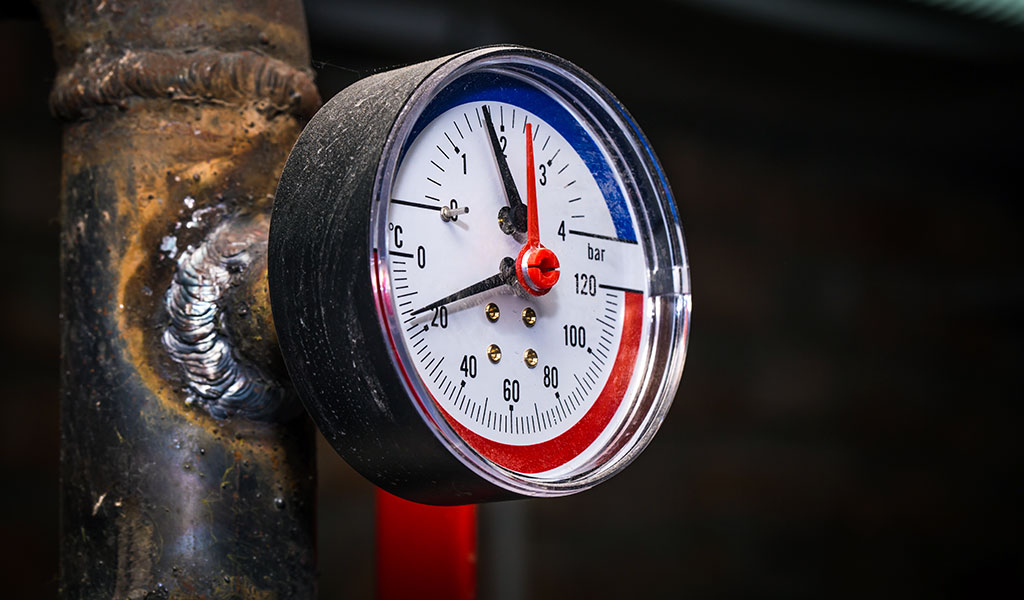
The belief that increasing the thermostat temperature can prevent pipe damage in winter is incorrect and may lead to higher power bills without benefiting pipes.
It’s suggested to maintain a consistent temperature, preferably around 68 degrees Fahrenheit, even when not at home. This consistency avoids sudden temperature drops that could freeze or crack pipes.
Program a Schedule
A programmable thermostat is a useful tool for winterizing your home, offering convenience and potential savings on heating bills.
By lowering the temperature during inactive hours, energy conservation can be achieved without risking harm to plumbing systems.
For example, reducing the heat by 10 degrees at night or when you’re away and increasing it an hour before waking up or returning home ensures comfort, energy efficiency, and pipe protection. These strategies are part of a broader plan to safeguard your home during harsh winters.
8: Protect Exposed Pipes
It’s essential to take extra care for the pipes that are exposed to cold air, especially those in unheated areas of our home. This is because freezing temperatures can cause the water inside these pipes to freeze, leading to expansion and, in the worst-case scenario, pipe rupture.
Use Heat Tape
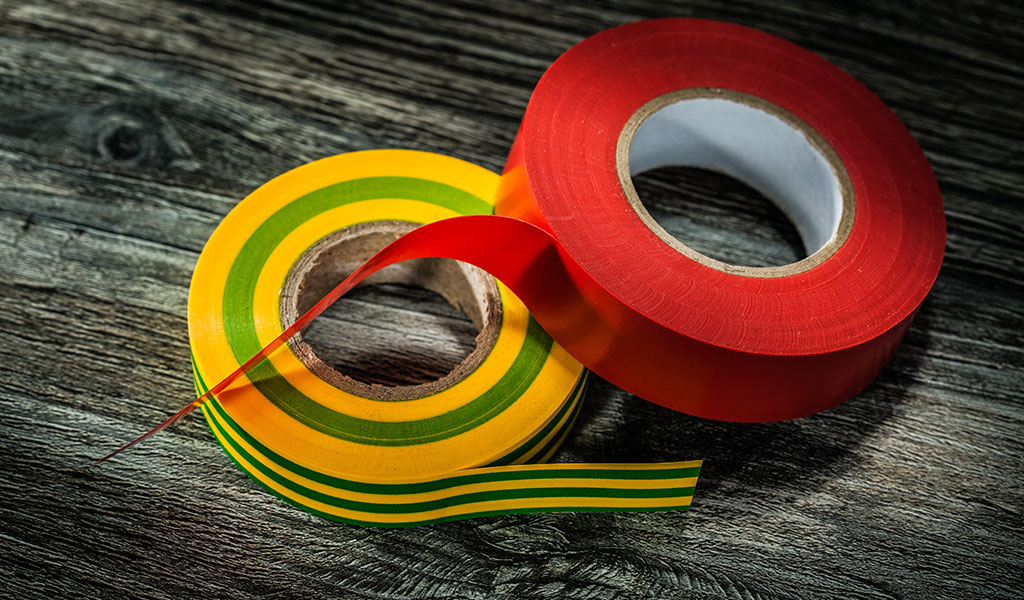
One effective strategy, particularly for those winter days when temperatures take a deep plunge below freezing, is using heat tape.
Heat tape is an electrical device which, when wrapped around the pipes, maintains a minimum temperature, thus preventing the freezing of water inside the pipes. It’s a do-it-yourself activity that can be done with little skill.
Yet, it comes with a word of caution. Remember, it’s an electrical device, so make sure that it is installed correctly and safely according to the manufacturer’s instructions to avoid any electrical mishaps.
Bundle Up Pipes
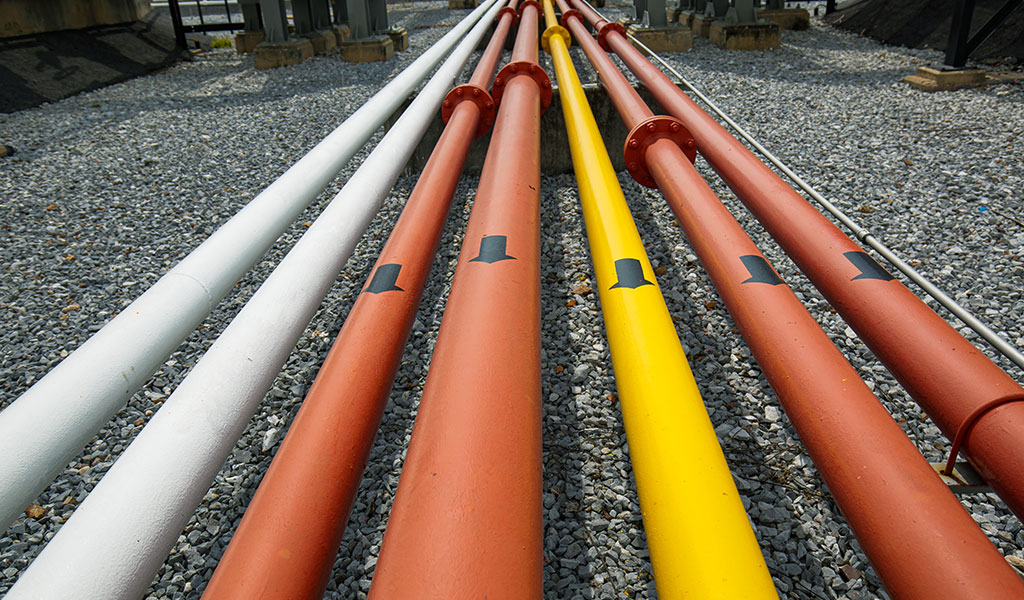
Insulating your pipes is a simple and effective way to protect them from freezing temperatures. This method involves wrapping materials like foam sleeves or tubes around the pipes, which slows heat loss and keeps them warm longer.
It is especially useful for pipes in colder areas such as basements, attics, or garages. Insulation not only aids in enduring winter conditions but also saves on energy bills and potential repair costs resulting from burst pipes due to water damage which can range between $5,000 and $70,000.
| Cost Factor | Average Cost |
|---|---|
| Water Damage Repair | 5000-70000 USD |
These practices may take a little effort and time, but remember, it’s always better to be proactive than reactive when it comes to our pipes and plumping during the cold months.
9: Be Mindful of Drains
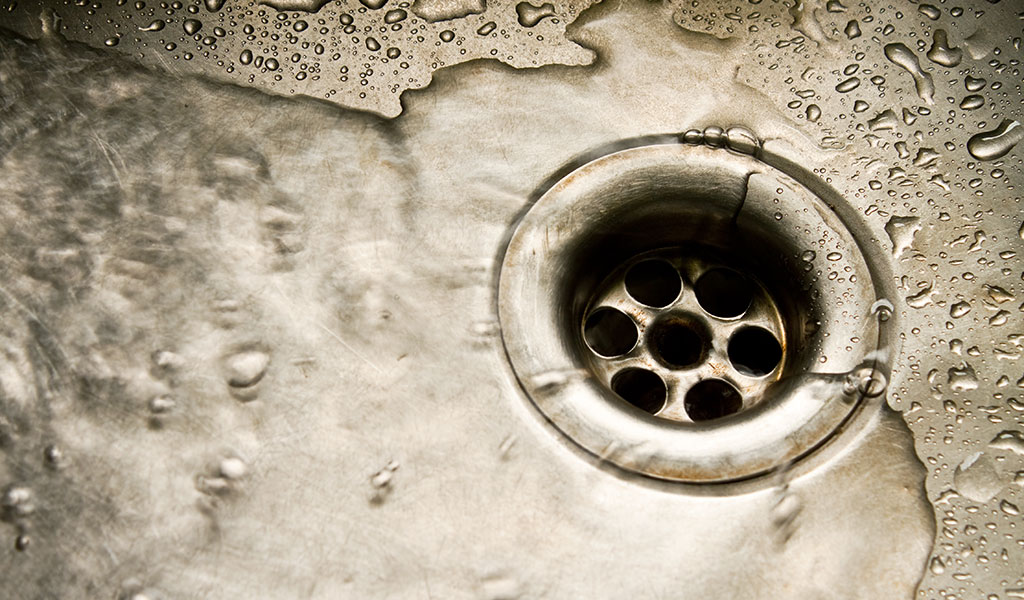
The text emphasizes the importance of understanding and maintaining your home’s drainage system, especially during winter.
It mentions that plumbing pipes have a lifespan between 20 to 100 years, depending on several factors including material type, installation quality, and water composition.
The article is set to provide more detailed information about the expected lifespan of different types of pipes.
| Pipe Type | Average Lifespan (years) |
|---|---|
| Brass supply lines | 40-70 |
| Cast Iron drain pipes | Up to 100 |
| Copper supply pipes | 50 |
| Galvanized steel supply pipes | 20-50 |
| PEX supply lines | 30-40 |
| PVC lines | 50-80 |
Knowing how long your pipes have been in service and their material can help you identify the ones potentially at risk and require replacement before winter strikes. Furthermore, be wary of noisy pipes.
The sudden stoppage of rushing water can trigger pipe vibration within the walls, causing damage over time. If you notice such issues, don’t hesitate to call a professional plumber to nip the problem in the bud.
10: Plan Ahead for Vacations
The text emphasizes the importance of preparing your home’s plumbing system before going on a long winter vacation to prevent costly damages.
Key steps include shutting down and draining the water heater to save energy and avoid pipes freezing, maintaining indoor temperature above 55°F, shutting off the main water supply while draining existing water from pipes.
Inspecting areas like attics, basements and windows for drafts that can be sealed to reduce heat loss. The article ends by highlighting the benefits of preventing problems through proper planning.
Frequently Asked Questions
Which house pipes are most likely to freeze?
Pipes in unheated interior spaces like basements, attics, and garages are most at risk of freezing. Pipes running through cabinets or exterior walls can also freeze. Proactive measures can help keep your water running and your house dry.
Is it safe to put antifreeze in pipes?
Depends on the type of antifreeze and the pipes. Drain pipes and P traps can use any type of antifreeze as it’s going to the sewer or the septic tank. While car antifreeze is poisonous, small amounts in a large septic tank won’t be a concern.
How do I prepare my plumbing for winter?
Seal all foundation vents, insulate pipes in unheated areas like attics, crawl spaces, and basements. If you’re away for several days, keep your furnace on a low setting. This may not prevent freezing pipes, but it can help.
Does wrapping pipes keep them from freezing?
Yes. Insulate pipes in the attic and crawl space using pipe insulation, even in warmer climates. You can also wrap pipes in heat tape or heat cables with a thermostat control to prevent freezing.
What can I put on my pipes so they don’t freeze?
You can wrap pipes with heat tape or thermostatically controlled heat cables. Ensure you follow all manufacturers’ installation and operation instructions. Also, seal leaks that allow cold air inside near where pipes are located with caulk or insulation.
Conclusion
Winterizing your plumbing can save you from a world of hassle and high repair costs. By being proactive, you’ll be one step ahead of the winter chill.
Don’t forget to turn off and drain your water heater if you’re planning a trip. Keep your home cozy and warm, above 55°F, and remember to shut off your main water supply when you’re out.
A quick check for drafts in your attic, basement, and windows can also prevent heat loss and keep your pipes from freezing. It’s all about planning and preparation. Here’s to a winter free of plumbing worries!

