Imagine your washing machine, not as a drain on resources, but as an opportunity for sustainable living.
Laundry, with its hefty environmental price tag, doesn’t have to be a threat to our planet. With a few tweaks to your routine, you can transform your laundry process into a green machine.
You might be surprised at how simple it can be to make significant changes. From the detergents you use to the way you dry your clothes, every step offers a chance for eco-friendly alternatives.
Read on to discover nine tips for greening your washing machine, and start your journey towards a more sustainable lifestyle today.

1: Use Cold Water
Cold water is the secret weapon to greening your washing machine, and here’s why: Most of the energy you consume in the laundry room goes towards warming up water.
Your washing machine can work just as effectively with cold water, and, by switching to a more environmentally friendly cold water setting, you could carve a sizable chunk off your home’s carbon footprint.
Adjust the Water Temperature Setting
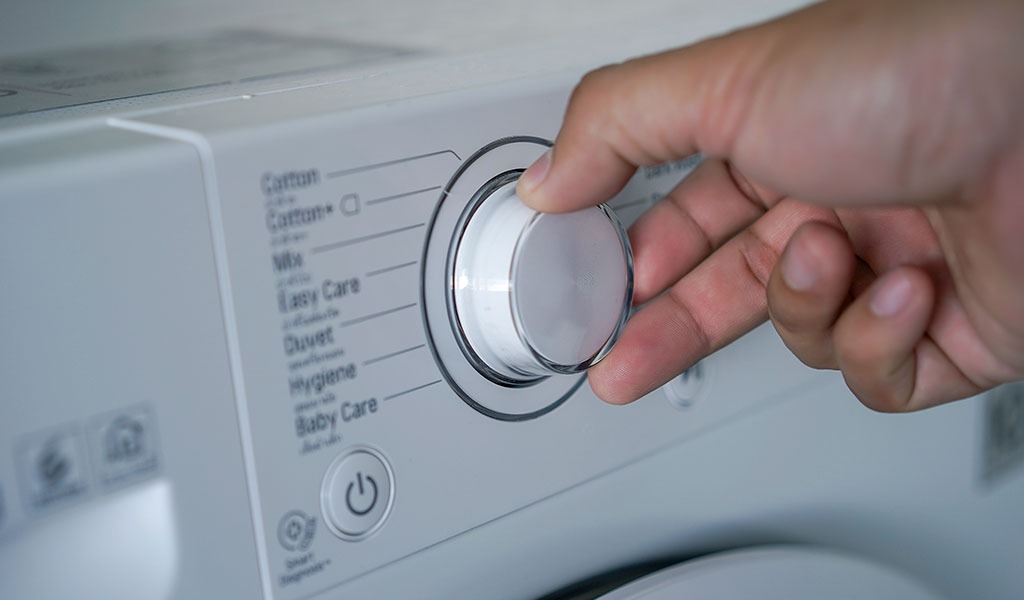
The initial step to make your laundry routine more environmentally friendly is to adjust the water temperature on your washing machine to cold. This easy change, which most modern machines are designed for, can significantly contribute to a more sustainable lifestyle.
Use Cold-Water Detergent

Using cold water detergents can maximize the benefits of cold water washing, as they dissolve completely in cold water and effectively clean your clothes while keeping your machine running efficiently.
Even without a special detergent, regular hot water detergent can work for some cold water washing tasks. These small changes to your laundry routine can significantly reduce electricity consumption, helping both the environment and lowering energy bills.
The use of cold water is a simple way to contribute to environmental preservation from home, starting in your laundry room.
2: Wash Full Loads
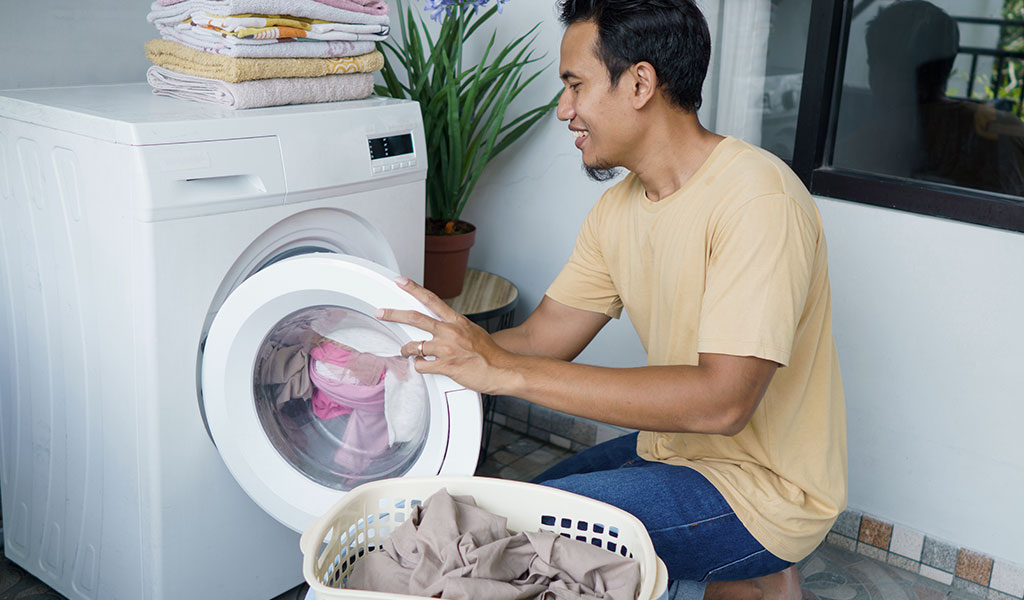
In the pursuit of sustainability, washing full loads becomes a significant factor. You’d be surprised to know that your washing machine uses the same amount of energy to wash a full load as it does a half load.
Thus, maximizing your load lets you wash more clothes at once and creates an opportunity to use your washer less often. Remember, though, not to overload your machine as it can affect its performance and longevity.
Besides, consider the appropriate water level for your load size. Using excess water wastes energy while too little can compromise the wash quality.
If your washing machine doesn’t have load-sensing technology, you’d want to adjust the water level manually. The golden rule is to have just enough water to cover the clothes—no more, no less.
In terms of power consumption, a typical washing machine uses between 500 to 2500 watts per cycle, with an average of around 1000 watts. A machine used thrice weekly can amount to a yearly consumption of about 150 kWh of electricity.
Consequently, being mindful of your laundry habits can help save both energy and money. Be sure to adjust settings as needed to suit different wash load sizes.
3: Choose Energy-Efficient Models

Energy-efficient models consume significantly less power, a key consideration when you’re aiming for greener laundry practices.
These models use a mere 150-500 watts per cycle with the average washing machine consuming around 1000 watts per cycle.
To put things into perspective, envision running your washing machine three times a week. That’s an astounding 150 kWh of electricity used in a year! Savvy?
Now you know how energy consumption x washing frequency directly adds up to your annual utility bill. Shifting to energy-efficient models can dramatically trim down that number.
Besides, it’s no secret that most washing machines are designed to operate on a 120-volt, 15-amp circuit. This translates to a max power consumption of 1800 watts.
But remember, newer, eco-friendly variants consume only 150-500 watts per cycle. That’s a promising downscale right there.
Your step towards sustainable laundry practices begins here: Efficient appliances = less energy squandered.
Stay tuned to hear more about sustainable practices! Do you think opting for energy-efficient models is totally worth the shift?
4: Opt for a Front-Loader
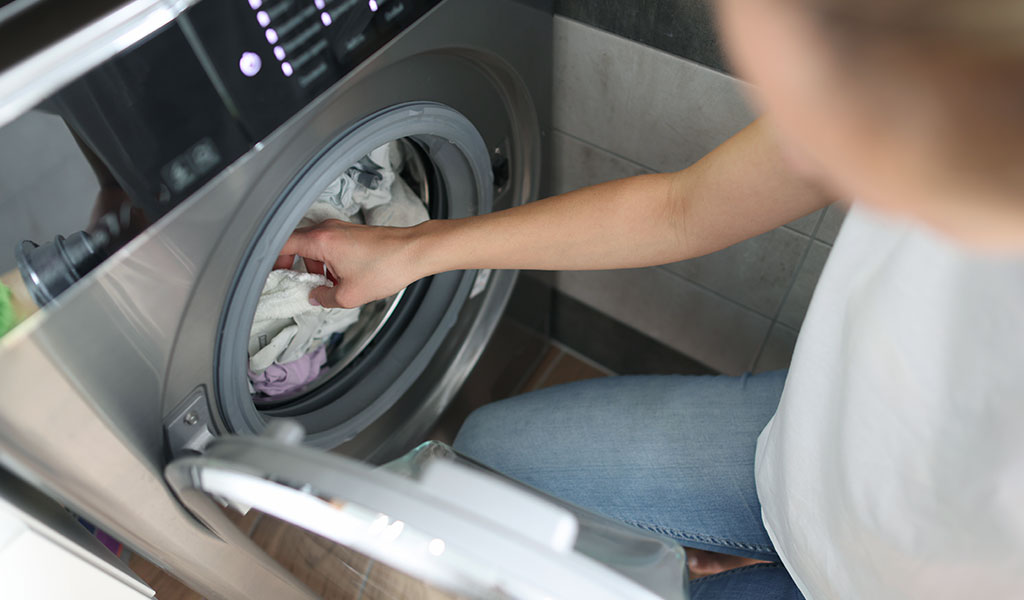
Transitioning to front-loader washing machines is the next big step towards a sustainable laundry routine. With their energy-efficient technology, these models consume significantly less power than typical top-loaders.
Front-loaders use gravity to tumble clothes back into the water, essentially eliminating the need for an agitator. As a result, they consume less water and power per cycle.
This is not just a step towards eco-friendly practices; you’ll also see a substantial decrease on your electricity bills. So, with a front-loader, you’re not only saving the planet but also your wallet.
While front-loaders tend to have a slightly higher initial cost, the money you’ll save from lower utility bills is more than likely to offset this in the long run. So go ahead, make your washing routine greener and cheaper. Choose a front-loader.
5: Use Eco-Friendly Detergents

Perhaps one shift you’ve overlooked in pivoting towards eco-friendly laundry practices is the use of eco-friendly detergents.
We often disregard the kind of impact our detergent choice can have on the environment. Not all detergents are created equal, with many traditional ones carrying harmful chemicals that can pollute waterways.
Choosing an eco-friendly detergent does more than just protect the planet. You’re also safeguarding your health. Many eco-friendly detergents are free from synthetic fragrances and dyes, which can cause skin irritations.
6: Consider Line Drying

Sure, dryers are a lifesaver when you’re crunched for time but they’re also power hogs. Simply put, they’re big energy consumers. On the journey towards adopting sustainable laundry habits, it’s absolutely worthwhile to give air drying a shot.
Envision running a mobile clothesline or setting up a dedicated drying rack on that sun-kissed patio of yours. If you’re blessed to live where the sun beams aplenty, it’s the quickest way to have your clothes dried without burning a hole in your pocket energy-wise.
However, if air drying is off the table due to unforeseen circumstances, don’t fret! Opt for a heat pump dryer. Yes, it may seem pricey upfront, but it’ll surely prove a worthy investment by delivering energy-and-cost savings down the line. Now, isn’t that a win-win situation?
7: Clean Your Machine Regularly
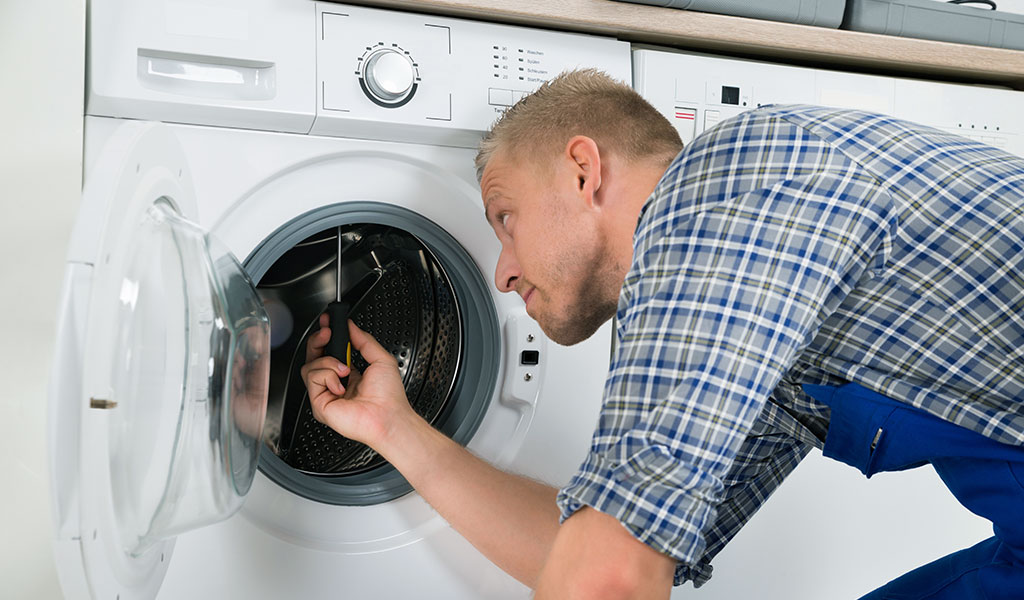
Your washing machine and dryer are often overlooked in your cleaning routine. Working tirelessly to scrub your fabrics, it’s easy to forget that these machines need a thorough cleaning themselves to stay in top shape.
A buildup of detritus – including detergents, dirt, minerals, and molds – could potentially lower productivity and create an unsafe environment. You wouldn’t want these unwelcome substances on your clothes, would you?
Regular cleaning of your appliances ensures their high performance for extended periods and an improved air quality. Specifically for properties in the hospitality sector, the upkeep of these appliances is imperative.
A well-maintained machine not only extends the lifespan of your fabrics but also ensures a cleaner, healthier environment for guests, staff, and everyone involved.
So, pay attention to your washers and dryers. Dedicate some time to cleanse and detoxify them and reap the benefits of improved longevity and productivity.
8: Make use of Soil Level Settings

Understanding and utilizing the soil level settings on your washing machine can make a world of difference. It lets you adjust the water level and washing time according to the amount of dirt on your clothes.
Using this setting wisely can improve the machine’s efficiency while being kind to the environment – a perfect example of where doing less means achieving more.
If your clothes aren’t that dirty, selecting a lower soil level reduces water consumption and uses less energy for the wash cycle.
On the flip side, heavily soiled clothes may require a higher soil level setting. Selecting the right option not only ensures thorough cleansing but also saves resources and preserves fabrics longer.
Get familiar with your machine’s settings: tweak, test, and see what works best. Remember, every wash needn’t be a heavy-duty one.
9: Use Shorter Wash Cycles

Optimizing the wash cycle of your washing machine is a game-changer in reducing energy consumption.
If your washer has an eco mode, don’t miss utilizing it. These modes are ingeniously engineered to curb energy usage by tailoring the washing cycle.
The heart of eco modes is its special feature of washing clothes at a cooler temperature as compared to standard cycles. This adjustment alone can effectively save up to 50% of the energy in a routine wash.
Your eco mode also takes advantage of shorter cycle durations. Does this swap save the planet? You bet. In fact, it limits the operational time of your machine, saving more energy by trimming down unwanted pauses or agitation.
These shorter wash cycles don’t just optimize time and energy; they’re also phenomenal water savers.
By strategically determining the load size and reducing the number of rinse cycles, eco mode ensures your machine uses resources wisely without compromising washing performance.
Lastly, remember to select a high spin speed. It’s an effective way to get rid of excess water from your clothes, conserving energy while drying. But be careful with those delicate fabrics – a little gentleness will keep them intact.
10. Upgrade Your Old Washing Machine

Stepping up your laundry game doesn’t have to be a hassle. Remember, it’s all about making smart choices. Regular maintenance keeps your machines running smoothly, and using the right settings ensures you’re washing efficiently.
Shorter wash cycles and high spin speeds can significantly cut down on energy and water usage. But don’t forget to be kind to your clothes – delicate fabrics need a gentler touch.
Here’s the final tip: consider upgrading your old washing machine. If it’s been a while since you got your current model, you might be surprised at the advancements in green technology.
Newer models offer more eco-friendly features, and they’re designed to be more efficient overall. So, take the leap and start shopping for a greener washing machine today. You’ll be doing your part for the environment, and your clothes will thank you too.
Frequently Asked Questions
Why should I regularly clean my washing machine and dryer?
Regular cleaning of your appliances helps prevent issues caused by detergent buildup, dirt, minerals, and molds. It can extend the lifespan of your fabrics and create a cleaner environment, making it particularly beneficial in hospitality settings.
What is the role of soil level settings in washing machines?
Soil level settings help you adjust water levels and washing times based on how dirty your clothing is. This promotes improved efficiency and is more environmentally friendly.
How can using eco modes help in my washing process?
Eco modes in washing machines operate at cooler temperatures and can help reduce energy consumption by up to 50%. They are not only time-saving and water-efficient but are also gentle on fabrics.
Why choose a high spin speed in the washing process?
Selecting a high spin speed can aid in removing water more efficiently during the washing process. However, be cautious with delicate fabrics to maintain their integrity.
What precautions should be taken while using eco modes?
While eco modes can save energy, they do operate at lower temperatures and therefore may require more time to effectively clean your clothes. You might need to run longer cycles to remove stains.

