Hey there, friend! I hear you’re looking to greenify your home, and that’s just awesome. Don’t forget to think about your lighting too; it’s a game-changer for both Mother Earth and your energy bills. Let’s chat about how you can brighten up your world in a more eco-friendly way.
Here’s an easy first step: switch out those old bulbs for LEDs. Not only are they super chill in terms of energy use (up to 80% less than regular incandescent bulbs), but they also last 25 times longer!
That’s not just good news for our lovely planet; it’s also a win for your wallet! And don’t worry about the fit; these little guys come in all shapes and sizes ready to slide right into any fixture you have.
Next, let’s embrace that glorious natural light as much as we can. It’ll help save electricity during the day while creating a cozy atmosphere throughout your home.
There are loads of creative ways to pull more sunlight into your space, from smart window spots to shiny surfaces that reflect light around the room. So go ahead and let the sun shine in!

Benefits of Eco-Friendly Lighting
Lighting up your home can be done in numerous ways, but have you ever considered the eco-friendly route? There’s a host of benefits to embrace when it comes to green lighting solutions. Let’s delve into these advantages.
Reduced Environmental Impact
One of the key perks is the reduced environmental impact. Traditional incandescent bulbs produce a lot of CO2 emissions. On the other hand, LED lights emit almost 80% less CO2 compared to traditional light bulbs over their lifetime. That means you’re contributing positively towards slowing down global warming.
Energy Efficiency
You’ll also find that eco-friendly lights are incredibly energy efficient. In fact, LEDs use 75% less energy than incandescent lighting! Imagine how much electricity you could save by switching all your lights to LEDs.
Longevity
Another great advantage is longevity. Eco-friendly light bulbs last far longer than their conventional counterparts – sometimes up to 25 times longer! You won’t need to change them as often, which saves both time and money.
Cost Savings
Speaking of savings, let’s talk about cost-effectiveness. While eco-friendly light bulbs might cost more upfront, they pay for themselves over time through lower electricity bills and fewer replacements needed.
Non-Toxicity
Eco-friendly lights don’t contain any harmful substances like mercury, found in many traditional light sources. This makes them safer for both your family and the environment.
Renewable Power
When combined with renewable power sources such as solar or wind energy, eco-friendly lighting becomes even more beneficial for our planet. It’s a way of reducing our carbon footprint while still enjoying modern comforts at home.
Better Light Distribution
Eco-friendly lights also provide better light distribution compared to traditional fixtures—less glare and shadows mean a smoother lighting experience overall!
Reduced Maintenance Costs
Lastly, since these types of lights last longer and break down less often, you’ll spend less on maintenance costs. It’s all about making smart choices that benefit both your wallet and the world we live in.
By applying these eco-friendly lighting tips to your home, you’re not only creating a healthier living environment for yourself and your loved ones but also doing your part in preserving our planet. Something as simple as changing a light bulb can truly make a world of difference!
Types of Eco-Friendly Light Bulbs
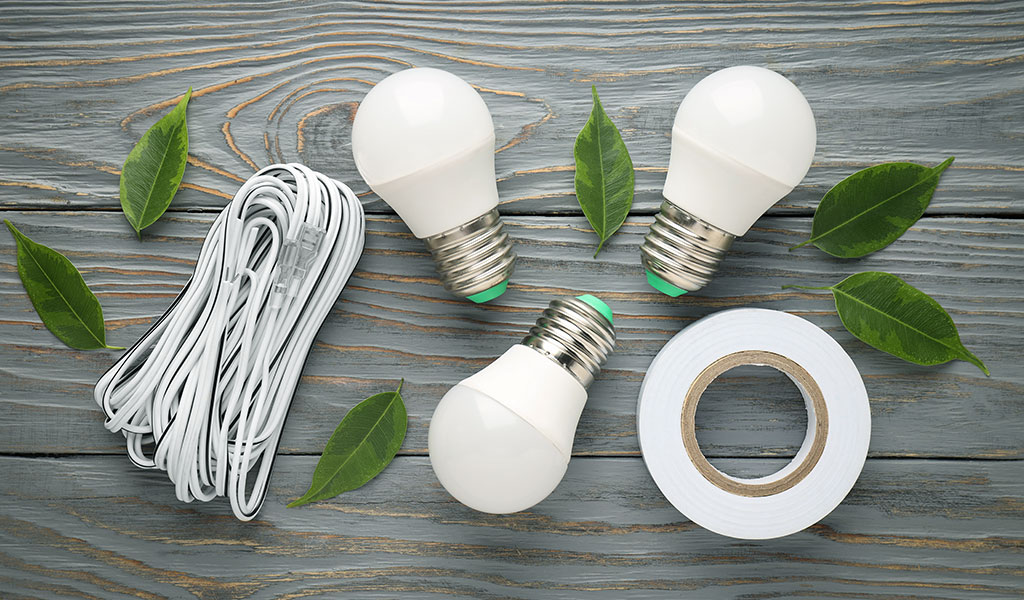
When it comes to lighting your home in a manner that’s both practical and environmentally friendly, two types of light bulbs stand out: LED and CFL.
LED Bulbs
You may have heard about the benefits of LED (Light Emitting Diodes) bulbs. They’ve gained popularity due to their energy efficiency and longevity.
Unlike conventional incandescent light bulbs, LEDs are designed to emit light for up to 50,000 hours – that’s nearly six years if you were to leave them on continuously!
LEDs consume less power per unit of light emitted, making them more efficient than many other types of lighting.
In fact, they use approximately 75% less energy than incandescent lighting and last 25 times longer according to the U.S Department of Energy.
Additionally, LEDs don’t contain mercury or lead which makes them an eco-friendly choice for your home.
CFL Bulbs
Another type of eco-friendly bulb you can consider is Compact Fluorescent Lamps (CFL). These bulbs work by driving an electric current through a tube containing argon and a small amount of mercury vapor. This generates ultraviolet light that quickly translates into visible light.
While not as energy-efficient as LEDs, CFLs still use about one-third the electricity consumed by incandescent bulbs.
Plus, they last ten times longer too! It’s worth mentioning though that while CFLs do contain a small amount of mercury – something LEDs don’t – proper disposal can mitigate environmental harm.
To give you an idea on how much you might save with these two types:
| Incandescent | CFL | LED | |
|---|---|---|---|
| Watts used for 800 Lumens output | 60 | 14-15 | 6-8 |
Swapping out just one incandescent bulb for either a CFL or an LED can make a significant impact on your energy consumption. So why not start making the switch today and illuminate your home in a more eco-friendly way?
7 Eco-Friendly Lighting Tips for Your Home
To make your home lighting more eco-friendly, here are 7 tips based on the information from the sources provided:
1. Switch to LED bulbs
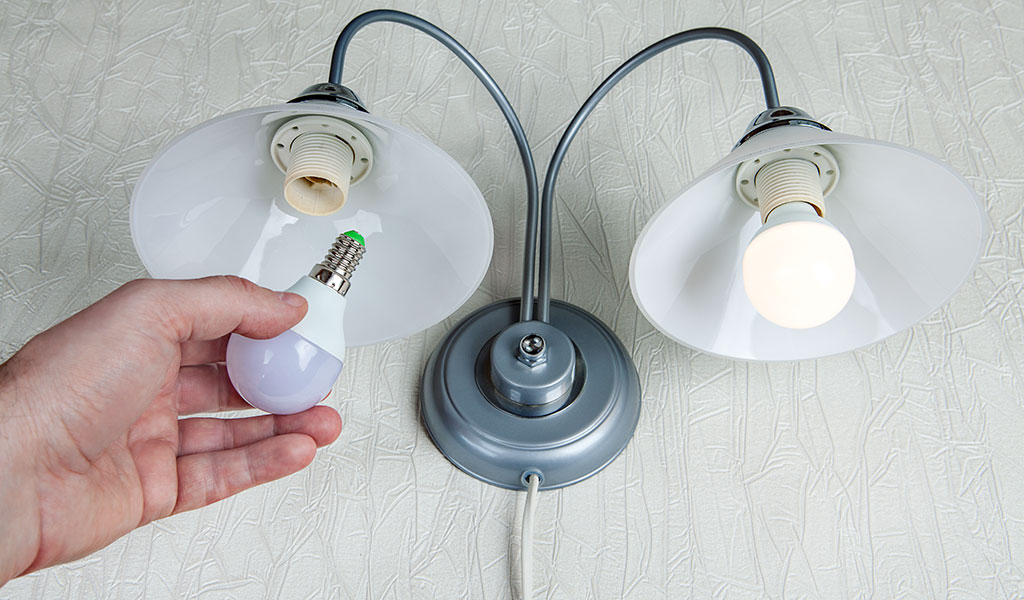
The first step in making your home lighting eco-friendly is as simple as switching to LED bulbs. They’re not just energy-efficient; they’re also a long-lasting solution that’ll save you money in the long run.
For instance, an average LED bulb can last up to 25,000 hours – that’s about 25 times longer than traditional light bulbs!
2. Keep Shades Open
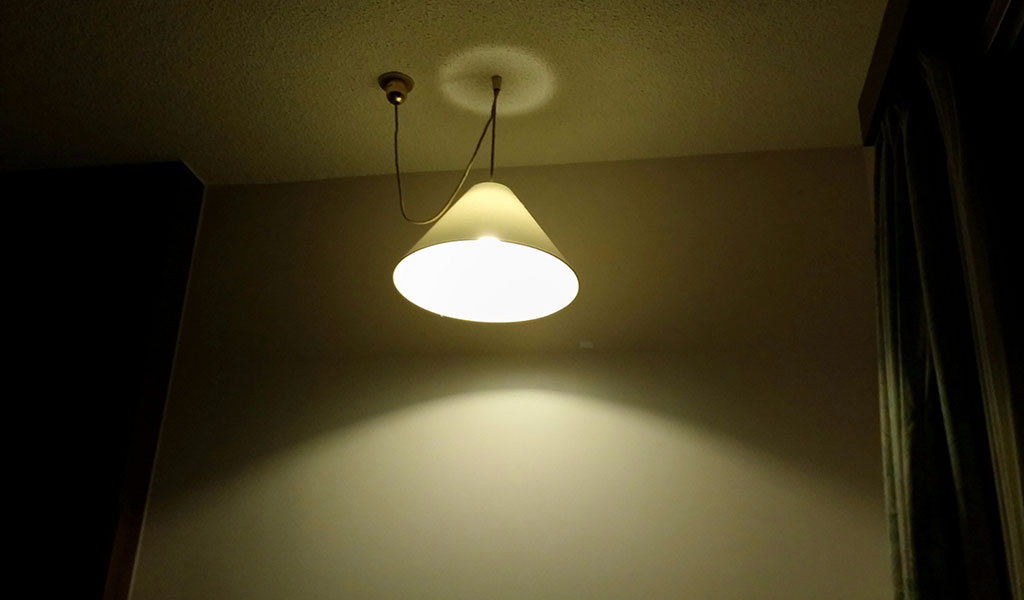
Maximizing natural light is another great way to reduce energy consumption and create an inviting atmosphere at home. By keeping shades open during the day, you’ll be able to enjoy the benefits of sunlight without flipping a switch.
3. Brighten the Walls
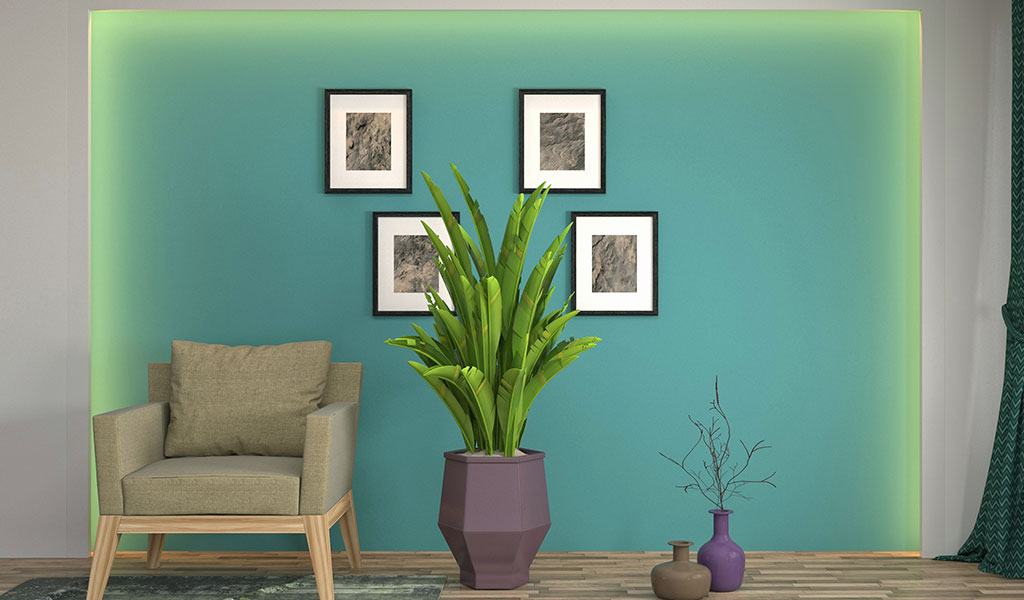
Believe it or not, wall color has a huge impact on lighting efficiency too! Lighter wall colors reflect more light, reducing the need for artificial illumination especially during daytime hours.
4. Use Task Lighting

Instead of illuminating an entire room, consider using task lighting for specific areas where needed like your reading nook or kitchen countertop. This targeted approach can significantly cut down your overall power usage.
5. Install Dimmers
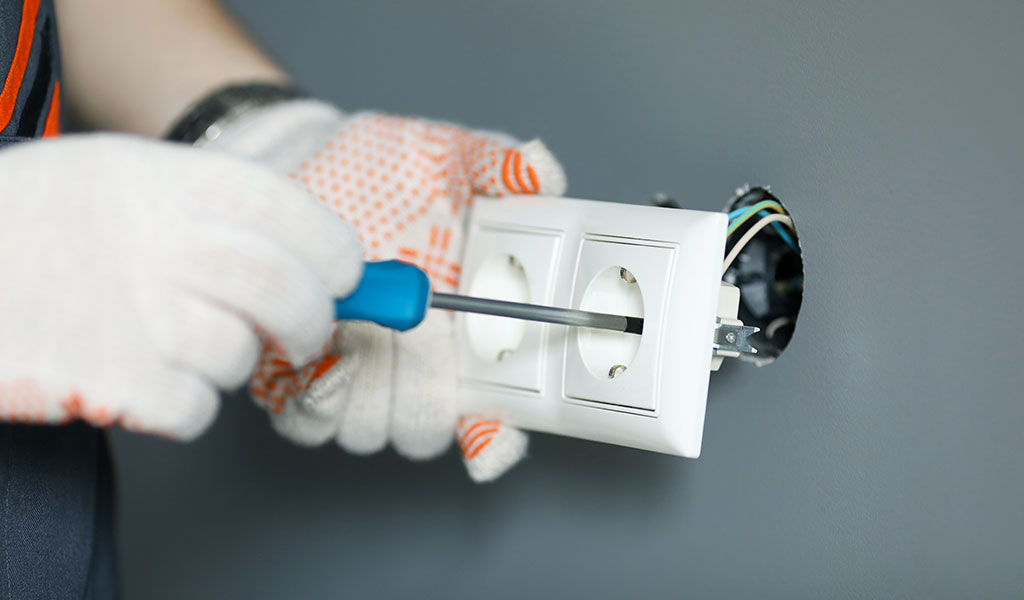
Having dimmer switches gives you control over your lights’ intensity which can help save electricity when full brightness isn’t needed – such as during dawn or dusk.
6. Use Motion Sensors

Motion sensors are perfect for rooms that aren’t constantly occupied like hallways and bathrooms. These clever devices ensure lights are only on when necessary, minimizing wasteful usage.
7. Use Recycled Fixtures
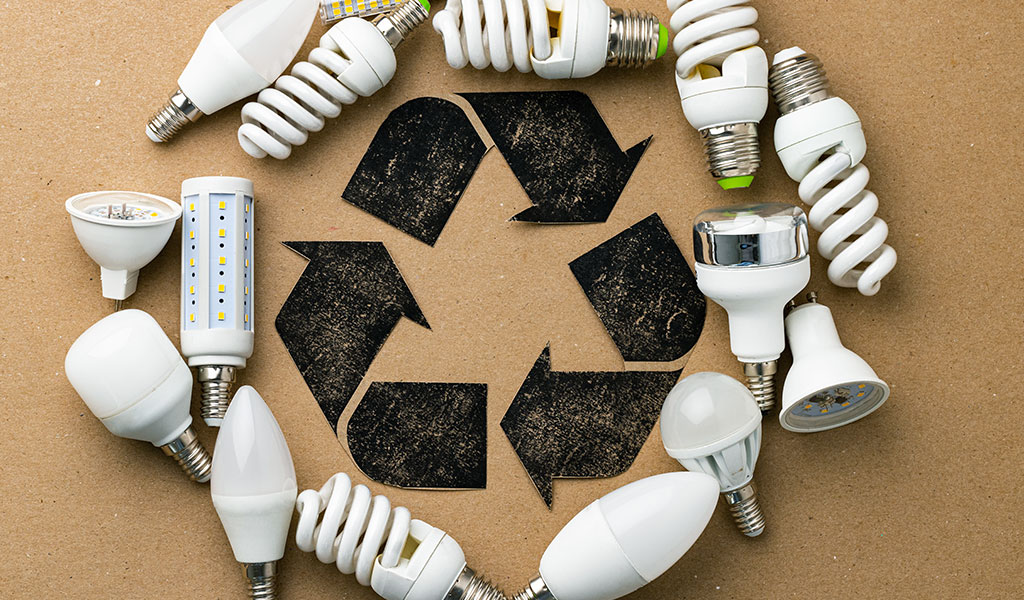
Finally, consider choosing recycled fixtures whenever possible to support sustainability efforts even further.
Remember: every little bit helps when it comes to saving our planet – and with these tips under your belt, you’re well on your way towards creating an eco-friendly oasis right at home!
Conclusion
Switching to eco-friendly lighting in your home isn’t just a trend—it’s a responsible and financially sound decision.
You’ve seen the numerous benefits: cutting down on electricity use, reducing energy costs, contributing to environmental sustainability. It’s clear that making this change can have a profound impact.
What’s more, it’s easier than you think. Replacing old bulbs with LED alternatives is as simple as unscrewing one bulb and screwing in another. Plus, these lights last longer so you won’t be replacing them nearly as often.
Consider installing dimmer switches too. They not only allow you to create an ambiance but also conserve energy by letting you adjust the brightness of your lights.
And don’t forget about natural light—it’s free! Maximizing its use can significantly reduce your reliance on artificial lighting during daylight hours.
Here are some key takeaways:
- LEDs are more efficient and longer-lasting than traditional bulbs.
- Dimmer switches save energy by allowing for adjustable brightness.
- Maximize natural light to cut down on daytime artificial lighting needs.
So why wait? Start incorporating these eco-friendly lighting tips into your home today—you’ll be doing both your wallet and the planet a favor.

