I’ve always believed that the choices we make in our homes can make a big difference to our planet. One such choice is opting for green furniture.
Not only does it reduce the harmful chemicals released into the environment, but it also helps in cutting down the astonishing 11 million tons of landfill waste contributed by non-recycled furniture in Europe alone every year.

Tip 1: Choose Sustainable Materials
Having sustainable furniture in your home not only improves indoor air quality but also reduces environmental impact. Both enhancements result from the same key principle: choice of materials.
Look for FSC-Certified Wood

FSC-certified wood, endorsed by the Forest Stewardship Council, is a sustainable choice for green furniture as it assures responsible forest management and minimal ecosystem harm
However, as FSC labeling isn’t universally used, consumers must actively seek information about the origin of their furniture’s wood to ensure they’re making eco-friendly choices that support fair trade and sustainability.
Opt for Bamboo or Cork

If wood isn’t your style or if you’re looking for alternatives to traditional timber, consider bamboo or cork. These materials are both highly sustainable and abundant, making them wise choices for the eco-minded homeowner.
Bamboo, a grass rather than a wood, grows amazingly quick (some species up to three feet a day) and reaches maturity within 3-5 years, far quicker than hardwood trees. This rapid growth makes bamboo a renewable and sustainable choice for furniture.
Cork, on the other hand, comes from the bark of the cork oak tree. Harvesting cork does not harm the tree as the bark regrows, making it a recyclable and reusable resource. In addition, cork production processes are eco-friendly, as everything from the tree gets used and nothing goes to waste.
Tip 2: Buy Vintage or Secondhand
After considering sustainable materials in the first tip, let’s shift our focus now to another environmentally-friendly option – buying vintage or secondhand furniture.
Not only will this promote recycling, but you’ll be adding a unique charm to your space. So get excited about the possibilities waiting at your local thrift store or online marketplaces.
Visit Thrift Stores and Garage Sales

Purchasing vintage furniture from thrift stores and garage sales can be an exciting and rewarding experience.
Not only does it provide the thrill of discovery, but it also promotes sustainability by extending the lifespan of these items and lessening demand for new products.
Creativity is encouraged during these hunts, as pieces that may not initially stand out could potentially become valuable additions to your home with slight modifications or refurbishing.
Check Online Marketplaces

Online marketplaces such as Facebook Marketplace, Craigslist, and EBay have made it easier to find secondhand furniture.
Patience is key in this process, as well as negotiation skills for better prices. Using these resources creatively can help make your home more eco-friendly and give it a timeless appeal that new furniture cannot provide.
Tip 3: Invest in Multi-Functional Pieces

One aspect of creating an eco-friendly home is maximizing space and resource usage. This is where multi-functional furniture comes in. These are pieces that serve multiple purposes, lessening the need for extra stuff in your home.
Consider investing in furniture like sleeper sofas, storage ottomans, or tables featuring drawers. These items not only save on space but also reduce the demand for new furniture, leading to a decrease in manufacturing and transportation emissions.
Let’s look at the benefits:
- Storage ottomans: they serve as seating, footrests, and storage units.
- Sleeper sofas: they double up as a bed and seating arrangement.
- Tables with built-in drawers: these can work as workspaces, dining areas, and storage.
Tip 4: Use Eco-Friendly Paints and Finishes
There’s no denying the impact of paint and finishes on the final look of your furniture. This elegance, however, should never be at the expense of the planet’s health, or yours. By choosing eco-friendly options, you’ll not only be enriching your interior decor but also lowering indoor air pollution and contributing positively to global sustainability efforts.
Look for Low or Zero VOC Paints

Volatile Organic Compounds, commonly known as VOCs, can be harmful to both human health and the environment. Unfortunately, many traditional paints contain high levels of VOCs, which are released into the air as the paint dries. These chemicals can trigger health issues like headaches, dizziness, and in further aggravated cases, even liver or kidney damage.
Low VOC and Zero VOC paints might be more expensive, but they guarantee reduced emissions and therefore, a healthier indoor environment. They’re not only more user-friendly but also safer for your health. When shopping for your next paint, look for labels indicating “Low VOC” or “Zero VOC”.
Choose Water-Based Finishes
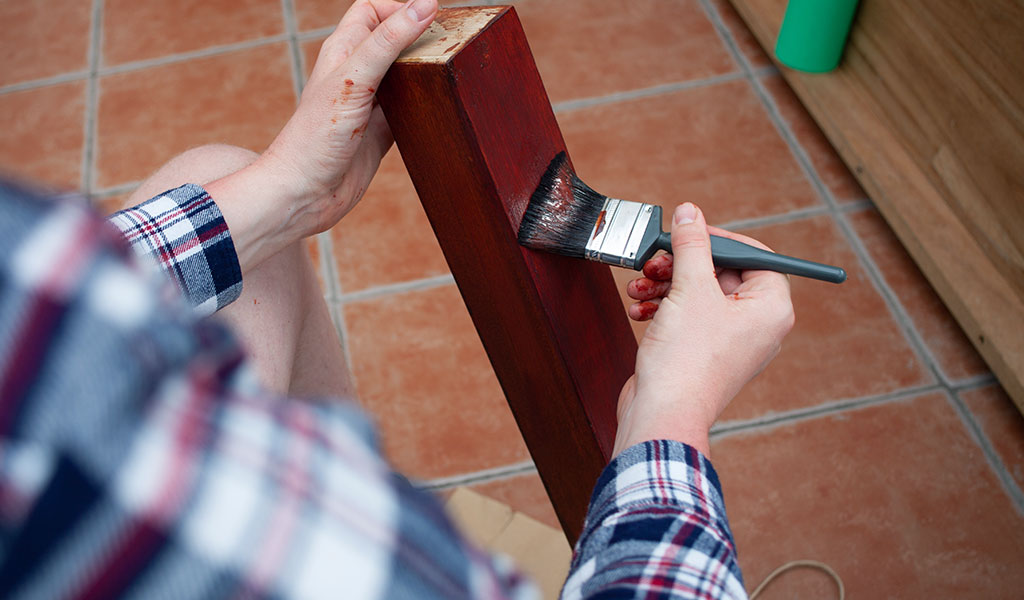
The importance of furniture finishes is often neglected despite their role in protecting surfaces and enhancing durability. However, traditional solvent-based finishes contain harmful chemicals that can release toxic gases into the environment.
A safer and more eco-friendly option is water-based finishes, which contain fewer harmful substances and emit less pollutants.
These are also easier to clean with lower odor levels. The decisions we make about paints and finishes have substantial effects on our environment and health, emphasizing the need for environmentally friendly choices in home furnishing enhancements.
Tip 5: Support Local and Artisanal Furniture Makers

Just as you’re discerning about what materials go into your decor, be selective about where it comes from. When choosing furniture, buying locally can be a game changer.
Not only are you supporting local businesses, but it also reduces transportation emissions. So, it’s another way of keeping your carbon footprint low.
Artisan-made furniture is also worth the investment. Crafted with care and skill, these pieces often have unique designs unmatched by mass-produced items. They usually last longer too, cutting down on the need for frequent replacements and waste.
When you pick artisanal, you’re choosing quality and sustainability over cheap, disposable furniture. Theme your home with these one-of-a-kind local creations for a truly personalized, green space.
Tip 6: Upcycle and Repurpose Old Furniture
For the craft-enthusiasts among us, reviving old furniture isn’t only a pastime, it’s an eco-friendly practice. An astonishing number of furnishings end up in the landfill, increasing pollution.
By engaging in do-it-yourself (DIY) projects, we can breathe new life into these items, redirecting them from trash to treasure.
DIY Furniture Makeover Ideas

In our journey to go green with furniture, the toolkit and can of paint can be our best friends. Salvaging sturdy pieces and giving them a fresh coat of paint or varnish can extend their life and proudly showcase their character.
An old table could become a classic, vintage centerpiece with a bit of sanding and staining. Repurposed dressers can turn into chic kitchen or bathroom cabinets.
Worn-out chairs find a new life with refurbished upholstery, perhaps choosing wool, cotton or down, which are less-toxic alternatives to synthetic foams laden with flame retardants.
Creative Ways to Reuse Furniture

The creative way of old furniture into unique and functional pieces. It suggests that with creativity and effort, an antique bathtub can become a sofa, stacked suitcases used as a side table, or an old wooden ladder turned into a bookshelf.
The benefits of this approach go beyond aesthetic appeal; it also helps save money, reduce energy consumption and pollution from manufacturing new goods.
Thus, upgrading or reusing furniture not only creates distinctive design pieces but also contributes to sustainability.
Tip 7: Use Natural Fibers for Upholstery
When considering a revamp or a complete makeover of your favorite furniture pieces, choosing the right fabric is equally important. I recommend turning to natural fibers when looking to upholster.
Not only do these materials add a touch of elegance, but they also contribute to an eco-friendlier lifestyle by minimizing the risk of chemical emissions.
Consider Organic Cotton or Linen
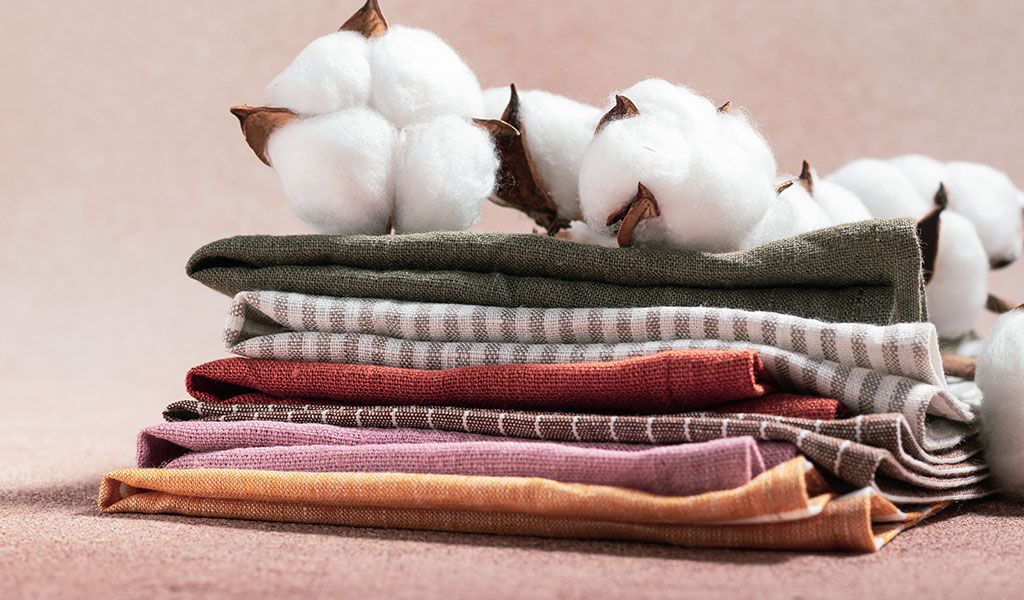
Organic cotton and linen are excellent choices for upholstery due to their environmentally friendly production process which avoids harmful pesticides and synthetic fertilizers.
Using these materials can revamp old furniture pieces, enhancing the aesthetic of your space while also promoting a healthier and more sustainable environment.
In addition to being eco-friendly, organic cotton and linen are also durable, making them ideal for upholstery that needs to withstand wear and tear.
Opt for Sustainable Wool or Jute
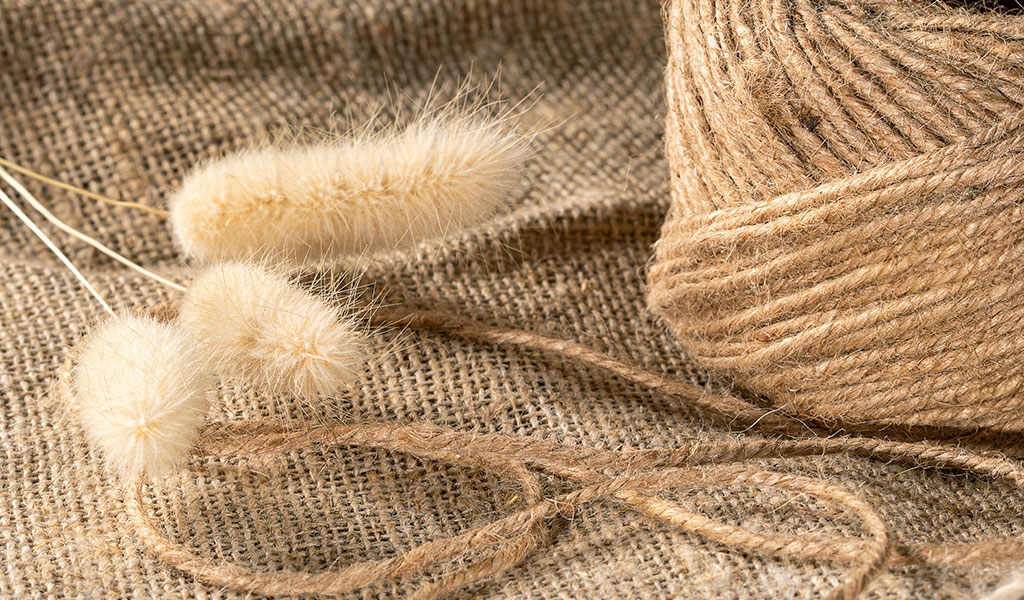
Wool and jute are recommended for furniture upholstery if you want a rustic, cozy look. Wool is naturally flame-retardant, meaning it doesn’t require additional harmful chemical treatments to be fire-resistant.
Jute’s natural fibers add a rustic charm and it is fully biodegradable, reducing environmental waste. Both wool and jute are resilient, durable, sustainable choices that can enhance your home’s interior while minimizing environmental impact.
Choosing organic and sustainable materials for refurbishing furniture isn’t just a trend; it’s an environmentally conscious choice.
Conclusion
So, there you have it. Greening your furniture isn’t just about aesthetics, it’s about making conscious decisions that benefit our environment too.
Upholstering with natural fibers like organic cotton, linen, wool, and jute can transform your old furniture while reducing chemical emissions.
The durability of these materials, coupled with wool’s flame-retardant properties and jute’s biodegradability, offers a sustainable and healthier choice for your living space.
Remember, every small step towards sustainability counts, and your choice of furniture materials can make a significant difference. So, next time you’re considering a furniture revamp, think green, think organic, and let’s create a healthier, more sustainable world together.

