Here are some green tips about renewable energy that can transform your space into a sustainable haven. In today’s world, where climate change concerns are at the forefront of environmental discussions.
So, adopting renewable energy solutions for our homes is not just a trend but a necessity. By harnessing the power of renewable sources like solar, wind, and geothermal energy, we can significantly reduce our carbon footprint.
Also, these initiatives can contribute to a cleaner, greener planet. From simple changes like using energy-efficient lighting to installing solar panels, there are many ways to use renewable energy in our daily lives.
Join us as we explore these practical tips to make your home green and environment-friendly. So, stay focused.
What Does It Mean by Renewable Energy for Your Home?
Renewable energy for your home refers to using sustainable sources of power to meet your energy needs.
Instead of relying solely on fossil fuels like coal and oil, we can harness natural resources like sunlight, wind, water, and geothermal heat to generate electricity and heat our homes.
By installing solar panels on our roofs, we can capture sunlight and convert it into electricity. Thus they can reduce our reliance on the grid and lower our electricity bills.
Similarly, wind turbines can be set up on our property or in nearby areas to harness the power of the wind and generate clean energy.
Choosing renewable energy for our homes helps us reduce our carbon footprint and combat climate change. Also, they promote energy independence and save us money in the long run.
With advancements in technology and increasing accessibility, integrating renewable energy into our homes is becoming easier and more affordable than ever.
9 Green Tips about Renewable Energy for Your Home
Follow these simple yet impactful tips to lower energy bills. Also, these will reduce our carbon footprint, and create a more sustainable living space.
From collaborating with professionals to welcoming energy-efficient lighting, these strategies empower us to make a positive difference while saving money in the process. Check them out now.
1. Conduct a Home Energy Audit
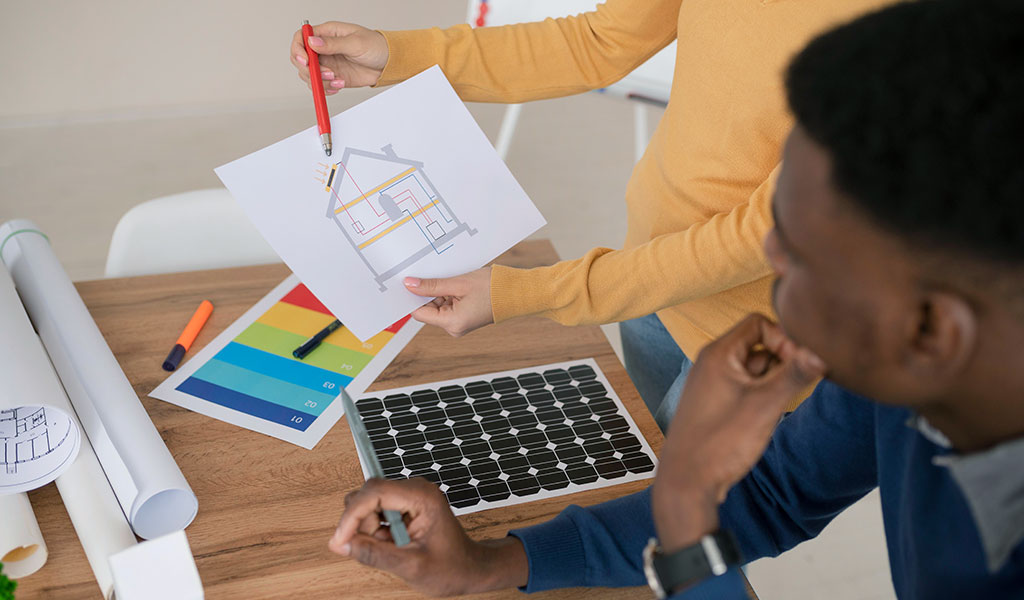
Before diving into any major changes, it’s smart to understand how your home consumes energy.
A home energy audit helps us identify areas where energy is being wasted, whether it’s through poorly insulated windows, inefficient appliances, or drafty doors.
Professionals can use specialized tools to pinpoint these issues, giving us a roadmap for improvements. Plus, many utility companies offer free or discounted energy audits, making it a budget-friendly option.
By addressing these inefficiencies, we can make targeted upgrades that save energy and money in the long run.
2. Embrace Solar Power
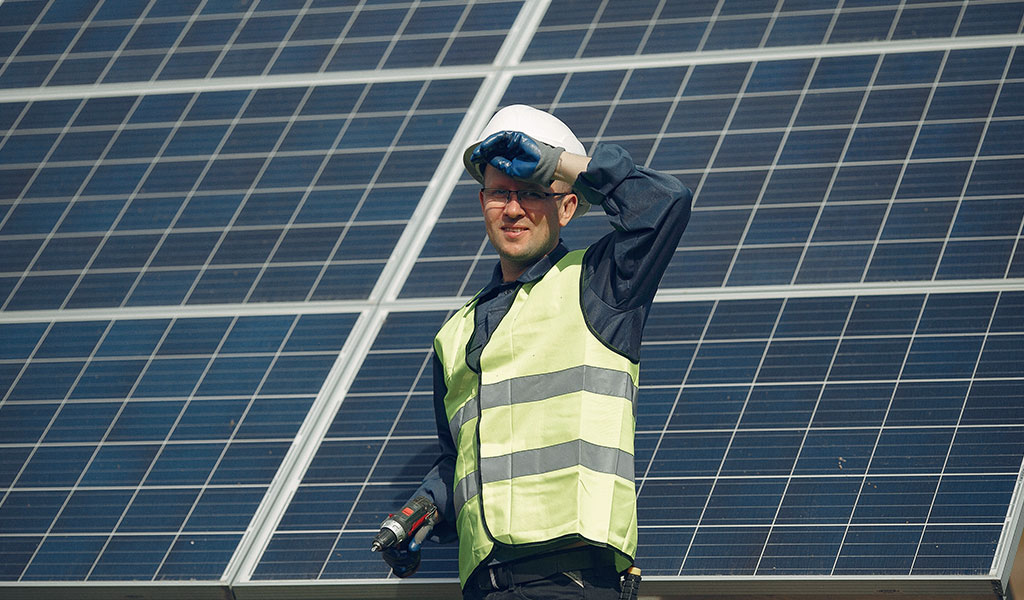
Solar power is like having our own personal energy source straight from the sun. Solar panels installed on our roof capture sunlight and convert it into electricity, which we can use to power our homes.
What’s great is that solar energy is clean, renewable, and abundant. Even on cloudy days, solar panels can still generate electricity.
Plus, many governments offer incentives and rebates for installing solar panels. Also, it is a financially savvy choice.
By embracing solar power, we not only reduce our carbon footprint but also gain energy independence and potentially lower our electricity bills.
3. Invest in Energy-Efficient Appliances

Investing in energy-efficient appliances means choosing products that use less energy to perform the same tasks.
You should look for appliances with the ENERGY STAR label, which indicates they meet strict energy efficiency guidelines set by the Environmental Protection Agency.
These appliances use advanced technology to minimize energy consumption without sacrificing performance.
From refrigerators to washing machines, upgrading to energy-efficient models can significantly reduce our energy bills over time. Plus, it’s a win-win for both our wallets and the environment.
4. Consider Geothermal Heating and Cooling

Geothermal energy taps into the Earth’s natural heat, providing a highly efficient way to heat and cool our homes.
Through a system of pipes buried underground, geothermal heat pumps transfer heat to or from the ground, depending on the season.
During the winter, the system extracts heat from the earth and brings it into our homes, while in the summer, it removes heat from our homes and transfers it back into the ground.
This process is incredibly efficient since the Earth’s temperature remains relatively constant below the surface.
While the upfront costs may be higher, geothermal systems can save us money on energy bills over time and reduce our reliance on fossil fuels.
5. Educate Yourself on Energy Storage

Energy storage systems let us store excess energy generated from renewable sources, like solar panels or wind turbines, for later use. Batteries, like lithium-ion batteries, are commonly used for residential energy storage.
By storing surplus energy when it’s abundant and using it during times of high demand or when renewable sources are not available, we can maximize our energy independence and reduce reliance on the grid.
Educating ourselves on energy storage options and how they integrate with our renewable energy systems empowers us to make informed decisions about our energy usage and efficiency.
6. Monitor and Optimize Your Energy Usage
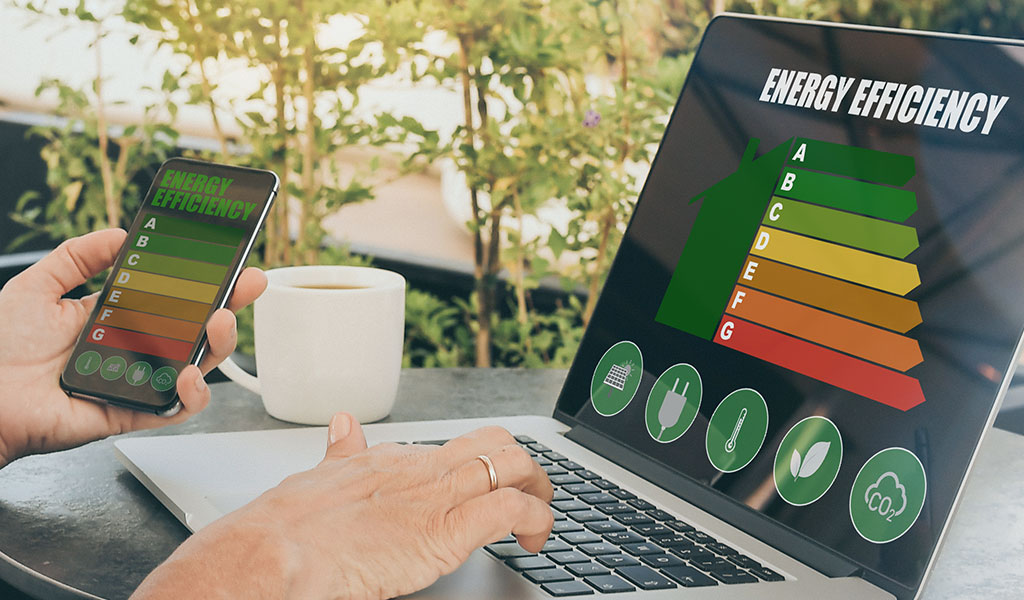
Knowledge is power when it comes to managing energy consumption. By installing smart meters and energy monitoring systems, we can track our energy usage in real time and identify areas where we can make improvements.
These systems provide valuable insights into our energy patterns. Also, it lets us adjust our habits and optimize our energy usage accordingly.
We can also set energy-saving goals and use smart home devices to automate energy-saving actions, like adjusting thermostats or turning off lights when not in use.
By actively monitoring and optimizing our energy usage, we can reduce waste, lower our energy bills, and minimize our environmental impact.
7. Collaborate with Professionals

Sometimes, it takes a pro to truly optimize our home’s energy efficiency. Collaborating with energy professionals, like energy auditors or HVAC technicians, can provide valuable insights and expertise.
These professionals can assess our home’s energy usage, recommend tailored solutions, and ensure that any upgrades or installations are done correctly.
Whether it’s sealing ductwork, upgrading insulation, or installing energy-efficient HVAC systems, their expertise can help us maximize our energy savings and comfort.
Plus, they can help us navigate available incentives, rebates, and financing options, making our energy-saving journey even more cost-effective.
Don’t hesitate to reach out to these professionals for personalized advice and assistance in achieving our energy efficiency goals.
8. Use Energy-Efficient Lighting and Equipment
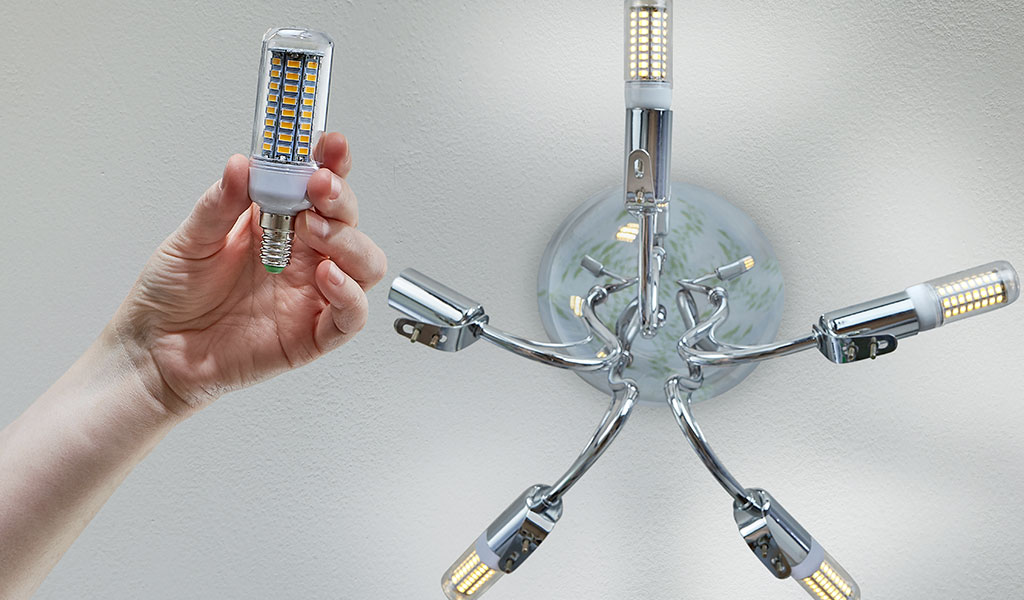
Light up our home while saving energy with energy-efficient lighting and equipment. You should swap out old incandescent bulbs for energy-efficient LED or CFL bulbs, which use significantly less energy and last much longer.
Additionally, opt for ENERGY STAR-certified appliances and electronics when it’s time for an upgrade. These products meet strict energy efficiency criteria, consuming less energy without sacrificing performance.
From refrigerators to televisions, choosing energy-efficient options can make a big difference in reducing our overall energy consumption.
Plus, many utility companies offer incentives or rebates for purchasing energy-efficient products. So, it can be even more enticing to make the switch.
9. Turn Off Electronics When Not in Use

We can easily trim our energy bills by simply flipping the switch. Many electronics and appliances continue to consume energy even when they’re turned off but still plugged in, a phenomenon known as standby power.
By unplugging devices or using power strips to completely cut power to electronics when they’re not in use, we can eliminate this wasted energy.
Encourage everyone in the household to develop the habit of turning off lights, unplugging chargers, and powering down electronics when they’re not being used.
It’s a simple yet effective way to reduce energy waste and lower our electricity bills without sacrificing convenience.
Benefits of Renewable Energy for Your Home
Making the switch to renewable energy sources offers a multitude of benefits, not only for your household but also for the planet.
Here’s a closer look at why embracing renewable energy is a smart and rewarding choice:
Environmental Impact
By harnessing energy from sources like sunlight, wind, and water, we significantly reduce our reliance on fossil fuels, which emit harmful greenhouse gases when burned.
Switching to renewables helps combat climate change and preserve our planet’s natural resources for future generations.
Cost Savings
While the initial investment in renewable energy systems like solar panels or wind turbines may seem daunting, they often pay for themselves over time through reduced energy bills.
Generating your own electricity means less reliance on utility companies and their fluctuating rates. So, you can put more money back in your pocket in the long run.
Energy Independence
Producing our own renewable energy gives us greater control over our energy supply. We’re less susceptible to disruptions in the grid, power outages, or fluctuations in energy prices.
With renewables, we can enjoy a more reliable and stable energy source right at our fingertips.
Job Creation and Economic Growth
The renewable energy sector is a significant contributor to job creation and economic growth.
If you invest in renewables, it can stimulate local economies, and create new employment opportunities. Also, this will foster innovation and technological advancements in clean energy technologies.
Health Benefits
Unlike traditional fossil fuels, renewable energy sources produce minimal air and water pollution.
By reducing our reliance on fossil fuels, we can improve air quality, reduce respiratory illnesses, and mitigate the negative health impacts associated with pollution.
Community Engagement
Renewable energy projects often encourage community involvement and collaboration.
From neighborhood solar cooperatives to wind farms owned by local communities, renewable energy initiatives can strengthen social bonds and empower individuals to take collective action toward a sustainable future.
Long-Term Sustainability
Renewable energy sources are, by their very nature, sustainable and abundant.
Unlike finite fossil fuels, sunlight, wind, and water are continuously available resources that can be harnessed indefinitely without depleting our natural reserves.
Investing in renewables ensures a cleaner, brighter future for generations to come.
Wrapping Up
Renewable energy in our homes isn’t just a trend, it’s a transformative step towards a greener, more sustainable future.
By following these nine green tips, we can reduce our carbon footprint, and save money on energy bills. Thus we can also contribute to a healthier planet.
From embracing solar power to investing in energy-efficient appliances and collaborating with professionals, each action we take brings us closer to a more environmentally friendly lifestyle.
So, let’s seize the opportunity to harness the power of renewable energy and make a positive impact, one home at a time. Best of luck.

