Like many conscious people, you want to make your dishwasher more environmentally friendly. In this guide, we’ll explore 12 practical tips to help you green your dishwasher routine.
From adjusting settings and loading dishes efficiently to choosing eco-friendly detergents and maintaining your dishwasher properly, these simple yet effective strategies will save water and energy.
Also, they can contribute to a healthier planet. Whether you’re motivated by cost savings, environmental conservation, or simply a desire to live more sustainably, there’s something for everyone in this post.
Let’s transform your dishwashing habits into eco-conscious practices that benefit both your household and the world around us. Stay focused.

Why Making Your Dishwasher Eco-Friendly is Important?
Making your dishwasher eco-friendly is fundamental because it’s not just about cleanliness; it’s about preserving the environment we all share.
When we choose eco-friendly practices, like using energy-efficient dishwashers and eco-friendly detergents, we reduce our carbon footprint. By saving energy and water, we help conserve valuable resources and reduce pollution.
Plus, eco-friendly dishwashers often use less water and energy, saving you money in the long run. Moreover, choosing biodegradable detergents reduces the harmful chemicals that end up in our waterways, safeguarding aquatic life.
It’s a small change that can make a big difference. So, let’s make conscious choices when it comes to our dishwashing habits. Together, we can contribute to a healthier planet for ourselves and future generations.
12 Tips to Green Your Dishwasher
You must check out these 12 simple yet effective tips to make your dishwashing habits more eco-friendly. From adjusting settings to choosing the right detergent, these practices can help you conserve water, energy, and resources.
Also, you can get sparkling clean dishes. Let’s make a positive impact on the planet, one dish at a time. Go through the next part with care.
1. Use Energy-Saving Settings
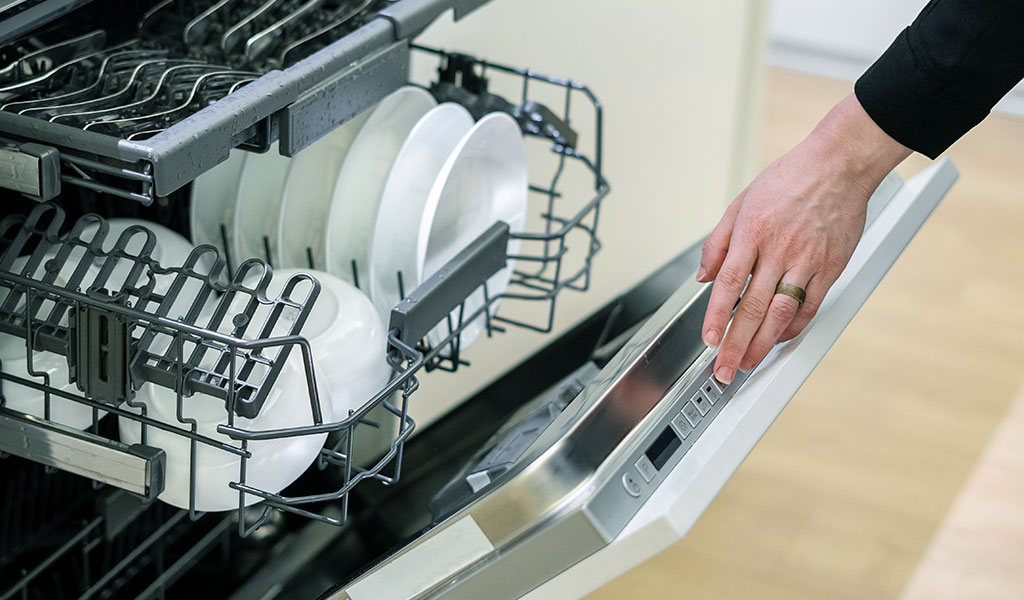
Most modern dishwashers come with energy-saving settings that you can easily activate. These settings adjust the temperature and duration of the wash cycle to use less energy while still effectively cleaning your dishes.
By choosing these settings, we can significantly reduce the amount of electricity our dishwasher consumes. It’s a simple adjustment that can make a big impact on our energy bills and the environment.
Plus, since dishwashers typically run at night or when we’re away, using energy-saving settings ensures we’re being eco-conscious even when we’re not actively monitoring the appliance.
2. Run Full Loads Only
Running your dishwasher only when it’s full is a great way to maximize its efficiency. When we run partial loads, we’re essentially wasting water and energy on fewer dishes, which is neither cost-effective nor environmentally friendly.
By waiting until the dishwasher is completely full before running it, we make the most out of each cycle, reducing the number of times we need to run it overall.
It’s a simple habit that helps conserve resources and save money on utilities. Plus, it’s a good situation since we’re saving time and effort by minimizing the number of times we need to load and unload the dishwasher.
3. Scrape Food Waste Off Plates
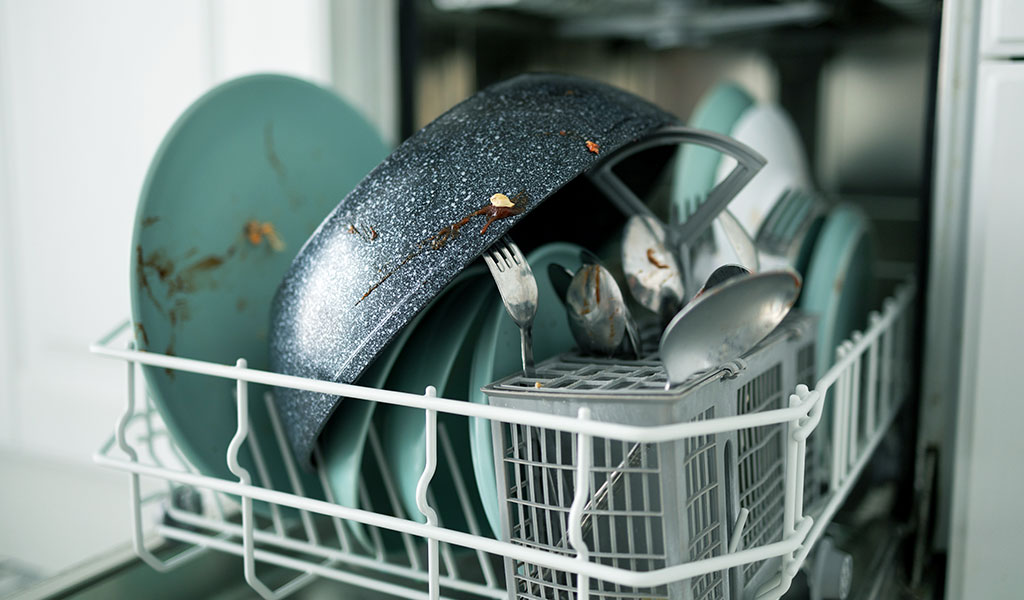
Before loading dishes into the dishwasher, take a moment to scrape off any leftover food scraps into the trash. This simple step helps prevent food particles from clogging the dishwasher’s filter and ensures a more efficient cleaning cycle.
When food waste accumulates in the dishwasher, it can lead to unpleasant odors and reduce the effectiveness of the wash.
By removing excess food beforehand, we improve the dishwasher’s performance. Also, it helps us reduce the need for extra rinsing, saving both water and energy.
Additionally, minimizing food residue in the dishwasher helps extend the lifespan of the appliance and reduces the risk of potential breakdowns or repairs. It’s a small effort that goes a long way in maintaining a clean, eco-friendly kitchen.
4. Load Dishes Efficiently
When loading your dishwasher, arrange dishes, glasses, and utensils in a way that maximizes space and ensures thorough cleaning.
You should place larger items like pots and pans along the sides or in the back, leaving the center for plates and bowls. Make sure to angle dishes downward to let water reach all surfaces effectively.
By optimizing the layout, you can fit more items into each load, reducing the number of cycles needed and saving water and energy.
Additionally, avoiding overcrowding lets better circulation of water and detergent. Thus it results in cleaner dishes with less effort.
5. Use Eco-Friendly Detergents
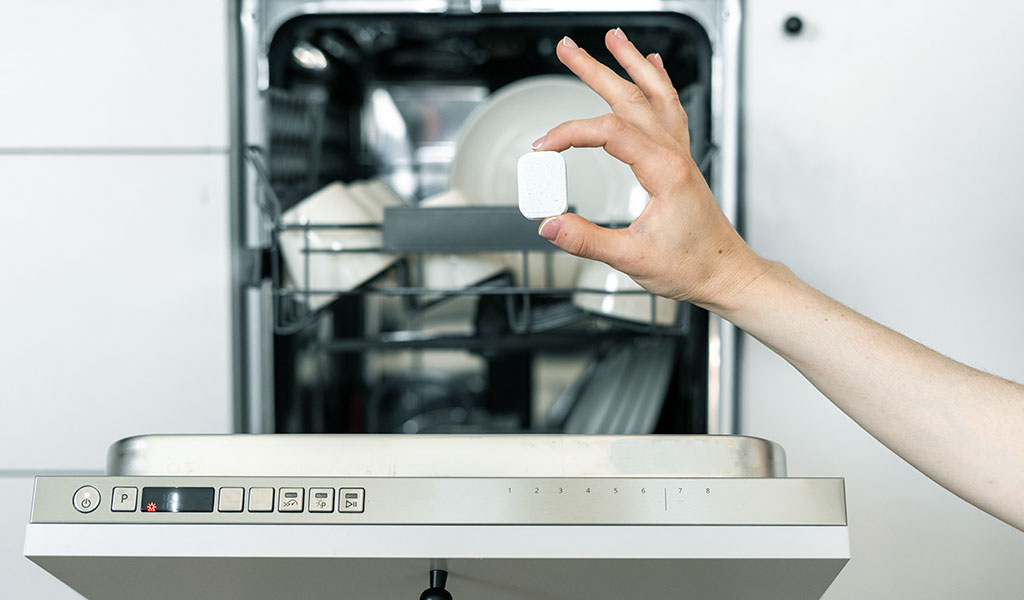
Choose detergents that are specifically labeled as eco-friendly or biodegradable. These products are formulated with natural ingredients that are gentler on the environment and less harmful to aquatic ecosystems.
You should look for detergents that are free from phosphates, chlorine, and synthetic fragrances, as these chemicals can contribute to water pollution and harm aquatic life.
Eco-friendly detergents are just as effective at removing food residue and grease from dishes while being safer for your family and the planet.
By making the switch, you can reduce your carbon footprint. Also, you can support sustainable manufacturing practices.
6. Choose Low-Temperature Wash Cycles
Many modern dishwashers offer low-temperature wash cycles that use less energy to heat the water. Selecting these cycles helps conserve energy while still achieving sparkling-clean dishes.
Lower temperatures are also gentler on delicate items like glassware and plastics, reducing the risk of damage or warping.
Additionally, using cooler water can help preserve the lifespan of your dishwasher by minimizing wear and tear on internal components.
By selecting low-temperature wash cycles, you can enjoy the convenience of your dishwasher while minimizing its environmental impact.
7. Maintain Dishwasher Filters

Regularly check and clean your dishwasher’s filters to ensure optimal performance.
Filters trap food particles and debris during the wash cycle, preventing them from clogging the dishwasher’s spray arms and affecting cleaning efficiency.
Remove the filters according to the manufacturer’s instructions and rinse them under running water to remove any buildup. If necessary, use a soft brush or sponge to gently scrub away stubborn residue.
By keeping the filters clean, you can prevent blockages and ensure that water circulates freely. Thus it will result in cleaner dishes and more efficient energy use.
8. Fix Leaks Promptly
You should keep an eye out for any signs of leaks or water damage around your dishwasher and address them promptly. Even small leaks can waste significant amounts of water and lead to mold growth or structural damage over time.
Inspect the dishwasher’s door seal, hoses, and connections regularly for signs of wear or deterioration. If you notice any leaks or drips, tighten connections or replace damaged parts immediately.
By fixing leaks promptly, you can prevent water waste. Also, you can reduce the risk of costly repairs, and prolong the lifespan of your dishwasher.
9. Air Dry Instead of Heat Dry

Instead of using the dishwasher’s heat drying cycle, you should pick air drying to save energy and reduce your carbon footprint.
After the wash cycle is complete, open the dishwasher door slightly to let the warm air circulate and dry the dishes naturally.
This method takes advantage of residual heat from the wash cycle while minimizing energy consumption. If you are in a hurry, you can speed up the drying process by using a clean dish towel to gently pat dishes dry before putting them away.
By air drying your dishes, you can save energy and lower your utility bills. Also, you will still achieve spotless results.
10. Avoid Pre-Rinsing
Resist the urge to pre-rinse dishes before loading them into the dishwasher. Most modern dishwashers are designed to effectively remove food residue without the need for pre-rinsing, saving both water and time.
Pre-rinsing not only wastes water but also negates the purpose of the dishwasher’s cleaning cycle.
By letting some food particles to remain on the dishes, you actually help the detergent work more efficiently by providing something for it to cling to.
You should trust in the dishwasher’s capabilities and skip the pre-rinse step to conserve water and energy.
11. Clean Dishwasher Regularly

Regular maintenance is key to keeping your dishwasher running smoothly and efficiently. Every few months, take the time to clean the interior of the dishwasher, including the door gasket, spray arms, and filter.
Use a mild detergent and a soft brush or sponge to remove any buildup of food particles, grease, or soap scum. Pay special attention to the filter, as a clogged filter can impair the dishwasher’s performance.
Additionally, you can run an empty cycle with a dishwasher cleaner or a mixture of vinegar and baking soda to remove mineral deposits and odors.
By keeping your dishwasher clean, you can ensure that it operates at peak efficiency and prolong its lifespan.
12. Consider Energy Star Rated Models
When it’s time to replace your dishwasher, opt for an Energy Star rated model. Energy Star certified dishwashers are independently tested and verified to meet strict energy efficiency criteria set by the Environmental Protection Agency (EPA).
These models use advanced technologies, like soil sensors and efficient water distribution systems, to minimize water and energy consumption. Still, they check if they can deliver superior cleaning performance.
You should look for models with the Energy Star label and compare their energy usage and water consumption to find the most efficient option for your needs.
Investing in an Energy Star rated dishwasher saves you money on utility bills. Also, they can help you reduce your environmental impact.
Benefits of Reducing Water and Energy Usage
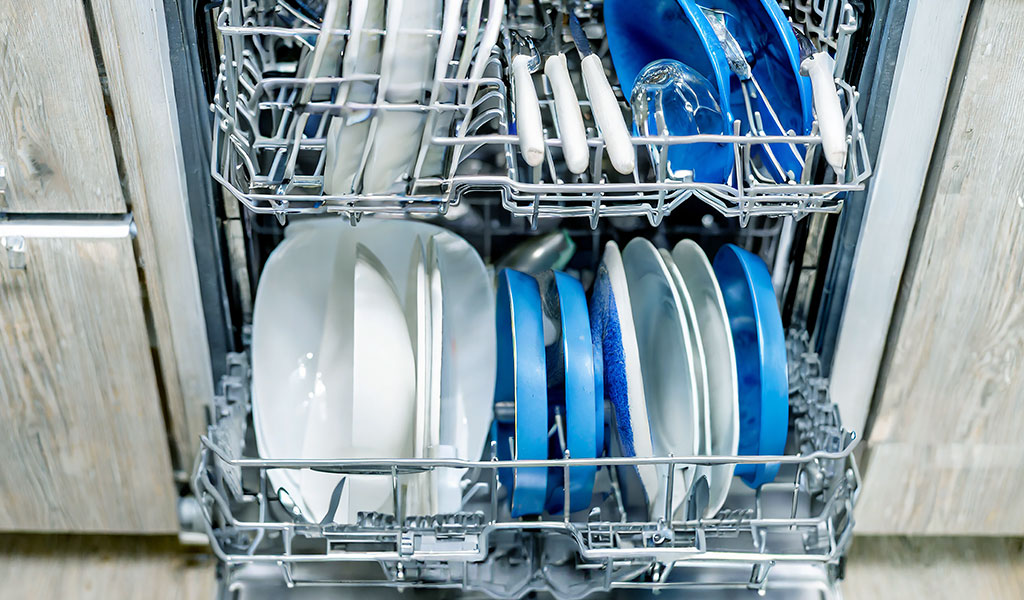
Reducing water and energy usage isn’t just good for the planet; it’s also beneficial for your wallet and overall quality of life.
By making simple changes to conserve resources, you can enjoy numerous benefits that positively impact both the environment and your daily routine. Check them out now.
Lower Utility Bills
One of the most immediate benefits of reducing water and energy usage is the potential for lower utility bills. Conserving water means using less hot water, which in turn reduces energy consumption for heating.
Cutting back on electricity and water usage can lead to significant savings over time. Thus it frees up funds for other expenses or savings goals.
Environmental Conservation
Every drop of water and watt of energy saved contributes to environmental conservation efforts. Conserving these resources helps preserve natural ecosystems, and reduce pollution in waterways and the atmosphere.
By minimizing your ecological footprint, you’re playing a vital role in safeguarding the planet for future generations.
Extended Lifespan of Appliances
Using less water and energy can prolong the lifespan of your household appliances, including your dishwasher, washing machine, and water heater.
Reduced usage means less wear and tear on these appliances, leading to fewer repairs and replacements over time.
By taking care of your appliances, you can save money. Also, you can significantly reduce waste by keeping them out of landfills.
Improved Indoor Air Quality
Energy-efficient appliances and practices often result in improved indoor air quality. For example, using less energy means fewer greenhouse gas emissions, which can help reduce air pollution and respiratory health issues.
Additionally, choosing eco-friendly cleaning products and practices can minimize indoor air pollution caused by harsh chemicals.
Enhanced Water Supply Resilience
Conserving water helps ensure a more resilient water supply, especially in regions prone to drought or water scarcity.
By using water more efficiently, you are helping to preserve this precious resource for essential needs like drinking, agriculture, and sanitation.
Additionally, reduced water usage can mitigate the need for costly infrastructure projects, like new dams or water treatment facilities.
Personal Satisfaction and Well-being
Adopting water and energy-saving habits can provide a sense of personal satisfaction and well-being. Knowing that you are making a positive impact on the environment and contributing to global sustainability efforts can boost your mood.
Plus, reducing your reliance on utilities can promote self-sufficiency and resilience in the face of fluctuating energy prices or supply disruptions.
Wrapping Up
Adopting eco-friendly practices for your dishwasher isn’t just about saving water and energy, it’s about making a positive impact on the planet.
By implementing these 12 tips, you can reduce your carbon footprint, lower utility bills, and contribute to a healthier environment for future generations.
From using energy-saving settings to choosing eco-friendly detergents and maintaining your dishwasher properly, every small change adds up to significant benefits.
Let’s commit to greening our dishwashing routines and holding sustainability in our daily lives. Together, we can make a difference and create a cleaner world for all. Best of luck.

