You’re probably aware that your flooring can have a significant impact on your home’s energy efficiency.
But did you know that it can also play a major role in your eco-friendly efforts? From your garage floor to your hardwood floors, the choices you make can either help or hinder your green lifestyle.
Concrete garage floors, for example, can let heat and air escape, leading to energy inefficiency. By adding a good quality garage floor coating or caulking between the floor and walls, you can improve your garage’s energy efficiency.
Similarly, making a conscious choice to buy garage doors made from recycled materials is another step towards a more sustainable home.
As for your indoor floors, opting for hardwood can be an energy-efficient choice. But that’s not all. The underlayment plays a crucial role too. Stick around as we delve deeper into these topics and share seven tips to green your flooring.

1. Choose Eco-Friendly Materials
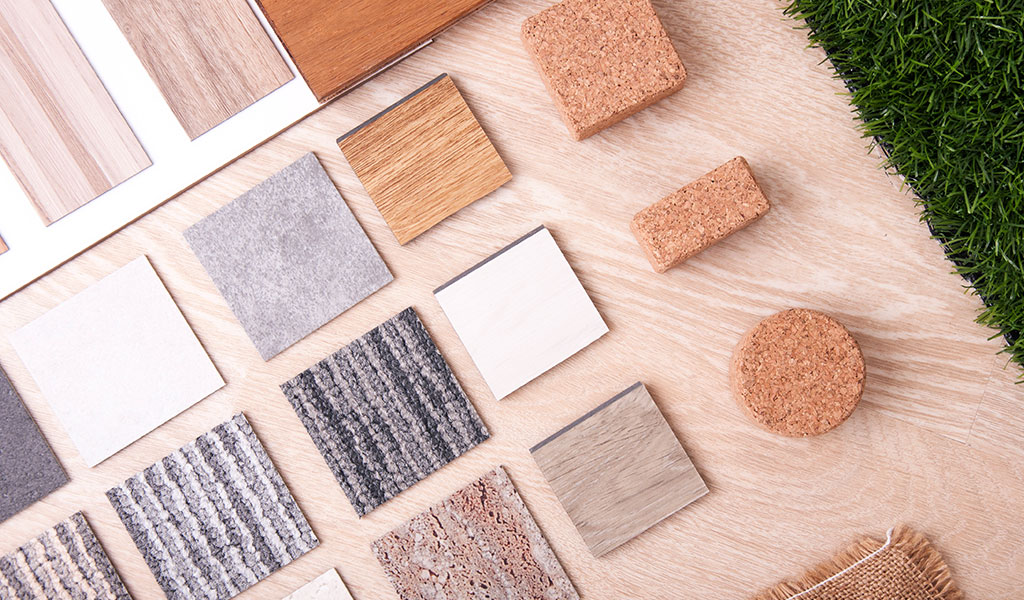
When faced with the task of choosing materials for your home’s flooring, this is the perfect opportunity to make sustainable decisions that not only serve your design and functional needs but also contribute to a healthier environment.
In making eco-friendly choices, you’re prioritizing responsible sourcing and ethical production practices, which in turn, minimizes your home’s environmental footprint.
Vehicle emissions, fossil fuel-powered manufacturing, and waste disposal are some colossal sources of pollution. By selecting sustainable flooring, you’re doing your part in conserving resources, using reclaimed materials, and reducing waste.
Bamboo Flooring
Consider bamboo as one of your eco-friendly choices. This sustainable material is organic, renewable, and grows rapidly, making it an excellent alternative to traditional hardwood. Bamboo is harvested at maturity, between 5 ½ to 6 years, ensuring maximum durability and longevity for your floor.
Bamboo flooring, particularly of the Moso species, possesses high hardness ratings, ranging from 1100 to 5000 on the Janka scale.
This durability feature coupled with its low VOC (Volatile Organic Compounds) content, ranging from zero to 5ppm, makes Bamboo a preferred choice for environmentally conscious homeowners.
It’s important to ensure the bamboo is sustainably sourced and that the manufacturers adhere to responsible production processes. For instance, a low formaldehyde content of the adhesive (zero to 0.5 CARB2 and EPA, or 0.1 European standard) is an indication of a responsibly-produced bamboo floor.
Below is a table summarizing key criteria for bamboo flooring evaluation.
| Criteria | Range | Ideal |
|---|---|---|
| Harvesting Age | 5 ½ – 6 years | At maturity |
| Hardness Rating (Janka Scale) | 1100 – 5000 | Higher is Better |
| VOC Content | 0 – 5ppm | Less is Better |
| Formaldehyde Content | 0 – 0.5 CARB2 and EPA, 0.1 European standard | Less is Better |
Cork Flooring
Another sustainable flooring option worth considering is Cork Flooring. This type of flooring is manufactured from the bark of the cork tree, which can be harvested without causing harm to the tree, making it an eco-friendly alternative.
Cork is a durable and long-lasting material, known for its unique and elegant look. It can increase the value of your home while minimizing environmental harm.
The cork tree bark’s post-industrial byproduct used as an ingredient in flooring manufacturing is part of the bottle stopper industry, thus reducing the waste.
2. Opt for Non-Toxic Finishes

While choosing a sustainable flooring material is a vital first step towards an eco-friendly home, it’s equally important to ensure the finishes used on your floor are non-toxic.
Water-Based Finishes
When it comes to choosing a non-toxic finish, water-based finishes are an excellent choice. Unlike traditional oil-based finishes, they emit fewer volatile organic compounds (VOCs), which are harmful to the environment and your health.
These finishes are not only non-hazardous but also highly resistant to wear, protecting your floor from everyday scratches, spills and foot traffic.
Their quick drying time also contributes to a more efficient installation process. However, they can be pricier than traditional finishes. But considering their environmental benefits and superior performance, they are a worthy investment.
Natural Oils and Waxes
For lovers of natural products, consider finishes made of Natural Oils and Waxes such as linseed oil, tung oil, or beeswax. These products are derived from natural sources, making them an environmentally-friendly option.
Their lack of VOCs also contributes to healthier indoor air quality, contributing to your home’s overall well-being.
These finishes penetrate deeply into the wood, enriching its color and lending it a soft, warm glow. Plus, they’re easy to apply and repair in case of scratches or blemishes, often requiring only a coat of oil or wax to restore the floor’s look.
By choosing non-toxic finishes, you’re not only bringing nature’s beauty into your home but also protecting your health and the environment. Now, isn’t that a step towards a sustainable home you’d want to take?
4. Consider Reclaimed or Recycled Options

When it comes to sustainable flooring, think about reincorporating what’s already been produced. Reclaimed wood flooring utilizes wood from old buildings, saving these valuable materials from heading to landfills.
You’re not just reducing waste but also adding character to your home with unique, antique-looking floors.
Another star player in the ‘recycled’ category is recycled glass tile flooring. Incorporating post-consumer glass reduces the demand for new resources, thus contributing to resource conservation. It’s a way of upcycling that ensures nothing’s wasted while lending a stylish touch to your living space.
| Flooring Options | Impact |
|---|---|
| Reclaimed Wood | Reduces waste, Enhances aesthetic |
| Recycled Glass | Conserves resources, Adds design sophistication |
You can also broaden your sustainable flooring spectrum to engineered timber or bamboo flooring. But keep in mind the lifecycle of these materials: their source should be regenerative forests, or the timber should be reclaimed, recovered, or recycled.
Always look for underlays made from recycled materials. These add another layer of green to your floor: they’re predominantly manufactured from recycled materials and can be recycled again once their service life is over.
Keep exploring sustainable flooring avenues that minimize environmental footprint and enhance liveability.
5. Install Eco-Friendly Underlayment
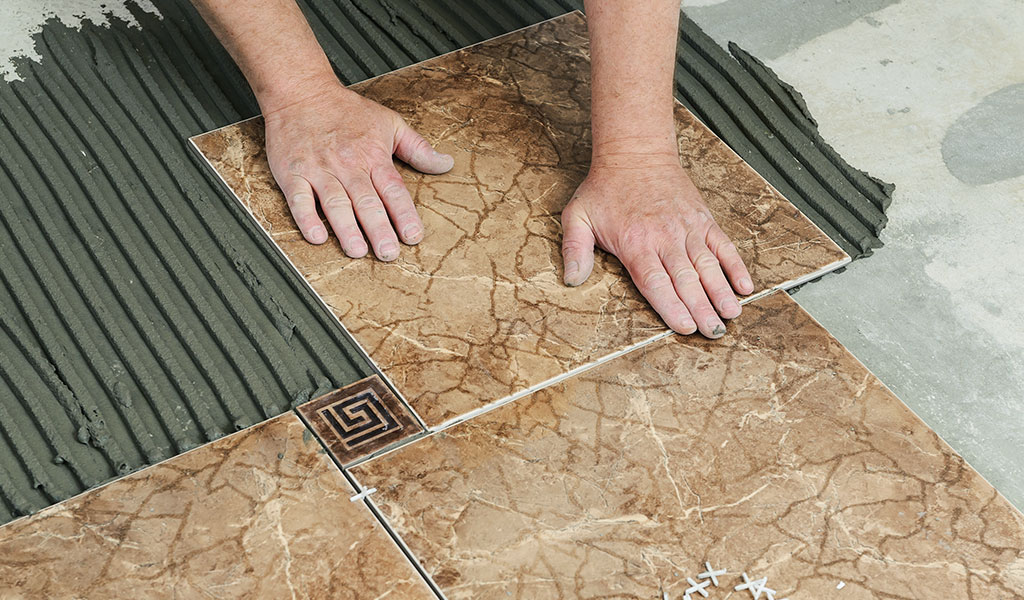
As we delve more into creating a sustainable living space, let’s consider the foundation of your flooring— the underlayment.
Opting for eco-friendly underlayment can bring about a significant change not solely in reducing your carbon footprint but also in boosting indoor air quality. It’s commonly glossed over, but underlayment actually plays a crucial role in hardwood floors.
Look for underlayment options made from recycled materials, which can further minimize environmental impact. This is a smart move for sustainable flooring as it lessens the need for the production of new materials. Additionally, improving energy efficiency is also one of the prime benefits that eco-underlayment brings.
Be discerning in your choices. Do remember not to fall for cowboy services – those are the ones offering astounding promises with staggering low prices. You deserve well-informed expertise when it comes to your home.
A good eye and knowledge are indeed necessary in choosing the right fit for your home’s underlayment to ensure its longevity while reducing any chance of floor repair needs. Avoid the mistake of doing it yourself without the right knowledge or the tools typically required.
Your choices in sustainable living do leave an imprint. Opting for eco-friendly underlayment can be a seemingly small but meaningful step in greening your flooring.
6. Choose Sustainable Carpeting
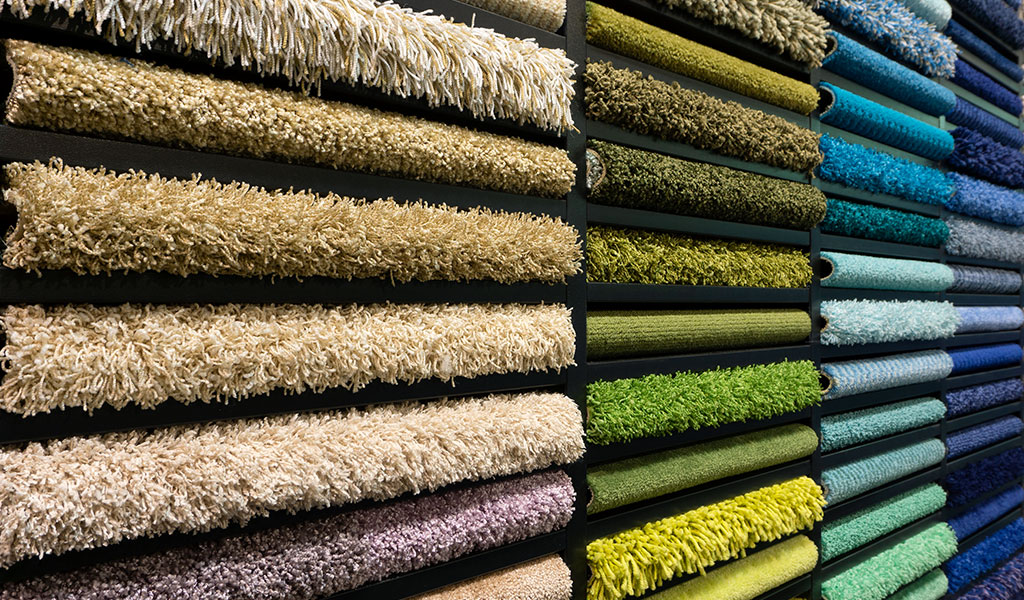
Choosing the right carpeting can significantly affect your room’s look and feel, and at the same time, play its part in maintaining a healthy, green environment in your home.
Pay attention to the materials used, the production process, and the longer-term implications of your choice. Adopting the latest trends in sustainable flooring can bring your home into the modern day, ensuring both comfort and eco-friendliness.
Wool Carpet
When it comes to picking out carpeting for your floors, wool carpets come highly recommended. They’re not only beautifully textured and comforting under the foot, but they’re also produced from a renewable and organic resource; sheeps wool.
What sets wool carpets apart from their counterparts is their resilience, ease of maintenance, and lifetime expectancy. Over time, investing in wool carpets proves to be cost-effective due to these unique qualities.
Interestingly, a wool carpet adds value to your home, with its blend of comfort, style, and durability. Moreover, it’s a non-toxic, non-allergenic natural fiber that’s biodegradable and recyclable. With wool carpeting, you’re taking a significant step towards green living, without compromising on comfort or style.
Recycled Content Carpet
There’s a rising trend of carpet manufacturers preferring recycled materials to produce carpets, contributing significantly to limiting the environmental footprint.
The industry is observing giants like Feltex and Godfrey Hirst take zealous steps towards maintaining strict environmental certifications.
Their progressive approach not only ensures the use of recycled materials but also strives to meet the highest standards in carpet quality.
With the adoption of these eco-friendly carpeting solutions, your decisions align with the best environmental practices, and you contribute to a greener planet.
One such notable innovation in carpet production is the Sorona polymer. Its use helps in delivering a carpet option that reduces energy consumption, lowers greenhouse gas emissions, and uses renewable plant-based ingredients. All this while maintaining the highest standards in carpet quality.
When you make a conscious effort to choose more sustainable flooring alternatives, your home becomes a more eco-friendly space. It goes beyond enhanced comfort and style; it’s about making decisions today that lead to a healthier, greener tomorrow.
7. Use Area Rugs Made from Natural Fibers

In your quest for sustainable flooring, incorporating area rugs made from natural fibers is a wise move. They not only add character and coziness to your home but also boast strong eco-credentials. Here, we delve into a few standout options and how to take care of them.
Jute Rugs
An excellent addition to your green flooring repertoire is one or more jute rugs. Jute, derived from the stalks of a rain-fed plant, is an incredibly renewable resource.
It’s durable yet soft underfoot, making it perfect for less trafficked areas like bedrooms or studies. Not only is a jute rug an eco-friendly choice, but its distinct texture can add an intriguing design element to your décor.
Sisal Rugs
Sisal rugs are another brilliant green option. These rugs are made from Agave sisalana fibers that are prized for their strength, durability, and premium feel.
Seeing as the agave plant is highly sustainable, growing rapidly with little water, sisal rugs are an excellent choice for the environmentally conscious. Additionally, sisal’s classic look with its smooth finish and earthy hue brings a refined flair to any room.
Green Cleaning Products
Proper maintenance of your natural fiber rugs not only helps them last longer but can lower your environmental footprint even further when you opt for green cleaning products. Regular cleaning is crucial to keep allergens and dirt at bay.
However, it’s key to avoid harsh chemicals which could harm both your rug and the environment. Choose cleaning products that are biodegradable and made from plant-derived ingredients. Typically, these green cleaners don’t compromise on performance, so your rugs will still look their best.
Regular Vacuuming with HEPA Filter
Lastly, investing in a vacuum cleaner with a High Efficiency Particulate Air (HEPA) filter aids in maintaining a healthy home atmosphere. A HEPA filter captures ultrafine particles, which can be particularly beneficial for allergy sufferers.
Regular vacuuming also prevents dirt and dust from embedding into your rug, prolonging its life. This way, you’re not only aiding your environment by using sustainable flooring options, but you also ensure they’re cared for in a way that minimizes environmental impact.
Frequently Asked Questions
How can I maintain natural fiber rugs in an eco-friendly way?
The article suggests using green cleaning products to maintain natural fiber rugs. This approach not only keeps these rugs clean but also reduces environmental impact.
Why are natural fiber rugs considered eco-friendly?
Natural fiber rugs are considered eco-friendly because they are made from sustainable materials, like jute and sisal. These materials don’t deplete the Earth’s resources and can be safely returned to the environment at the end of their life.
Why is it important to use green cleaning products on natural fiber rugs?
Green cleaning products are important for natural fiber rugs as they reduce the environmental impact and are safer for your home. They allow you to maintain the rugs while keeping in line with the sustainability aspect of using natural fibers.
Conclusion
You’ve got the power to make a significant environmental impact right under your feet. Choosing natural fiber area rugs and green cleaning products are steps you can take to make your home more sustainable.
Don’t forget, a quality vacuum with a HEPA filter isn’t just a great investment for your health, it’s also a way to extend the life of your eco-friendly flooring. So, step into a greener future, starting with your floor.
It’s a decision that’s good for you, your home, and the planet. Remember, every little change adds up to a big difference.

