Hey there, fellow Earth-lover! Have you ever thought about how easy it could be to make your lifestyle a bit more eco-friendly?
You know all those things we use daily and hardly give a second glance? Well, guess what, many of them have green buddies that are not only better for the planet but also for our health. Now, doesn’t that sound like an amazing adventure towards a greener life?
Picture this: You open your pantry or bathroom cabinet and – voila – all you see are earth-loving products. Sounds too good to be true? It’s really not!
The secret is in simple swaps: ditch the disposable razors for reusable ones, say goodbye to plastic wrap and hello to beeswax wrap, switch out those old light bulbs with LED versions. These little changes aren’t just great at cutting waste; they’re also super wallet-friendly!
You see my friend, going green isn’t always about grand gestures like installing solar panels or buying electric cars (although they’re pretty cool!).
It’s also about tiny tweaks here and there in our everyday lives – each one adding up over time to make our lovely planet happier. So gear up because every little step counts!

Benefits of Green Alternatives
When you choose green alternatives for everyday items, you’re making a decision that impacts not only your immediate surroundings but the entire planet. Let’s delve into some of these benefits.
Environmental Impact
Switching to green alternatives helps reduce the strain on our environment. Every time you opt for a reusable shopping bag over plastic, or pick solar power over conventional energy sources, you’re contributing to a greener future.
Consider this: One single-use plastic bag takes up to 1,000 years to degrade in a landfill. On the other hand, a sturdy canvas tote can be used hundreds of times and has less impact when discarded.
It’s not just about reducing waste either. Green alternatives often require fewer resources in their manufacturing process as well as during their lifespan. For example:
| Item | Resources Needed (Conventional) | Resources Needed (Green Alternative) |
|---|---|---|
| Light Bulb | Coal/natural gas extraction and burning (non-renewable) | Sunlight (renewable) |
| Disposable Razor | Plastic production and disposal | Minimal metal production; lasts many years |
Health Benefits
Your health stands to benefit too from green choices. Many products, like cleaning supplies or beauty items, contain chemicals that can have harmful effects on your body over time.
By choosing eco-friendly versions of these products, you’ll reduce your exposure to these risks. A homemade vinegar-based cleaner or an organic shampoo not only do the job but also keep unnecessary toxins out of your home – and body!
Moreover, adopting green habits often goes hand-in-hand with healthier lifestyle choices overall. You might find yourself walking more instead of driving short distances or eating more fresh foods instead of processed ones – both excellent steps towards better health!
In essence, going green isn’t just an environmental stance; it’s a holistic approach towards improved wellbeing for ourselves and our world.
Green Alternatives for Cleaning Supplies
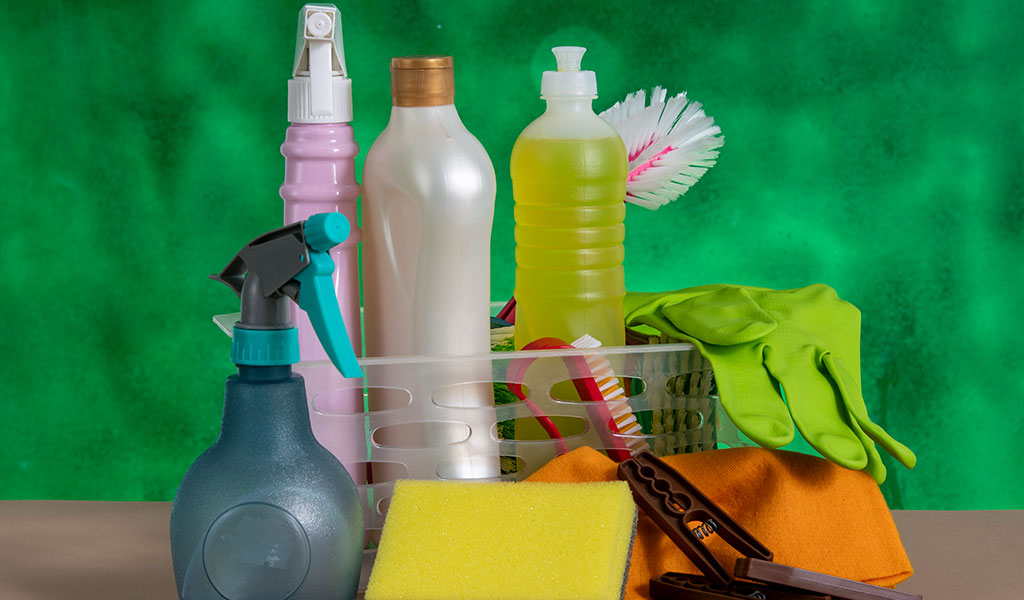
You’re probably used to reaching for that same old bottle of cleaning solution, but did you know there’s a greener way?
Switching to eco-friendly cleaning supplies can not only reduce your carbon footprint, but also protect your health and save you money. Let’s dive into the world of green alternatives to everyday cleaning supplies.
Eco-Friendly All-Purpose Cleaners
There’s a revolution happening in the cleaning aisle. More and more brands are developing all-purpose cleaners that are tough on grime yet gentle on Mother Earth. Here are some top picks:
- Better Life: This brand makes an all-purpose cleaner using plant-derived ingredients, free from synthetic fragrances, dyes, and harsh chemicals.
- Puracy: Puracy’s natural multi-surface cleaner is made from plants and water – it’s biodegradable, hypoallergenic, and safe for kids and pets.
Not feeling like shopping? You can easily make your own all-natural cleaner at home! Mixing equal parts white vinegar and water creates an effective (and cheap!) solution for most surfaces.
Natural Laundry Detergents
Next up on our green journey: laundry room. Traditional detergents often contain harmful chemicals that can irritate the skin or harm aquatic life after they go down the drain. But don’t worry – there are plenty of environmentally-friendly options out there:
- Seventh Generation: A pioneer in eco-friendly products offering a wide range of laundry detergents free from artificial brighteners, dyes & synthetic fragrances.
- ECOS: ECOS laundry detergent is plant-powered with built-in fabric softener – saving you time while keeping clothes fresh!
For those DIY enthusiasts out there: making homemade laundry soap isn’t as hard as it sounds! With just baking soda, washing soda, castile soap bars (like Dr Bronner’s), and some water, you’ll have your own batch in no time.
Reusable Cleaning Cloths
Finally, instead of using paper towels and disposable wipes, consider switching to reusable cloths. Not only will this reduce waste, it’s also kinder on your wallet! Brands like E-Cloth and Zwipes offer high-quality microfiber cloths that can be used over and over again.
For an even thriftier option – repurpose old t-shirts or towels into cleaning rags. Remember: every small step towards a greener lifestyle counts!
Embracing green alternatives for cleaning supplies doesn’t happen overnight. But rest assured – each eco-friendly swap you make contributes to a healthier planet (and home!). So why not give these options a try? You might be surprised at how effective they are… all while doing good for Mother Earth.
Green Alternatives for Personal Care Products
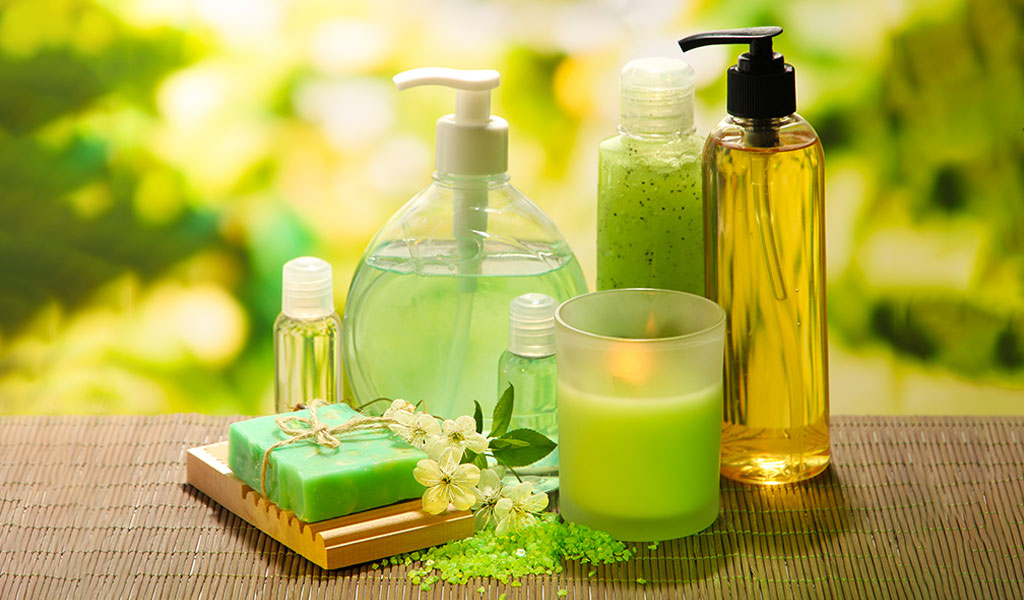
In today’s world, it’s essential to consider the environmental impact of your daily routine. From the moment you wake up to when you go to bed, every product you use leaves a footprint on our planet.
Let’s dive into some green alternatives for personal care products that are not only good for you but also kinder to Mother Earth.
Organic Shampoo and Conditioner
Have you ever thought about what goes down your drain while washing your hair? The answer may surprise you.
Many conventional shampoos and conditioners contain harmful chemicals that can pollute waterways and harm aquatic life when they’re washed down the drain. But don’t worry! There are eco-friendly options out there such as organic shampoos and conditioners.
They’re often made with all-natural ingredients like tea tree oil, lavender, or aloe vera which provide wonderful benefits for your hair without harming the environment.
Here’s a quick comparison between conventional and organic shampoo:
| Conventional Shampoo | Organic Shampoo |
|---|---|
| Synthetic Chemicals | Natural Ingredients |
| Harmful to Aquatic Life | Eco-Friendly |
| May Cause Skin Irritation | Gentle on Skin |
Bamboo Toothbrushes
Next up in our green journey is dental hygiene. Most toothbrushes are made from plastic which can take hundreds of years to decompose in landfills.
However, bamboo toothbrushes offer an excellent alternative! Bamboo is a sustainable resource as it grows rapidly, requires no pesticides or fertilizers, and is biodegradable. Plus, they’re just as effective at cleaning your teeth!
A few key differences between plastic and bamboo toothbrushes include:
- Plastic toothbrushes contribute significantly to landfill waste
- Bamboo toothbrush handles can be composted after use
- Both types clean teeth effectively but bamboo is more environmentally friendly
Biodegradable Floss Picks
Finally, let’s talk about floss picks. While they may seem small and insignificant, the environmental impact of plastic floss picks is anything but. Every year, millions of these tiny plastics end up in our oceans and landfills.
But there’s a green alternative – biodegradable floss picks! Made from materials like silk or cornstarch, these eco-friendly options can decompose naturally without leaving any trace behind.
A few reasons to switch to biodegradable floss picks:
- They reduce your carbon footprint
- They’re made from renewable resources
- They perform just as well as their plastic counterparts
Making these simple switches in your personal care routine can have a significant impact on the environment.
It’s an easy way for you to contribute to preserving our planet for future generations. Remember; every little bit helps when it comes to protecting Mother Earth!
Green Alternatives for Kitchen Items

Making the switch to eco-friendly kitchen items isn’t just good for the environment, it’s also beneficial for your health and wallet. Let’s explore some green alternatives that you can easily incorporate into your daily routine.
Silicone Food Storage Bags
It’s time to say goodbye to single-use plastic bags! Say hello instead to silicone food storage bags. These reusable containers are not only environmentally friendly but they’re also durable, leak-proof, and safe for both freezing and microwaving.
Did you know that a single silicone bag can replace up to 300 disposable plastic ones? That’s a significant reduction in waste right there! Plus, these bags come in different sizes so they’ll fit everything from leftover dinner to snacks on the go.
Here is a quick comparison:
| Silicone Food Storage Bags | Single-Use Plastic Bags | |
|---|---|---|
| Durability | Can be used hundreds of times | Often tear after one use |
| Biodegradability | Not biodegradable but recyclable | Not biodegradable or recyclable |
| Cost Over Time | More expensive upfront but cheaper in the long run due to reusability | Cheaper upfront but costlier over time as they need constant replacement |
Stainless Steel Straws
Another simple swap you can make is trading your disposable straws for stainless steel ones. It might seem like a small change, but it really adds up when you consider Americans use an estimated 500 million straws every day!
Stainless steel straws are not just reusable, they’re also easy to clean and often come with their own cleaning brushes. They’ll keep your drinks cold (or hot) longer than plastic straws, and unlike paper alternatives, they won’t get soggy.
Here’s how stainless steel straws stack up against their plastic counterparts:
| Stainless Steel Straws | Disposable Plastic Straws | |
|---|---|---|
| Durability | Can last a lifetime with proper care | Single use only |
| Biodegradability | Not biodegradable but recyclable | Not biodegradable or recyclable |
| Cost Over Time | Expensive upfront but cheaper in the long run due to reusability | Cheaper upfront but costlier over time as they need constant replacement |
Remember, every little bit helps when it comes to reducing waste and promoting sustainability. With these green alternatives, your kitchen will be on its way to becoming more eco-friendly!
Green Alternatives for Home Energy

Embracing green alternatives for your home energy is a great step towards reducing your carbon footprint and saving on energy costs. Let’s delve into some of the options available to you.
Solar Panels
Solar panels are a fantastic way to harness the power of the sun, transforming it into electricity for your home.
Not only do they help reduce reliance on fossil fuels, but they’re also an excellent investment in the long run. According to data from the Solar Energy Industries Association (SEIA), solar power has seen an average annual growth rate of 49% over the past decade.
| Year | Growth Rate |
|---|---|
| 2011 | 42% |
| 2016 | 53% |
| 2021 | 52% |
Solar panel costs have also been dropping significantly, making them more affordable than ever. You’ll love how much you can save on energy bills while doing something good for Mother Earth!
Energy-Efficient Appliances
When it comes to greening your home, don’t overlook the importance of investing in energy-efficient appliances.
These marvels of technology consume less electricity compared to their traditional counterparts, leading to noticeable savings on your utility bills.
For example, ENERGY STAR® certified washing machines use about 25% less energy and around 33% less water compared to standard models.
And let’s not forget refrigerators – ENERGY STAR® ones can be up to 9% more efficient than models that simply meet federal minimum standards for efficiency.
- Washing Machines: ~25% less energy
- Refrigerators: Up to ~9% more efficient
Remember that every little bit counts when you’re striving for a greener lifestyle. By taking these steps with solar panels and energy-efficient appliances, you’re not only making a difference in your own life but also contributing positively toward sustainability efforts worldwide.
Conclusion
The text highlights the importance of adopting green alternatives in daily life to reduce one’s carbon footprint and contribute towards a healthier planet.
Examples include switching from single-use plastic bottles to reusable water containers, using natural cleaners instead of chemical ones, choosing bamboo toothbrushes over plastic ones, and opting for cloth napkins instead of paper towels.
The shift to these eco-friendly habits might require some adjustment but will soon become second nature. Each environmentally conscious decision contributes significantly towards preserving the earth for future generations.

