We all know the phrase “home is where the heart is,” but when it comes to making your home more eco-friendly, it’s just as much about the windows as it’s about anything else.
That’s right, greening your home windows can significantly reduce your energy use and save on heating and cooling costs. Not only will this help you live a more sustainable lifestyle, but it’ll also put some extra dollars back into your pocket.
If you’re looking for ways to improve your home’s energy efficiency and lighten its environmental footprint, don’t overlook the potential of tweaking those glass panes!
You may be surprised at how simple changes to your windows can make a big difference in terms of both reducing carbon emissions and cutting down on utility bills.
In this article, we’ll explore 12 easy yet effective tips for greening your home windows. So whether you’re a seasoned homeowner or just getting started with green living, these suggestions are sure to provide valuable insights.
From choosing eco-friendly window materials to installing energy-efficient window treatments – there are plenty of options out there for every type of homeowner.
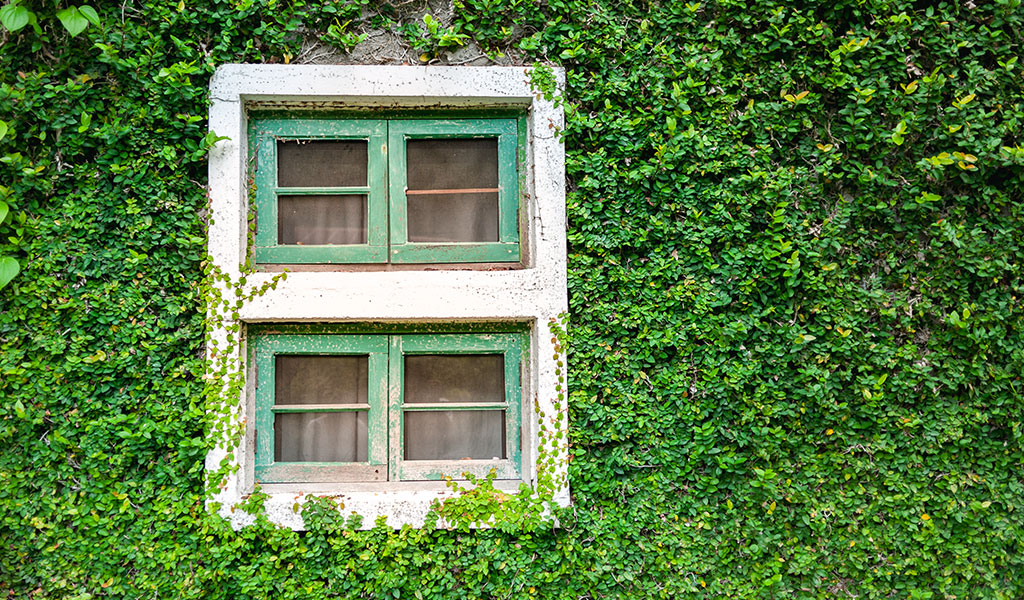
1. Choosing Energy-Efficient Windows

When you’re on the hunt for ways to green your home, don’t overlook the windows. Believe it or not, energy-efficient windows can make a big difference in your home’s overall energy consumption.
To understand how energy-efficient windows function, let’s break down their components:
- Multiple Panes: Energy-efficient windows usually have two or three panes of glass instead of one. The space between those layers provides insulation.
- Low-E Glass: This type of glass is coated with thin metallic particles that reflect heat back to its source.
- Gas Fills: Some high-efficiency models use non-toxic gases like argon or krypton between panes for better insulation.
When shopping for new energy-efficient windows, focus on their performance metrics:
| Metric | Importance |
|---|---|
| R-Value | Indicates how well a window resists heat flow; higher values mean better insulation |
| U-Factor | Measures rate of heat transfer; lower values signify superior performance |
| Solar Heat Gain Coefficient (SHGC) | Assesses how much solar radiation gets through; lower coefficients suggest better blocking capabilities |
2. Maximizing Natural Light

You’d be surprised to know how much natural light can transform your home. Not only does it create a warm and inviting atmosphere, but it’s also key in reducing your energy consumption. Here are some tips on how you can maximize the natural light in your home.
Firstly, let’s talk about window placement. Your windows play a massive role in directing sunlight into your house. East-facing windows allow morning sun to fill up your space, while west-facing ones welcome the afternoon glow. So, when planning for new windows or renovations, consider which direction they’ll face.
Next up is window treatments. You might love those heavy drapes for their elegance or blackout abilities, but they aren’t doing you any favors when it comes to utilizing natural light. Opting for lighter curtains or blinds that can be easily adjusted allows more of the sun’s rays to filter through.
Your color scheme also plays a part in maximizing natural illumination. Light colors reflect sunlight better than dark ones do – giving off an illusion of brighter spaces even with minimal lighting sources around.
Mirror placements shouldn’t be overlooked either! Mirrors reflect and bounce light around rooms making them appear more lit and spacious than they actually are.
Lastly, keep those windows clean! It sounds obvious but dirty windows block sunlight significantly more than you’d think!
3. Enhancing Insulation
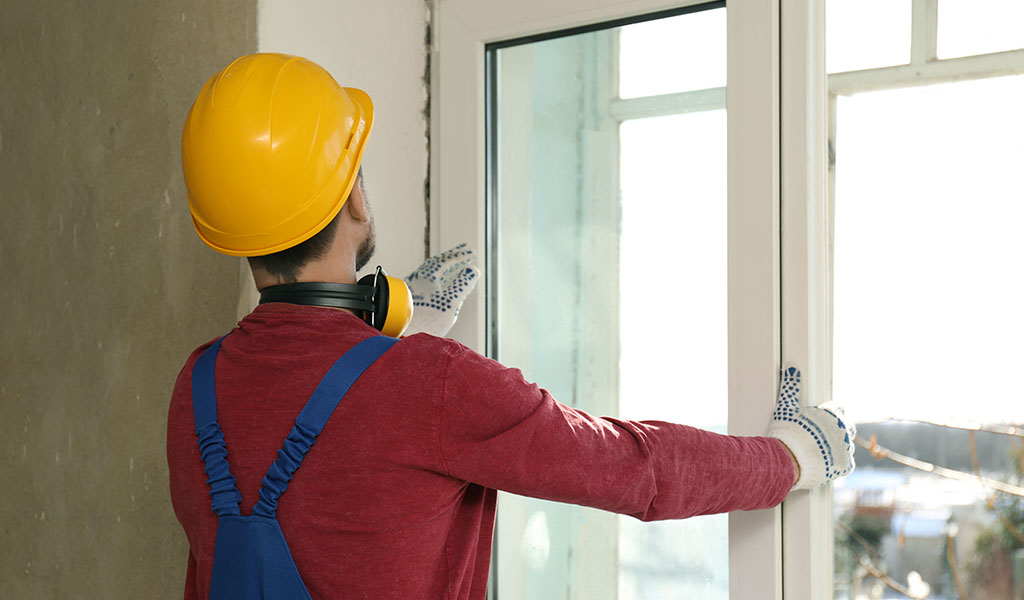
Insulation is crucial for energy efficiency and can be enhanced at windows through several methods. Window films provide an extra layer of insulation, reduce heat transfer by up to 50%, decrease glare, and block UV rays.
Thermal curtains or drapes are designed with insulating material to prevent heat loss or gain. Weatherstripping seals gaps around windows, potentially saving up to 20% on heating and cooling costs according to the U.S Department of Energy.
Lastly, double- or triple-glazed windows offer superior insulation capabilities for long-term savings on energy bills. These measures cater to different budgets and needs but all contribute positively towards cost savings and environmental conservation.
4. Preventing Air Leaks
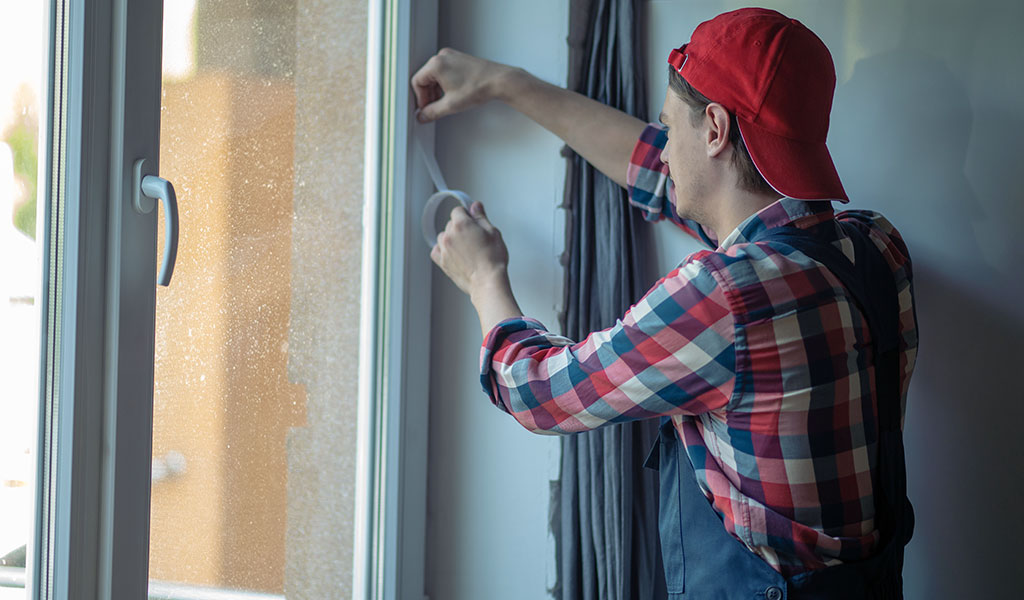
Air leaks around home windows can cause significant energy waste, but there are several solutions to address this. The U.S Department of Energy states that reducing drafts could lead to 5% to 30% annual energy savings.
Weatherstripping is a cheap and effective method for sealing gaps and cracks in movable window parts. Window insulation kits, which include plastic shrink film applied to indoor window frames, can also reduce air leakage.
For older single-pane windows, storm windows provide extra protection and improve insulation. Lastly, caulking remains an effective method for sealing non-moving parts of windows. Implementing these measures enhances the energy efficiency of your home while also saving money.
5. Incorporating Eco-Friendly Features
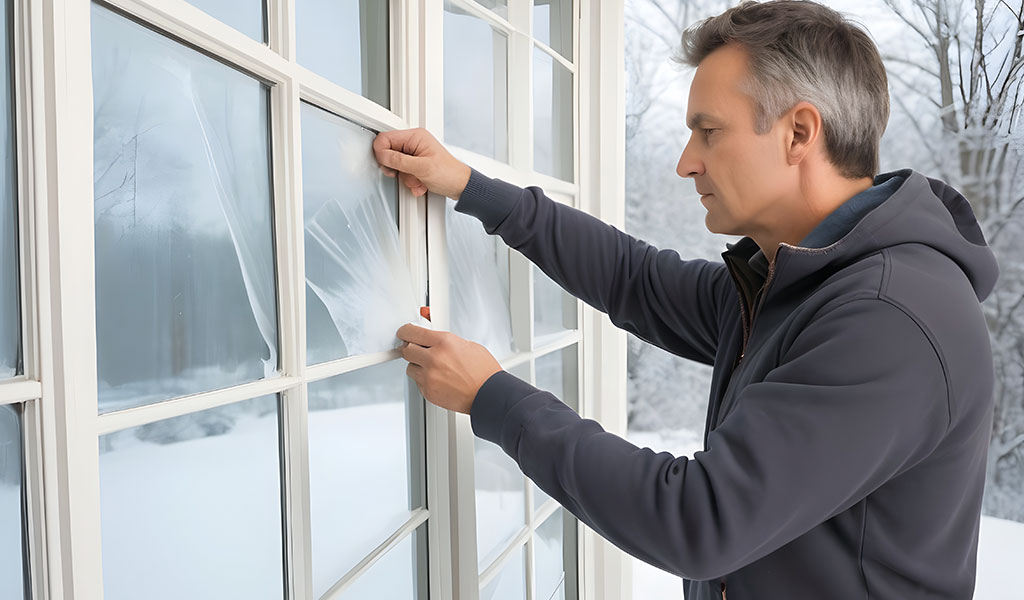
The text suggests several ways to make windows more eco-friendly, including replacing older models with double-glazed ones to reduce heat loss and save on energy bills. Using trees for natural shade in summer can lessen the need for air conditioning.
Applying window film to existing windows can block UV rays or provide insulation against winter cold. Installing solar shades or blinds can help absorb and reflect sunlight during hot summer days while window quilts provide insulation during cold winter nights. The average energy savings from these features range from 5% to up to 25%.
6. Maintaining Windows for Longevity
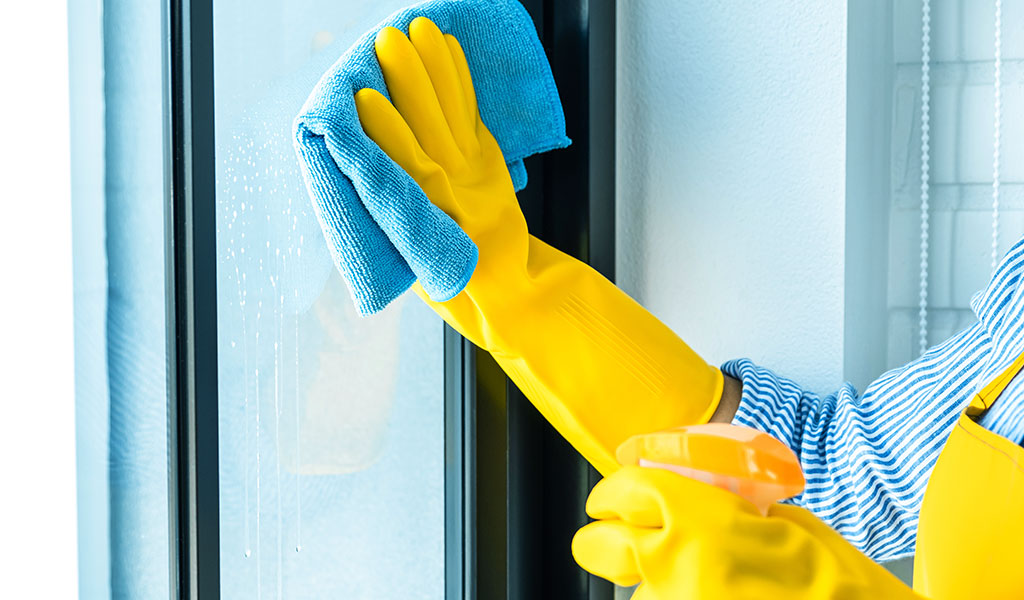
Keeping your windows in top shape isn’t as tricky as it might seem. With a bit of care and attention, you can ensure they serve you well for years to come. Let’s delve into some tips on how to maintain your home windows for longevity.
Regular Cleaning
Regular cleaning is essential. Dust and grime buildup not only dulls the look of your windows but also affects their functionality over time.
Use a mild detergent mixed with warm water and gently scrub away any dirt and debris from both inside and out. Make sure you’re paying special attention to the corners where dirt tends to accumulate.
Proper Insulation
Remember that proper insulation goes a long way in preserving your windows’ lifespan. Over time, window seals can weaken or break down, leading to drafts or leaks when it rains. Regular checks will help spot any seal deterioration early on so you can replace them promptly.
Repairs
Don’t ignore minor damages like chips or cracks; these small issues can quickly escalate if left untreated! If there’s damage beyond what you feel comfortable fixing yourself – don’t hesitate to call in a professional.
Installing Window Films
These thin layers not only protect against UV rays but also add an extra layer of insulation which helps retain heat during winter and cool air during summer months – thus reducing strain on your HVAC system!
7. Utilizing Passive Solar Design

Let’s dive into the world of passive solar design. It’s a game-changer when it comes to greening your home windows. By harnessing the power of the sun, you’re not only reducing your energy consumption but also creating an inviting and comfortable living space.
Now you might be thinking, “Sounds great! But how do I get started?” Here are some pointers:
- Orientation: Your windows should face towards the equator (south in the Northern Hemisphere and north in the Southern Hemisphere). This allows maximum sunlight exposure throughout the day.
- Shading: Install external shades or blinds on your windows to control heat gain during summer months.
- Insulation: Use double-glazed or low-emissivity glass for increased insulation and reduced heat loss.
Does this all sound too technical? Don’t worry! Plenty of architects and builders specialize in passive solar design. They’ll guide you through every step of the process.
8. Investing in Smart Windows

Smart or switchable windows, which allow homeowners to control the amount of light and heat entering their home, are gaining popularity due to their environmental benefits.
These high-tech windows can help reduce reliance on air conditioners during hot months by turning opaque, thereby naturally lowering interior temperatures. Some models also have self-cleaning capabilities that minimize the need for chemical cleaning agents.
Despite a higher upfront cost compared to traditional windows, smart windows could ultimately save money by reducing energy costs by up to 20%. Therefore, investing in these environmentally friendly and practical upgrades is considered beneficial in the long run.
9. Harnessing Ventilation Strategies
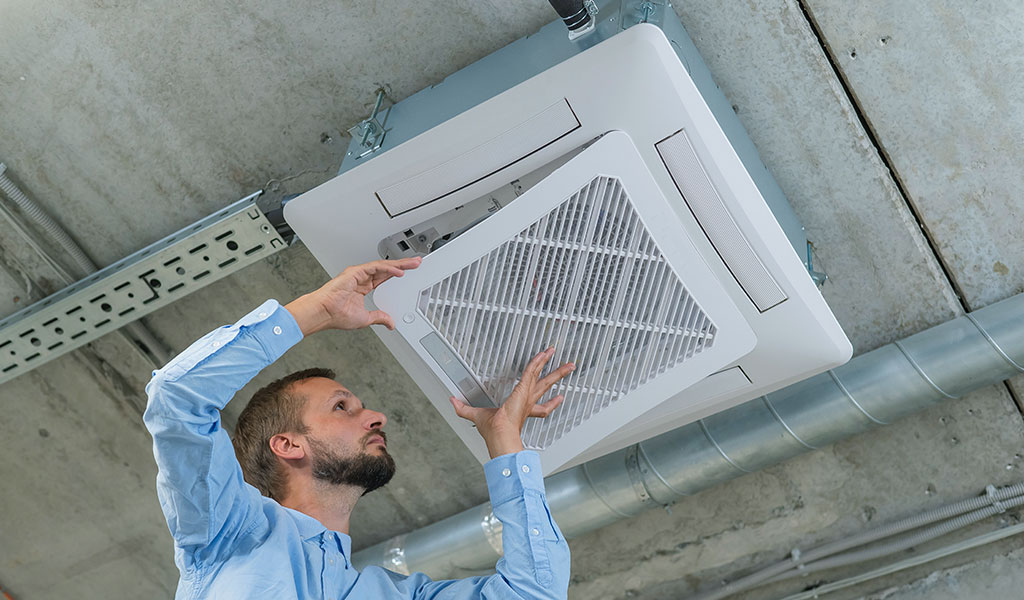
Optimize home ventilation in eco-friendly ways, reducing energy consumption and promoting a healthier living environment.
These methods include cross-ventilation, which uses wind direction to cool homes by opening windows on opposite sides; natural night cooling, using cooler evening temperatures by opening windows after sunset; and ventilated window shades that allow fresh air while blocking sunlight.
The article claims these practices can save significant amounts of energy: cross-ventilation (10-50%), night cooling (30-60%), and window shades (20-70%). It encourages readers to adopt these small changes for long-term impact.
10. Incorporating Indoor Plants
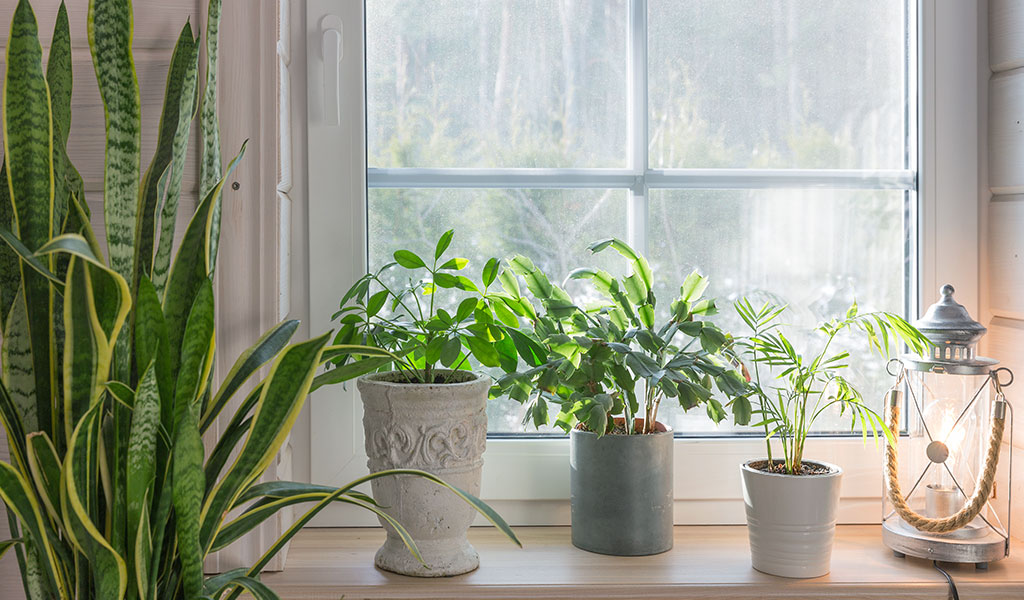
Indoor plants don’t just spruce up your home’s aesthetics, they’re also champions when it comes to energy efficiency.
They can help regulate the temperature in your house and reduce reliance on artificial cooling or heating. Let’s dive deeper into how these green buddies can benefit you.
Plants have a knack for absorbing sunlight, which can naturally cool down your room during hot summer days.
Spider plants, English ivy, and Aloe Vera are some examples of sun-loving plants. Not only do they filter harmful radiation, but they also add a refreshing touch to your interior decor.
Here is a quick list of top five air-purifying indoor plants:
| Plant Name | Toxins Removed |
|---|---|
| Peace Lily | Ammonia, Benzene, Formaldehyde |
| English Ivy | Benzene, Toluene |
| Boston Fern | Formaldehyde,Xylene |
| Spider Plant | Formaldehyde,Xylene |
| Bamboo Palm | Benzene,Toluene |
11. Eco-Friendly Window Installation Practices
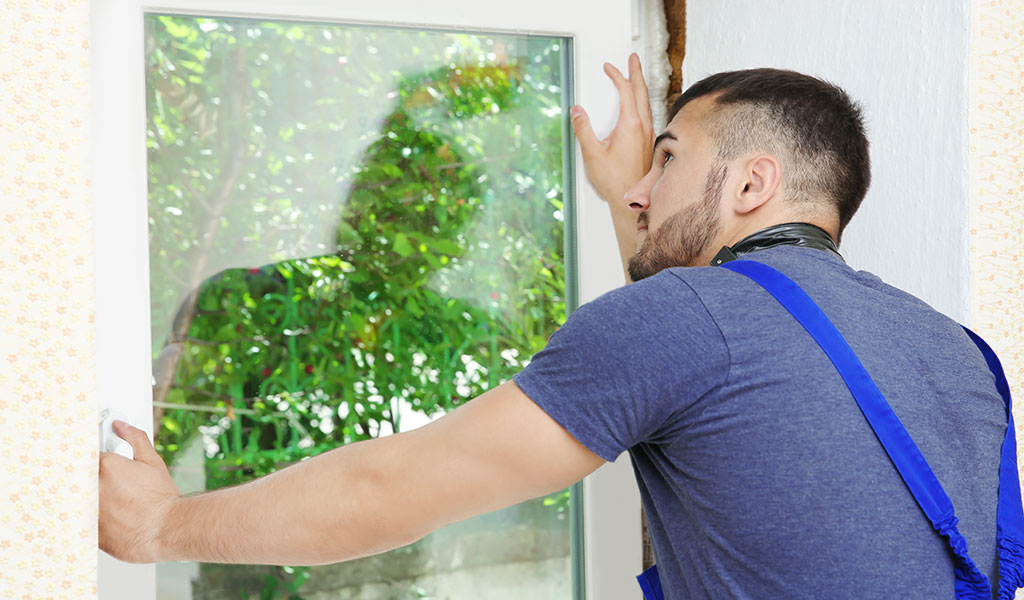
Adopting eco-friendly window installation practices can help reduce carbon footprint and save on energy costs.
This includes opting for double or triple glazed windows for improved insulation, selecting frame materials such as sustainably sourced timber or recycled aluminum or vinyl.
Reusing old windows in DIY projects instead of discarding them, and ensuring proper installation techniques to avoid drafts and heat loss. These steps contribute to sustainable living and the preservation of the planet.
12. Seeking Professional Guidance

Deciding to make your home windows eco-friendly is a commendable step, but can seem challenging. Professionals offer valuable knowledge and expertise in the latest green technologies and materials that can help ease the process.
They can provide advice on options like energy-efficient window films and well-insulating window frames tailored to your needs and budget.
Seeking professional guidance doesn’t equate to giving up control over your project; it aids in making informed decisions for an environmentally friendly space that mirrors your values.
Greening home windows is an investment contributing to a healthier planet and potential long-term energy savings.
Conclusion
This guide provides information on how to create more energy-efficient home windows. Measures include sealing window leaks, using window films, and investing in energy-saving blinds or curtains.
Maximizing natural light can also reduce dependence on artificial lighting. Replacing old windows with higher energy-rated ones offers long-term savings despite initial costs.
Implementing these tips will result in a sustainable living environment and lower energy bills. The potential savings range from 5% (using window films) to 30% (replacing old windows). Sharing this knowledge is encouraged for wider sustainability efforts.

