Greening your home doesn’t stop at recycling and composting. You’ve got more options to make your space eco-friendly, and they’re as solid as stone––literally!
The materials you choose for your floors, countertops, and walls can have a significant impact on the environment.
That’s where stone and tile come in. Both of these materials are notable for their durability, aesthetic appeal, and most importantly, their green credentials.
But even so, there’s still room for improvement. That’s why we’ve put together these nine tips to help you green your stone and tile at home.
Whether you’re building a new house or renovating an older one, it’s essential to consider the environmental footprint of every purchase decision you make––and that includes picking out stone and tile.
With our guidance, you’ll be able to bring sustainability into every corner of your home while maintaining its beauty.

Importance of Greening Your Stone and Tile
You’ve probably heard it over and over again: being environmentally friendly is important. But when it comes to your home’s stone and tile, you may be wondering what “going green” really means. Well, let’s dive into why this matters.
Firstly, consider the materials used in traditional stone and tile products. They’re often not renewable, meaning we’re depleting earth’s resources at a faster rate than they can regenerate.
By choosing eco-friendly alternatives like recycled glass or reclaimed stone, you’re helping to reduce demand for new materials and therefore cutting down on resource depletion.
Secondly, think about the manufacturing process. It requires energy – a lot of it! This energy typically comes from fossil fuels which contribute to air pollution and climate change.
However, when you opt for ‘green’ products made with sustainable practices, you’re supporting companies that prioritize energy efficiency thus reducing your carbon footprint.
Lastly but not least importantly is indoor air quality. Traditional products can sometimes release harmful chemicals known as VOCs (Volatile Organic Compounds) into your home’s air leading to health issues such as headaches or allergies.
On the flip side, eco-friendly stones and tiles are generally non-toxic ensuring safer indoor environments for you and your family.
So while greening your stone and tile might seem like a small step towards sustainability – remember every little bit counts!
By making these choices for your home you’re contributing not only to environmental conservation but also creating healthier living spaces.
9 Tips to Green your Stone and Tile in your Home
Looking to make your home more eco-friendly? Let’s start with your stone and tile. Here are nine handy tips you can use to green up these essential aspects of your home.
1. Choose Natural Stone
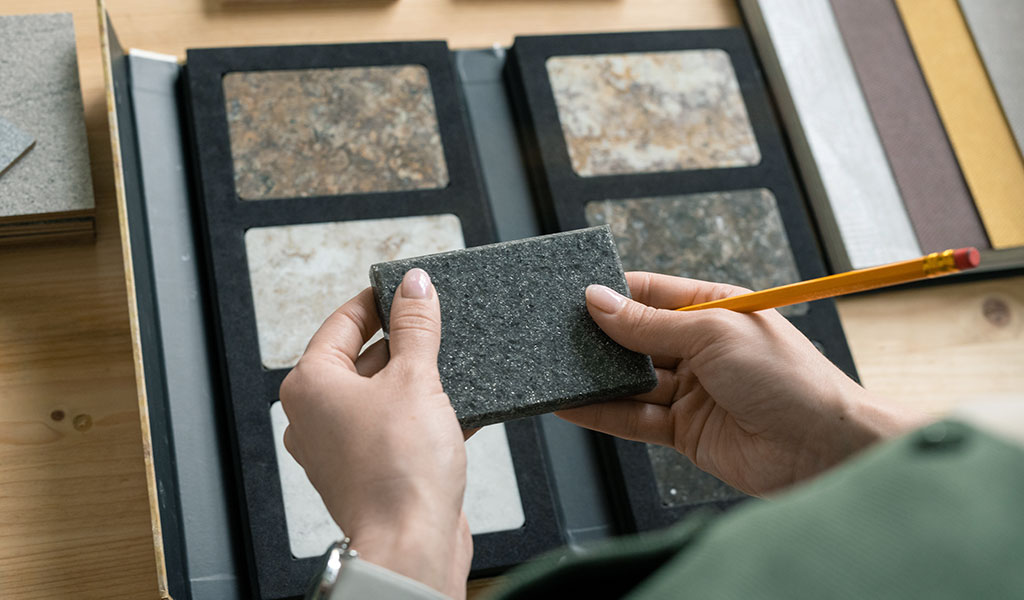
Opt for natural stone like granite, marble, or slate. They’re not only durable but also require less energy to produce compared to synthetic materials.
2. Go for Recycled Materials
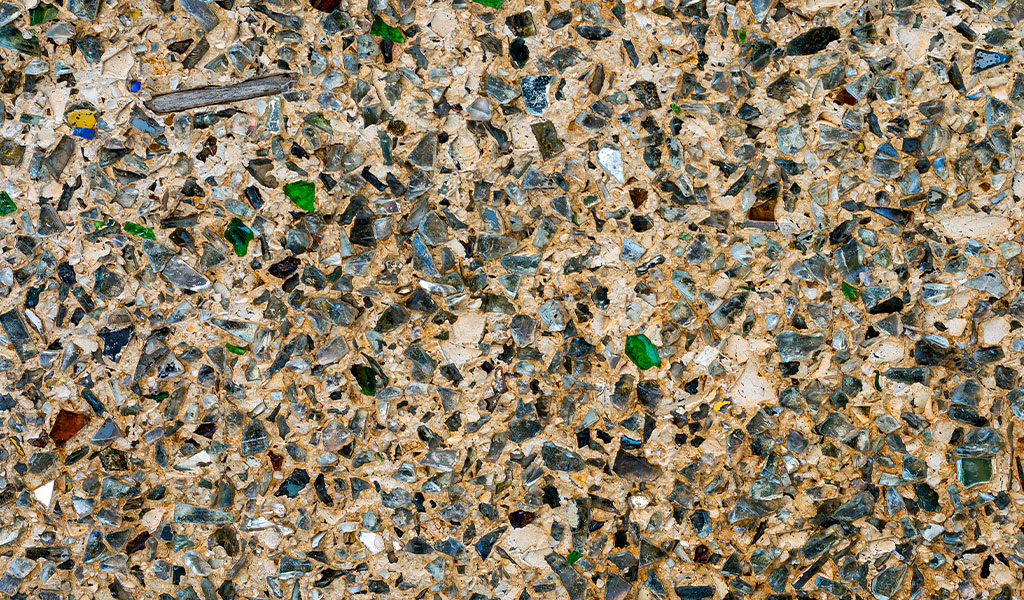
Consider tiles made from recycled materials such as glass or ceramic. These products reduce waste and often come in a wide range of colors and styles.
3. Use Eco-Friendly Cleaners
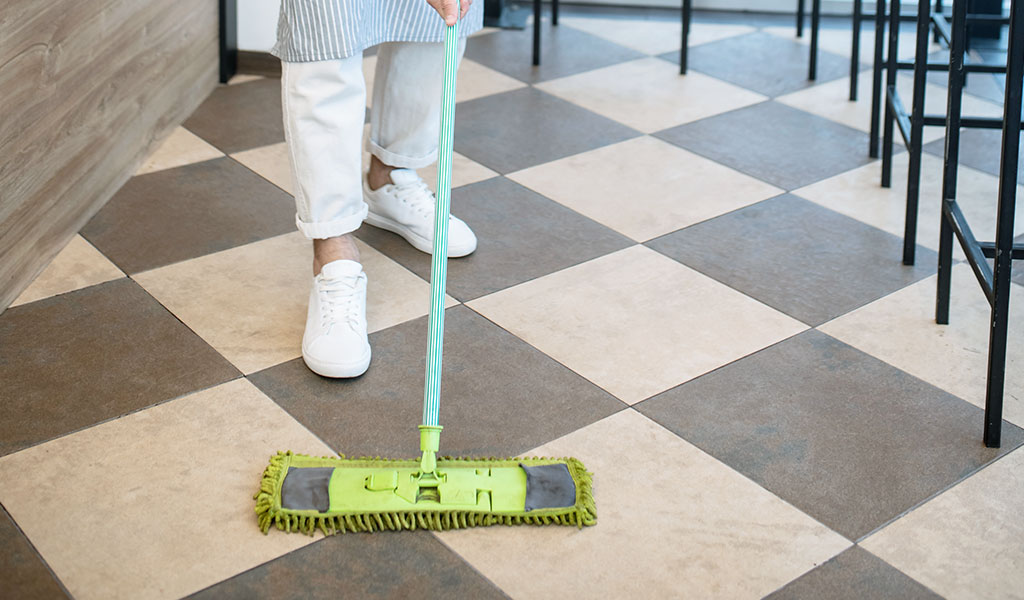
Swap out harsh chemical cleaners with greener alternatives. Look for products that have low VOCs (Volatile Organic Compounds) which cause less harm to the environment.
4. Seal Your Tiles Properly
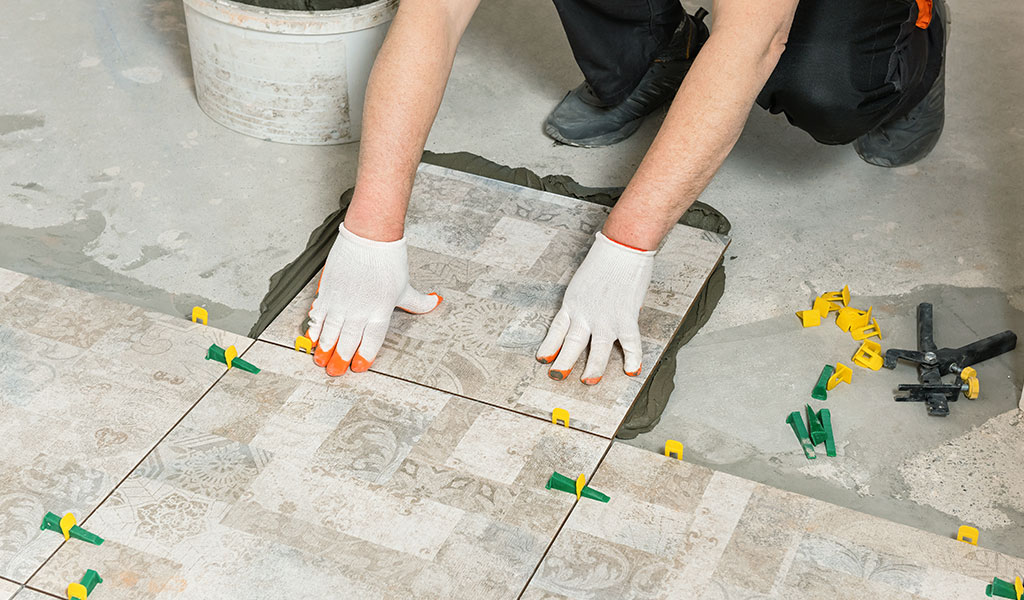
Sealing your tiles reduces the need for frequent cleaning, therefore saving water over time.
5. Optimize Energy Efficiency
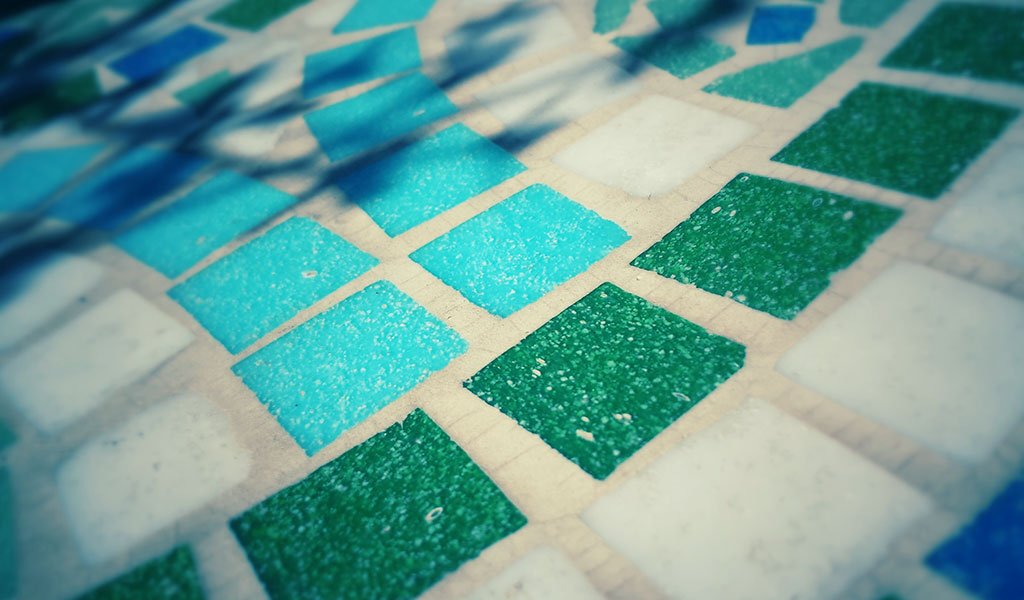
Install underfloor heating systems beneath stone or tile flooring for increased energy efficiency during colder months.
6. Select Locally Sourced Materials
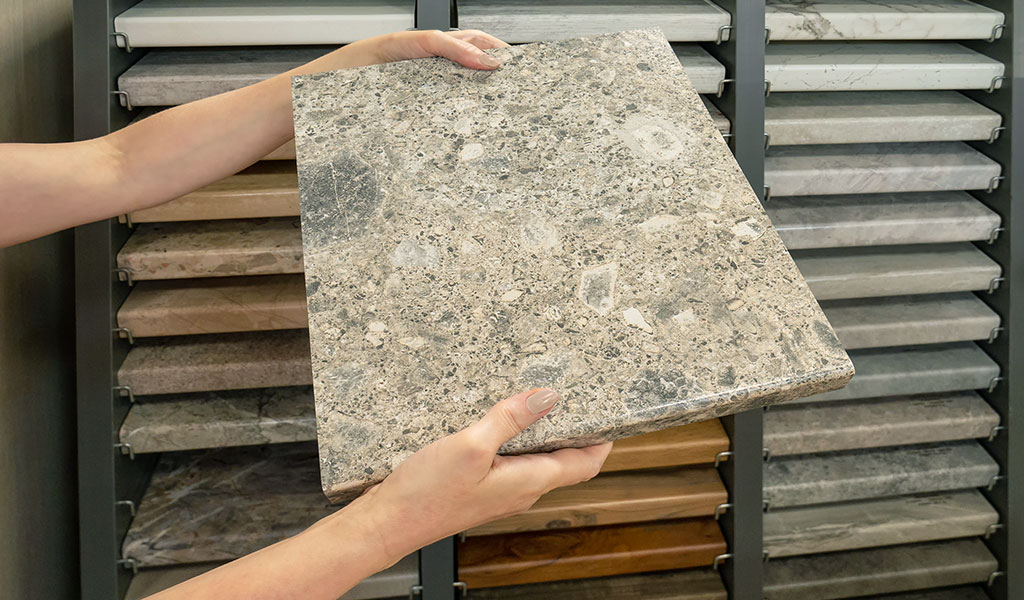
Reduce the carbon footprint by choosing locally sourced stones and tiles instead of imported ones.
7. Check Certifications
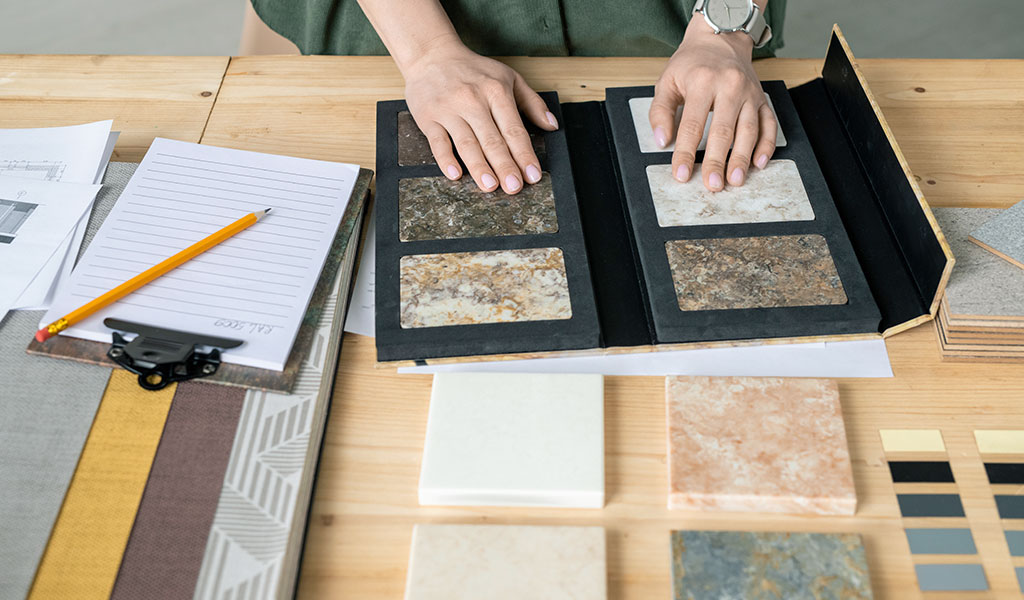
Choose manufacturers who follow responsible sourcing practices and hold reputable environmental certifications such as LEED (Leadership in Energy and Environmental Design).
8. Maintain Regularly
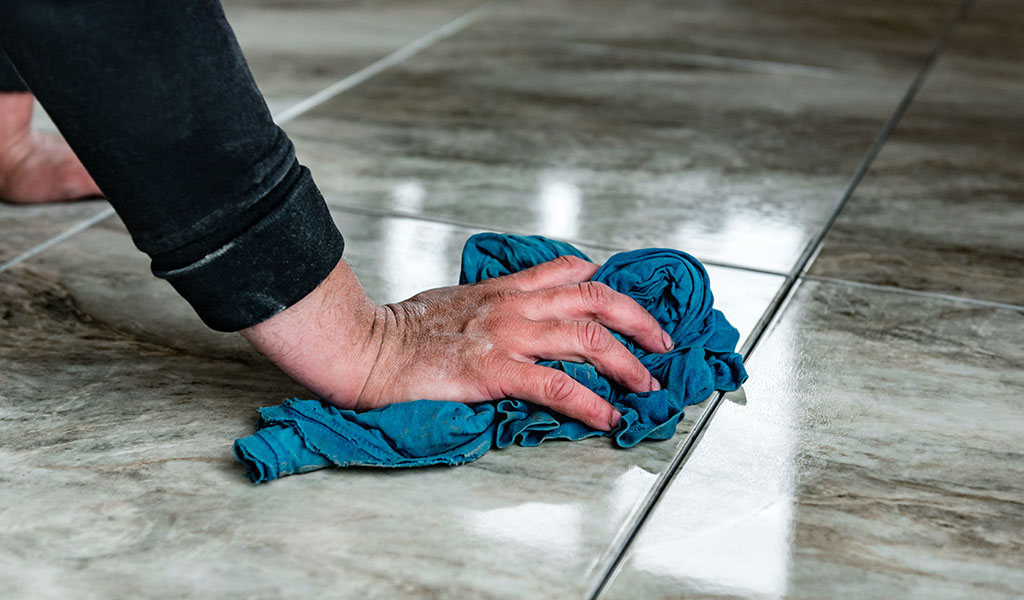
Regular maintenance can extend the lifespan of your stone and tile, reducing overall waste produced by replacements.
9: Reuse Old Tiles
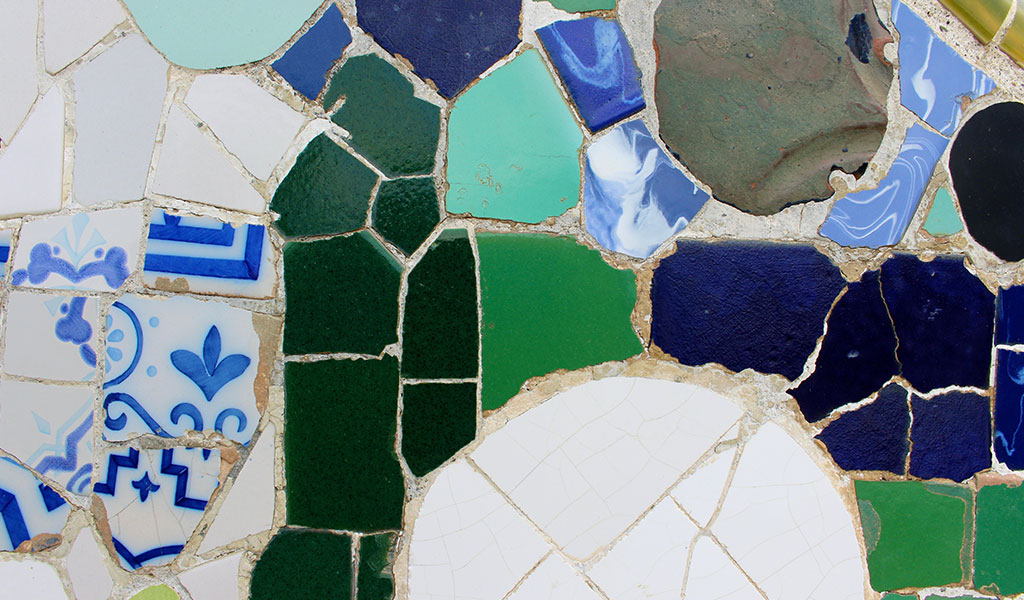
Before ripping out old tiles consider reusing them elsewhere in the home, like outdoor patios or walkways – another great way to minimize waste!
By following these tips, you’ll be on track towards creating a more sustainable living space with healthier indoor air quality while contributing positively towards our planet’s well-being.

