Green roofs, also known as living roofs, have been gaining popularity in the United States after being respected in Europe for decades.
These innovative roofing systems, designed to grow plants and vegetation, offer a host of benefits making them a compelling choice for homeowners.
Choosing between extensive and intensive green roofs is a crucial part of the decision-making process.
Extensive green roofs are shallow, adorned with low-growing plants, and utilize between 2 and 6 inches of growing media. As you ponder whether a green roof is right for you, understanding these concepts can be incredibly beneficial.
Green Roofs Defined
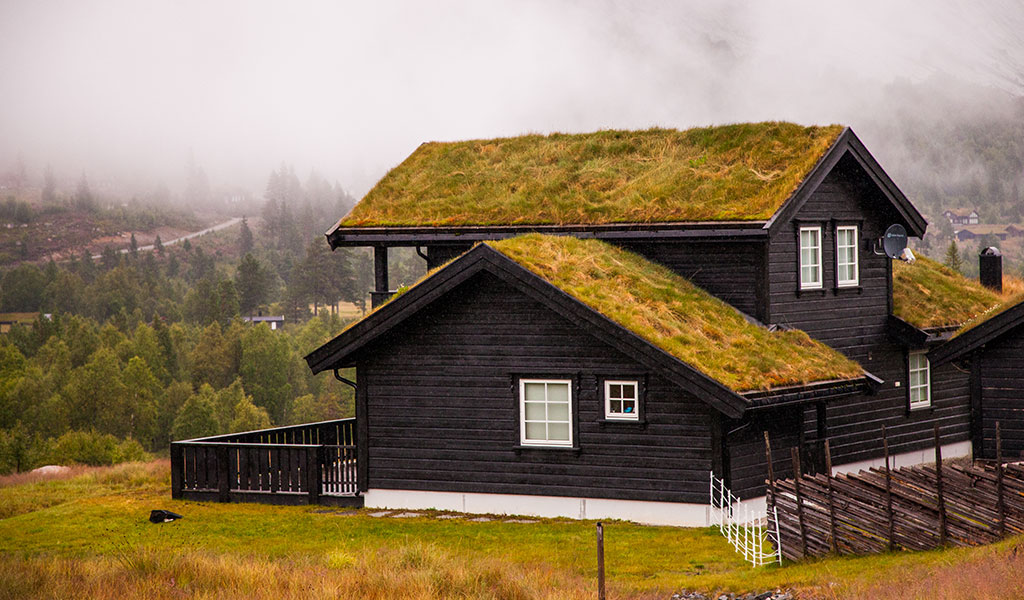
A green roof, also known as a ‘vegetated’ or ‘living’ roof, is an extension of an existing structure created by overlaying the traditional roof with materials such as waterproof root repellent system, drainage system, filter cloth, lightweight growing medium and plants.
It can be applied to various spaces and offers two types of systems – modular and loose laid or built-up system.
The modular green roof involves movable interlocking grids pre-prepared with necessary layers while the loose laid or built-up system allows each component to be installed separately for customization.
This environmentally-friendly roofing option is gaining popularity worldwide for its multiple benefits including rainwater absorption.
Benefits of Green Roofs
Green roofs offer a wide array of advantages at economic, ecological, and societal levels. This part of our discussion will highlight some of these remarkable benefits to help you weigh your options.
Provides a Rainwater Buffer

One of the benefits of a green roof system is its ability to act as a rainwater buffer. Traditional roofs swiftly channel rainwater into drains and sewers.
However, green roofs slow down this process, absorbing rainfall and then slowly releasing it. This reduces the stress on sewer systems, lessens the risk of flooding and helps to sustain fresh water resources.
Purifies the Air
Plants are nature’s air cleaners and with a green roof, you’re effectively raising the number of these natural air purifiers. They soak up carbon dioxide and release oxygen, leading to better air quality. Also, plants can filter out particulate matter from the air, contributing to a healthier living environment.
Reduces the Ambient Temperature
Everyone knows the feeling of stepping onto a scorching pavement on a hot day. Traditional roofing materials can make your home feel like this pavement, absorbing and radiating heat. A green roof changes this by acting as a blanket, insulating your home from the hot sun, and causing it to absorb less heat.
Increases Solar Panel Efficiency
Combining solar panels with a green roof surprisingly boosts the efficiency of solar panels. The cooling effect from the plants can help to maintain the temperature of the solar panels, thus improving their performance.
Reduces Ambient Noise
Green roofs have the ability to absorb sound from the outside environment. Reduced noise pollution isn’t always the first benefit people think of when considering green roofs, but it’s indeed a notable one.
Extends Life Span of Roof

A green roof could more than double the life of your roof layers. The extra layer of vegetation protects the waterproofing membrane on your roof from the elements (UV radiation, wind, and temperature fluctuations), thus extending its lifespan.
Adds Value to the Building
Green roofs enhance the appeal as well as the function of buildings, potentially increasing property values. Nature and green spaces are known to appease and attract people, and a green roof system is no different.
Increases Biodiversity
A green roof forms a crucial habitat for feeding and breeding for a wide variety of wildlife, including butterflies, bees, and birds. By choosing to build a green roof, you’re encouraging biodiversity in urban spaces where greenery is limited.
Creates Fire-resistant Layer
As long as they are well-irrigated, green roofs provide a natural fire-resistant layer for buildings.
Increases the Feeling of Well-being
Green spaces can exert positive effects on mental health and well-being. Although more studies need to be done to measure this impact, it’s clear that people are generally happier in green environments than in grey ones. Encouragingly, a green roof may have similar impacts.
By considering the above benefits, you’re one step closer to making an informed decision on whether a green roof is a suitable option for you.
Types of Green Roofs
When deploying a green roof, the types you’ll encounter typically fall into one of three categories: extensive, semi-intensive, or intensive. Each offers distinct characteristics and benefits which we’ll delve into next.
Extensive Green Roofs

Extensive green roofs are low-maintenance, lightweight designs with a thin soil layer suitable for hardy, drought-resistant plants. These roofs offer significant ecological benefits and do not compromise the building’s structural integrity due to their minimal weight.
Importantly, extensive green roofs can intercept 15-90% of rooftop runoff depending on the plant cover and growing medium used, providing an economical and sustainable solution that requires little upkeep.
Intensive Green Roofs
Intensive green roofs are akin to full gardens, requiring deep soil, strong support, and efficient irrigation. They are costly but beneficial for garden lovers and the environment. Building capacity must be assessed due to the weight of these roofs.
They also provide noise reduction and enhance building marketability. Semi-intensive green roofs are a middle ground between extensive and intensive types with slightly deeper soil. The choice of green roof type is based on resources, maintenance commitment, aesthetics, and all contribute towards sustainability.
Considerations Before Installing a Green Roof

Whether you are eyeing an extensive, semi-intensive, or intensive green roof, there are crucial factors to take into account. Here are some significant considerations to make when contemplating installing a green roof.
Structural Support
Green roofs require more structural support than traditional ones due to the added weight of the vegetation layer, increasing the weight load by 50-200kg per square meter.
Buildings may need retrofitting to handle this extra pressure, especially if they were not originally designed for it. Therefore, consulting a structural engineer is necessary before installing a green roof to ascertain if the building can bear the additional load.
Let’s put things in perspective.
| Roof Type | Average Weight Load Increase (kg/m^2) |
|---|---|
| Traditional Roofs | 0 |
| Green Roofs | 50 to 200 |
While the cost of reinforcing the structure might initially seem steep, remember to factor in the long-term savings. Green roofs have the potential to lower heating and cooling costs, extend the life of your roof membrane, and improve your building’s market value.
Maintenance Requirements
Green roofs require varying degrees of maintenance depending on their type. Extensive green roofs, which typically feature low-maintenance, drought-resistant plants like sedums and grasses, are ideal for those who prefer a hands-off approach.
In contrast, intensive green roofs contain diverse vegetation such as trees and shrubs that need regular upkeep and irrigation to maintain the roof’s overall health.
While these offer more possibilities, they also increase the roof’s overall cost due to the additional maintenance required. It’s crucial to consider local weather conditions in planning your roof as climate greatly affects plant choice and necessary care levels.
Is a green roof right for you?
Placing a garden on your roof isn’t as straightforward as you may think. Ensuring your home is a green roof candidate boils down to several key factors. Firstly, the slope and location of your roof play a pivotal role.
If your roof is flat or has a slope of no more than 30 degrees and gets a fair bit of sun throughout the day, you’re on the right track.
Regard weight as a significant factor when installing a green roof. Conventional roofs bear a lighter burden compared to green counterparts. With the addition of soil, especially after a rainstorm, the weight can stretch to about 20lbs per square foot.
Integrating solar panels and a green roof could be an ingenious solution for homeowners looking to adopt the green living lifestyle, without having to compromise. It’s been found that the two can offer a symbiotic relationship in which each enhances the other’s effectiveness.
However, the costs of these installations can vary considerably:
| Installation Type | Cost range |
|---|---|
| Green roof | $2,000 |
| Solar System | $25,000 – $45,000 |
Cost assessment will be another key factor in your decision-making process.
Perhaps it’s time for you to turn the drumming of summer rain on your rooftop to your advantage. Using the rains and the space, you could cool the air, cleanse the water, and enhance plant life right above your head.
Frequently Asked Questions
How long does it take to install a green roof?
Installing a commercial green roof typically takes a few days to a week, depending on the complexity of the design and the size of the roof.
Where are green roofs most popular?
Green roofs are considerably popular in US cities like Washington, D.C., Chicago, Philadelphia, and New York City. These cities offer financial incentives for green roof installations. The concept of “green” in roofing has almost doubled since 2008 with over 17.5 million square feet of roofs considered green.
Why aren’t green roofs popular?
Green roofs might not be popular due to potential water pollution and upfront cost concerns. Some believe that green roofs could contribute to the over-nutrification of neighboring aquatic ecosystems with unabsorbed water being diverted from cities into local ecosystems.
What are the downsides of a green roof?
The primary downside of a green roof is the cost of installation. Green roofs generally cost more than traditional roofs because they may require underlying structural reinforcement to cope with the extra weight load.
Why do green roofs cost so much?
The cost of green roof installation is affected by various factors like location/climate, quality of roofing membrane beneath, accessibility of the roof, weight-bearing capacity, construction and installation costs (which vary by contractor), and maintenance costs.
Conclusion
Deciding if a green roof is right for you isn’t just about aesthetics. It’s about weighing the physical attributes of your roof, the sunlight it gets, and the weight it can support.
It’s also about considering the potential for solar panel integration and the cost implications. Remember, a green roof can offer more than just a pleasing view.
It can cool your home, purify your water, and even serve as a mini garden. So, when you’re making your decision, don’t just think about the upfront costs.
Think about the long-term benefits a green roof can bring to your life and your environment. The choice is yours to make, but with the right information, you’re well-equipped to make a decision that suits your needs and aligns with your values.

