Your home’s energy efficiency matters more than you might think. In a world increasingly concerned with sustainability and rising energy costs, ensuring that our homes are truly energy-efficient is not just a luxury but a necessity.
From reducing carbon emissions to saving money on utility bills, the benefits of an energy-efficient home are undeniable. But how do we know if our homes truly meet the mark?
Here, we will deal with the key indicators of energy efficiency. Thus they will uncover signs of inefficiency and offer practical solutions to transform our living spaces into energy-saving havens.
So, let’s go through this journey to discover if your home is truly energy-efficient and how we can make it even better for our planet and our wallets. Stay focused.
How to Know If Your Home Is Truly Energy-Efficient?
Let’s take a look into how you can tell if your home is truly energy-efficient. When it comes to assessing energy efficiency, there are several key signs we should keep an eye out for.
First off, let’s talk about your energy bills. If you notice that your energy bills are consistently high, it could be a sign that your home is not as energy-efficient as it could be.
High energy bills indicate that your home is losing energy somewhere, whether it’s through poor insulation, drafty windows, or outdated appliances.
Speaking of insulation, that’s another important factor to consider. Take a look around your home and check for any signs of inadequate insulation, like drafts or cold spots.
Poor insulation can lead to heat loss in the winter and heat gain in the summer. So, it is harder for your home to maintain a comfortable temperature without constantly running your heating or cooling system.
Next, let’s talk about your heating and cooling system. If your HVAC system is old or outdated, it could be using more energy than necessary to heat or cool your home.
Additionally, if you notice that your system is constantly cycling on and off or struggling to maintain a consistent temperature, it could be a sign that it’s not running as efficiently as it should be.
Another thing to consider is your lighting. If you’re still using incandescent light bulbs throughout your home, you’re likely wasting a significant amount of energy.
If you switch to energy-efficient LED bulbs, it can really help lower your energy consumption and save you money in the long run.
And finally, consider the age and efficiency of your appliances. Older appliances tend to be much less energy-efficient than newer models. So, if your appliances are more than 10 years old, it might be time for an upgrade.
10 Tips on Making An Energy-Efficient Home
Now, let’s come to the core point of how to make your home more energy-efficient. The following ways are more convenient and cost-effective. You can try them without any hassles.
1. Seal all Drafts

Picture this: it’s a chilly winter evening, and you’re bundled up on the couch with a hot cup of cocoa. But wait, what’s that? A sneaky draft creeping in through the window?
By sealing drafts with weather stripping, caulking, or even draft stoppers for doors, you’re essentially closing the door on energy loss. These little gaps might seem insignificant, but they can add up to a significant increase in your energy bill.
By sealing them up tight, you’re keeping the warm air in during winter and the cool air in during summer, reducing the strain on your heating and cooling systems and saving you money in the long run.
2. Upgrade to LED Lighting
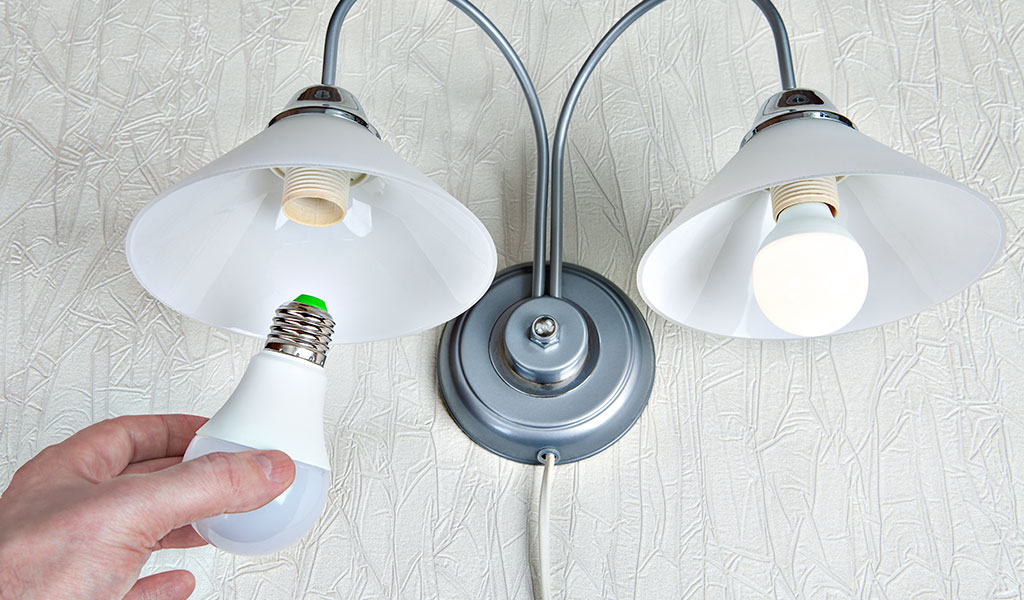
Remember those old incandescent bulbs that burned out faster than you could say “energy bill”? Say goodbye to them and hello to LEDs, the superheroes of the lighting world.
LEDs use significantly less energy than traditional bulbs, which means they not only last longer but also save you money on your electricity bill. Plus, they emit very little heat compared to incandescent bulbs, making them safer and more energy-efficient.
With LEDs, you can light up your home without worrying about excessive energy consumption or frequent bulb replacements. It’s an investment that pays off in the long term, both for your wallet and the environment.
3. Install Programmable Thermostat
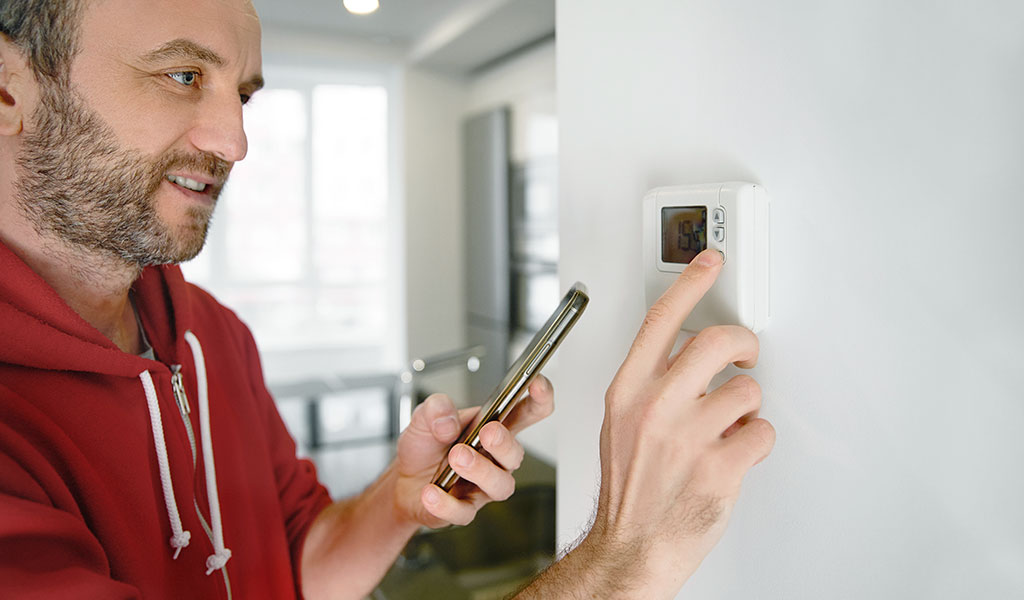
Imagine having a thermostat that knows your schedule better than you do. That’s the magic of a programmable thermostat.
By setting it to adjust the temperature automatically throughout the day, you can optimize your energy usage without sacrificing comfort.
For example, you can program it to lower the temperature when you’re away at work or asleep, and then have it warm up just before you come home or wake up. This way, you’re not wasting energy heating or cooling an empty house.
It’s like having a personal climate control assistant that keeps you comfortable while simultaneously saving you money on your energy bills.
4. Invest in Energy Star Appliances

When it comes to appliances, not all are created equal. Energy Star appliances are the cream of the crop when it comes to energy efficiency.
These bad boys are designed to use less energy without sacrificing performance, which means they can help you save big on your electricity bill.
Whether it’s a fridge, dishwasher, washing machine, or any other household appliance, opting for Energy Star-rated models can make a significant difference in your overall energy consumption.
Plus, many utility companies offer rebates or incentives for purchasing Energy Star appliances, so it’s a win-win for your wallet and the environment.
5. Enhance Insulation
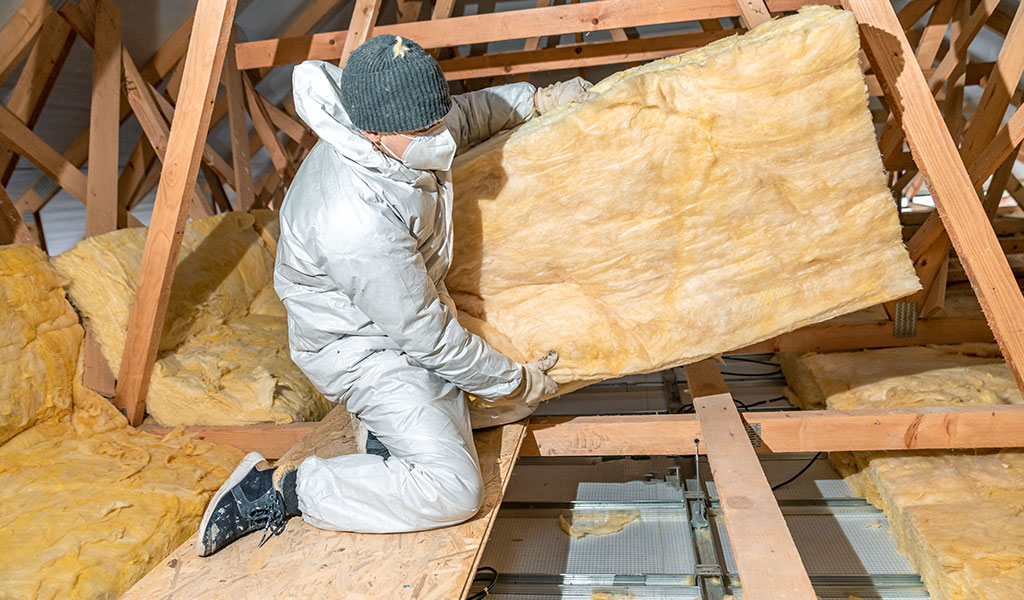
Think of insulation as a cozy blanket for your home. It helps keep the temperature regulated by preventing heat from escaping in the winter and entering in the summer.
By enhancing insulation in your walls, attic, and floors, you’re creating a barrier that reduces the need for constant heating or cooling. This means less strain on your HVAC system and lower energy bills.
Whether you opt for traditional fiberglass insulation, spray foam, or even eco-friendly materials like recycled denim, beefing up your home’s insulation is a smart investment in energy efficiency and year-round comfort.
6. Opt for Solar Panels

Imagine harnessing the power of the sun to fuel your home. That’s the beauty of solar panels. By installing solar panels on your roof or property, you can generate clean, renewable energy right at home.
This not only reduces your reliance on traditional energy sources but also slashes your electricity bill and reduces your carbon footprint.
Plus, many governments and utilities offer incentives, tax credits, or net metering programs to help offset the cost of installing solar panels, making them a more accessible option than ever before.
With solar panels, you’re not just saving money, you’re investing in a brighter, more sustainable future for your home and the planet.
7. Use Energy-Efficient Windows
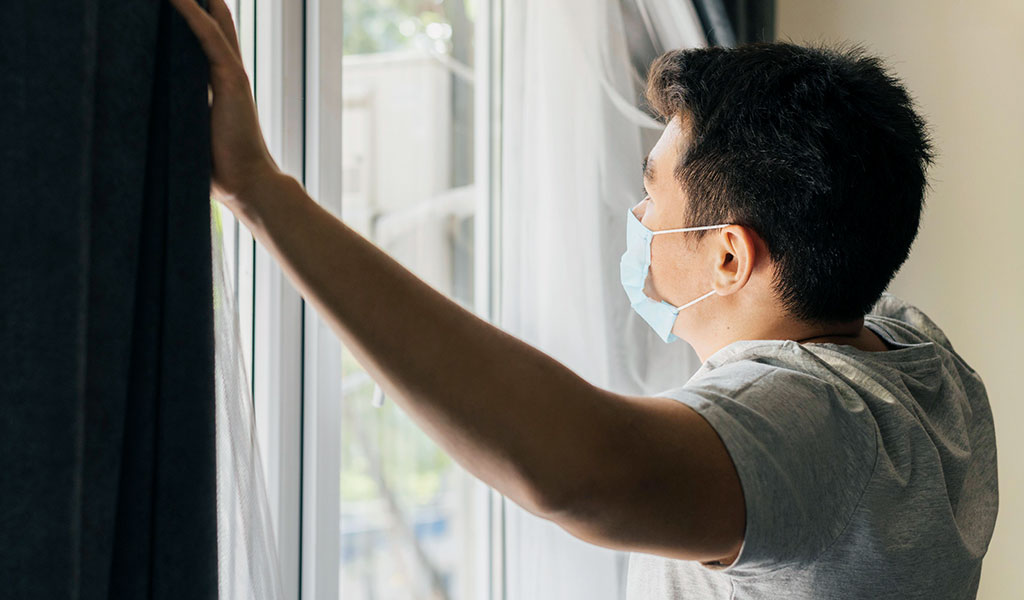
Windows are like the eyes of your home, but they can also be a major source of energy loss if they’re not up to par. Energy-efficient windows are designed to keep your home comfortable year-round by minimizing heat transfer.
They often feature multiple panes of glass, low-emissivity coatings, and insulating gas fills to reduce heat loss in winter and heat gain in summer.
By upgrading to energy-efficient windows, you can significantly improve your home’s insulation and reduce your reliance on heating and cooling systems.
Plus, many energy-efficient windows are also designed to block harmful UV rays, protecting your furniture and flooring from fading over time. It’s a win-win for comfort, energy savings, and home aesthetics.
8. Maintain HVAC System Regularly

Your HVAC system works hard year-round to keep your home comfortable, but it needs a little TLC to stay in top shape.
Regular maintenance, like changing air filters, cleaning ducts, and scheduling professional tune-ups, can help ensure your HVAC system operates efficiently and effectively.
A well-maintained system not only lasts longer but also consumes less energy, saving you money on your utility bills. Additionally, routine maintenance can help identify and address any issues before they escalate into costly repairs or breakdowns.
By investing in regular HVAC maintenance, you’re not just prolonging the life of your system, you’re also maximizing its energy efficiency and minimizing its environmental impact.
9. Utilize Smart Power Strips
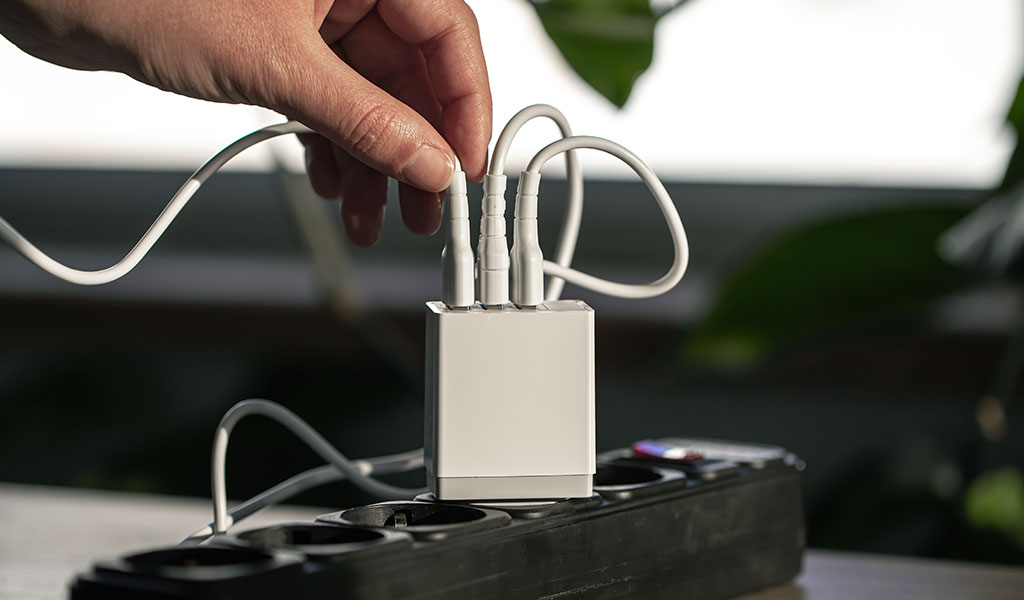
Did you know that even when your electronics are turned off, they could still be sucking up energy? Enter smart power strips to the rescue!
These nifty gadgets work wonders by cutting off power to electronics that aren’t in use, preventing them from leeching energy and driving up your electricity bill.
Smart power strips are equipped with built-in sensors or timers that detect when devices are idle or fully charged, automatically shutting off power to those outlets.
This not only saves energy but also helps protect your electronics from power surges and extends their lifespan. So, whether it’s your TV, computer, or gaming console, using smart power strips is a smart move for both your wallet and the environment.
10. Consider Energy Audit
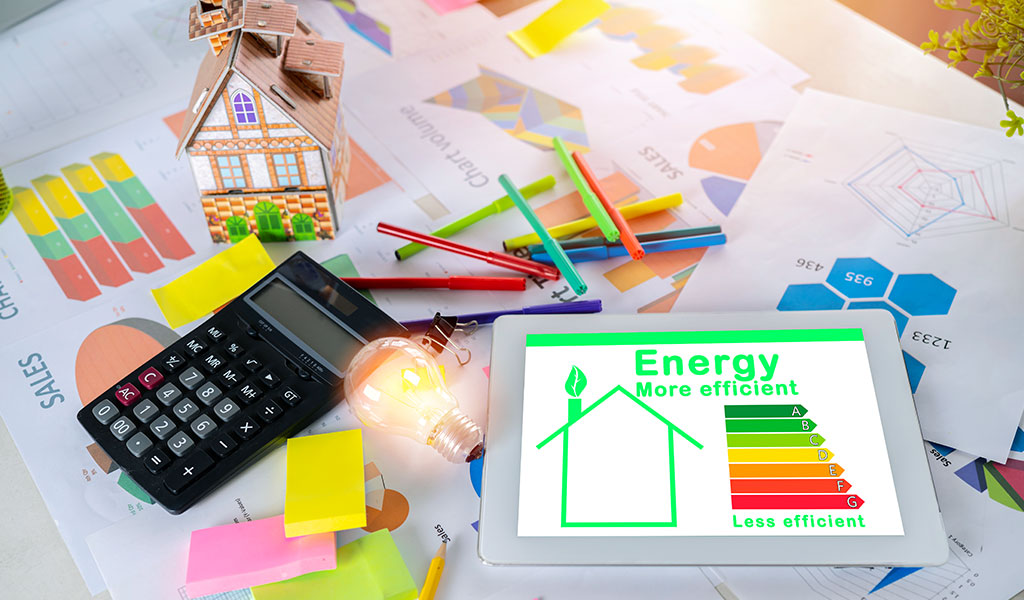
Ever wish you had a magic wand to pinpoint exactly where your home is leaking energy? Well, an energy audit is the next best thing! During an energy audit, a trained professional assesses your home’s energy usage and identifies areas where you could improve efficiency.
This could include everything from leaky ductwork and inadequate insulation to inefficient appliances and lighting fixtures. Armed with this information, you can make targeted upgrades and improvements to maximize energy savings and comfort in your home.
Many utility companies offer energy audits either for free or at a nominal cost, and some even provide rebates or incentives for implementing recommended energy-saving measures.
So, why not take advantage of this valuable resource to make your home more energy-efficient and eco-friendly?
Things to Consider While Making An Energy-Efficient Home
Making your home more energy-efficient not only helps the environment but can also save you money on your energy bills in the long run.
Here are some of the important things to consider as you work towards creating a more energy-efficient living space:
Insulation and Air Sealing
Proper insulation and air sealing are crucial for maintaining a comfortable indoor temperature and reducing energy loss. You should make sure your home is well-insulated, including the walls, attic, and floors.
Additionally, you should seal any air leaks around windows, doors, and other openings to prevent drafts and heat loss.
Energy-Efficient Windows and Doors
Upgrading to energy-efficient windows and doors can significantly improve your home’s energy efficiency by reducing heat transfer and preventing drafts.
You should look for windows and doors with high-quality insulation and multiple panes of glass to minimize heat loss or gain.
Efficient Heating and Cooling Systems
You should invest in a high-efficiency heating and cooling system that is properly sized for your home.
Also, you can consider options like heat pumps, geothermal systems, or ENERGY STAR-certified furnaces and air conditioners. Also, they can help you reduce energy consumption and lower your utility bills.
Energy-Efficient Appliances
When purchasing new appliances, opt for energy-efficient models that have earned the ENERGY STAR label.
These appliances are designed to use less energy without sacrificing performance. So, it can save you some money and reduce your carbon footprint.
Smart Thermostat
You can install a programmable or smart thermostat to efficiently regulate your home’s temperature based on your schedule and preferences.
These thermostats can help you save energy by automatically adjusting the temperature when you’re away or asleep.
Energy-Efficient Lighting
You should replace traditional incandescent light bulbs with energy-efficient LED or CFL bulbs.
These bulbs use significantly less energy and last much longer than incandescent bulbs. Also, they really help you save money on your lighting costs.
Renewable Energy Sources
Consider using renewable energy sources like solar panels or wind turbines to generate electricity for your home.
While the initial investment may be higher, renewable energy systems can drastically reduce or even eliminate your reliance on traditional fossil fuels.
If you consider these factors, you can create a more energy-efficient home that is comfortable, and environmentally friendly.
Wrapping Up
Assessing the energy efficiency of your home is necessary for both your wallet and the environment.
By considering factors like insulation, efficient appliances, and renewable energy sources, you can make informed choices to create a truly energy-efficient living space.
Whether it’s upgrading to energy-efficient windows, or investing in a smart thermostat, every small step counts towards reducing your carbon footprint and saving on energy bills.
So, the effort you put into making your home more energy-efficient benefits you financially. Also, they can greatly contribute to a more sustainable future for all. Thank you very much.

