Water conservation in the bathroom is essential for preserving this precious resource and minimizing our environmental footprint.
In today’s world, where water scarcity is becoming increasingly prevalent, adopting water-saving practices in our daily lives is more important than ever.
From simple habits like turning off the tap while brushing teeth to investing in water-efficient fixtures, there are numerous ways we can reduce water wastage in the bathroom.
Here, we’ll go through 12 effective strategies to save water in the bathroom. By implementing these tips, we can not only lower our water bills but also contribute to the sustainability of our planet.
Let’s dig deep into how we can make a positive impact on water conservation right from our own bathrooms. Stay focused.
Why Is It Important to Save Water in the Bathroom?
Saving water in the bathroom is important for both the environment and your wallet. Let me break it down for you:
Conservation for the Earth
Water is a precious resource, and by saving it in the bathroom, you’re doing your part to conserve it for future generations. Every drop you save adds up to a big difference in the long run.
Conserving water helps protect natural habitats, supports aquatic ecosystems, and ensures there’s enough clean water for everyone. Also, that counts plants, animals, and humans.
Reducing Energy Usage
Did you know that it takes energy to heat water? By saving water in the bathroom, you’re also conserving energy.
When you use less hot water, you reduce the demand on water heaters, which means less energy is needed to heat water.
This not only saves you money on your energy bills but also reduces your carbon footprint. Also, it helps combat climate change.
Financial Savings
Speaking of saving money, using less water in the bathroom can lead to significant savings on your water bill.
Installing water-saving fixtures like low-flow toilets, aerated faucets, and efficient showerheads can help you cut down on your water usage without sacrificing comfort.
Plus, many water-saving upgrades qualify for rebates or incentives, so you might even get some money back for being eco-friendly.
Preserving Water Quality
Conserving water in the bathroom also helps preserve water quality. When we use less water, there’s less wastewater that needs to be treated and discharged back into the environment.
This means fewer pollutants entering our rivers, lakes, and oceans, which helps keep water clean and safe for drinking, swimming, and fishing.
Setting a Good Example
Finally, saving water in the bathroom sets a positive example for others. When your friends, family, and neighbors see how easy and beneficial it is to conserve water. Also, they will be inspired to do the same.
Together, we can make a big difference in protecting our planet’s precious water resources.
12 Effective Ways to Save Water in the Bathroom
In our daily routines, simple changes in the bathroom can lead to significant water conservation. So. let’s explore the following 12 effective ways to save water, from mindful habits to eco-friendly fixtures. Check them out below:
1. Take Shorter Showers
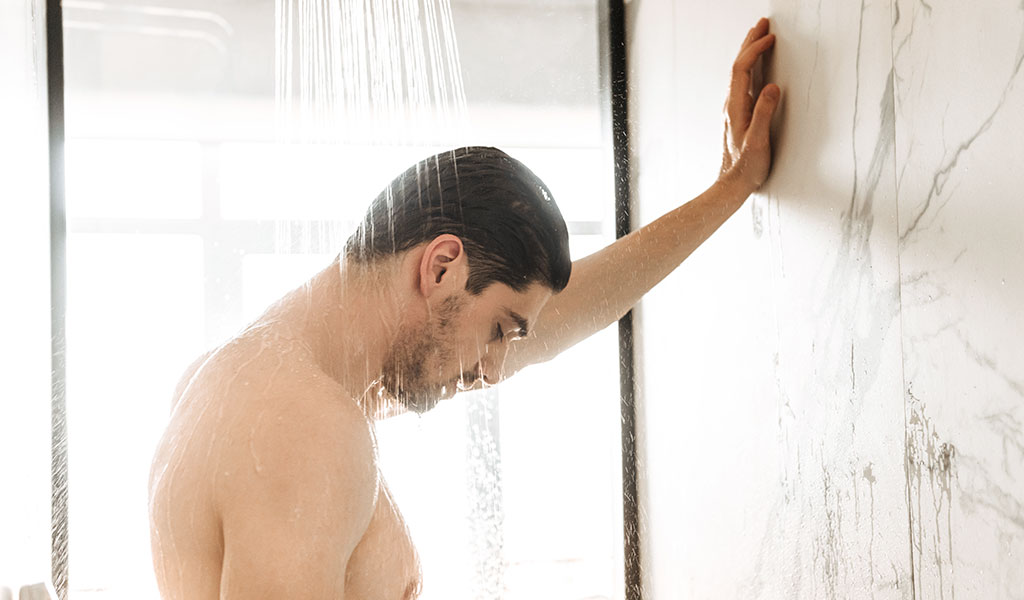
When we take shorter showers, we significantly reduce our water consumption. Think about it: the longer we stay under the spray, the more water flows down the drain.
By cutting down our shower time by just a few minutes, we can save gallons of water each time. One effective technique is to set a timer or use an app to track our shower duration. We can challenge ourselves to finish our shower routine within a set timeframe.
Additionally, while enjoying our shower, we can turn off the water when lathering up or shampooing our hair. These small adjustments add up and help conserve precious water resources.
2. Use Water-saving Showerheads and Shower Timers

Installing water-saving showerheads is a simple yet impactful way to save water in the bathroom. These showerheads work by restricting the flow of water while still providing adequate water pressure for a satisfying shower experience.
By reducing the amount of water that comes out of the showerhead, we can lower our water usage without sacrificing comfort.
Additionally, if we use shower timers in our routine, it will help us keep track of time and avoid lingering in the shower unnecessarily. We can set the timer for our desired shower duration and aim to finish before it goes off.
Together, these tools make it easier for us to conserve water and be more mindful of our usage in the bathroom.
3. Turn Off the Tap When not in Use

One of the simplest yet most effective ways to save water in the bathroom is to turn off the tap when it’s not needed.
Whether we’re brushing our teeth, lathering our hands with soap, or shaving, if we leave the tap running waste gallons of water unnecessarily.
By turning off the tap while we’re not actively using it, we can prevent precious water from going down the drain. It’s a habit that’s easy to adopt and can make a big difference in reducing our water consumption over time.
So, next time you’re brushing your teeth or scrubbing your hands, remember to turn off the tap until you actually need it again.
4. Check for Leaks in the Toilet and Repair Them Promptly

Did you know that a leaking toilet can waste a significant amount of water without you even realizing it? A silent toilet leak can waste hundreds of gallons of water every day. Also, it will add up to a hefty water bill and strain on the environment.
To check for leaks, simply add a few drops of food coloring to the toilet tank and wait for about 30 minutes without flushing. If you see the colored water seeping into the toilet bowl, you have a leak that needs fixing.
Fortunately, most toilet leaks are easy to repair with simple DIY fixes or by calling a plumber if needed. By promptly addressing toilet leaks, we can prevent water wastage and keep our bathroom eco-friendly and efficient.
5. Avoid Using Toilets as Ashtrays or Wastebaskets

Using toilets as ashtrays or wastebaskets might seem convenient, but it’s a habit that can waste a surprising amount of water.
Every time we flush something other than human waste and toilet paper down the toilet, we’re using unnecessary water to dispose of it.
Not to mention, flushing items like cigarette butts, tissues, or cotton swabs can clog pipes and lead to costly plumbing repairs.
By using the trash can for disposing of these items instead of the toilet, we can prevent unnecessary water usage and keep our plumbing system running smoothly.
It’s a simple change that helps conserve water and maintain the efficiency of our bathroom fixtures.
6. Place a Plastic Bottle in the Toilet Tank

Here’s a clever trick to reduce water usage with minimal effort: placing a plastic bottle filled with water in the toilet tank. By displacing some of the water in the tank, the toilet will use less water with each flush.
Here’s how it works: fill a plastic bottle with water, securely cap it, and then place it in the toilet tank away from the flushing mechanism.
The bottle will take up space in the tank, reducing the amount of water needed to fill it after each flush. This simple and inexpensive hack can lead to significant water savings over time without impacting the toilet’s functionality.
Just be sure not to interfere with the flushing mechanism or float valve when placing the bottle.
7. Use the Optimum Quantity of Water for Each Laundry

When it comes to doing laundry, using the optimum quantity of water is key to conserving water.
Most modern washing machines offer different load-size settings. They let us select the appropriate water level based on the size of our laundry load.
By choosing the right water level for each load, we can avoid using more water than necessary. Additionally, waiting until we have a full load of laundry before running the washing machine further maximizes water efficiency.
This way, we’re not only conserving water but also saving energy and detergent. It’s a win-win for both the environment and our utility bills.
8. Install Low-Flush Toilets

Upgrading to low-flush toilets is one of the most effective ways to save water in the bathroom. Traditional toilets can use a significant amount of water with each flush, but low-flush toilets are designed to use much less water.
These toilets typically use around 1.6 gallons (6 liters) of water per flush compared to the 3.5 to 7 gallons (13 to 26 liters) used by older models.
By installing low-flush toilets in our bathrooms, we can drastically reduce our water usage without sacrificing performance. It’s a smart investment that pays off in terms of water savings and lower water bills over time.
9. Install Water-efficient Bathroom Fittings
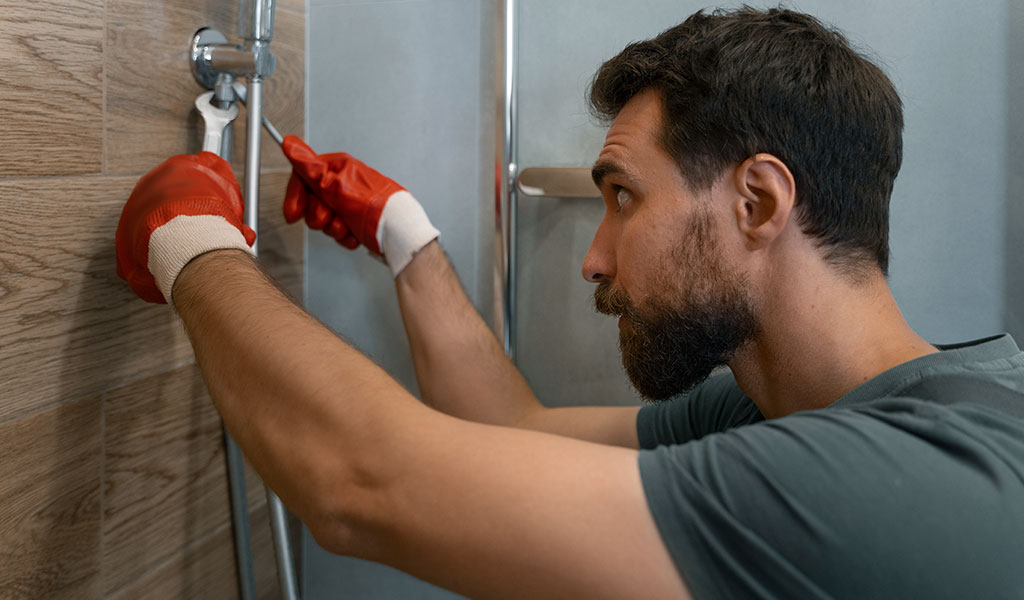
Another effective way to save water in the bathroom is by installing water-efficient fittings like faucets, aerators, and showerheads.
Water-efficient fixtures are designed to reduce water flow without compromising performance. It can help us to enjoy the same level of comfort while using less water.
For example, aerators can be installed on faucets to add air to the water stream. Thus it reduces water usage without affecting water pressure.
Similarly, water-saving showerheads use technologies like flow restrictors and aerators to deliver a satisfying shower experience while conserving water.
By upgrading to these water-efficient fittings, we can make our bathroom more eco-friendly and reduce our water footprint without sacrificing convenience.
10. Run Water on Low Until It Heats up

Waiting for hot water to reach the faucet can waste a significant amount of water. Instead of letting the water run at full blast until it heats up, try running it on low until it reaches the desired temperature.
This way, you’ll minimize the amount of cold water that goes down the drain while waiting for the hot water to arrive.
Once the water is warm enough, you can increase the flow to your desired level for washing your hands, doing dishes, or taking a shower.
It’s a simple yet effective way to conserve water and reduce unnecessary wastage, especially in households with long pipe runs or older plumbing systems.
11. Switch to Energy-Efficient LED Lights

Making the switch to energy-efficient LED lights is not only good for your wallet but also for the environment.
LED lights use significantly less energy than traditional incandescent bulbs, which means lower electricity bills and reduced carbon emissions.
Additionally, LED bulbs last much longer than incandescent bulbs, saving you money on replacements in the long run.
By replacing all the light bulbs in your home with LED equivalents, you can make a positive impact on both your energy consumption and your bank account.
So, next time a light bulb burns out, consider replacing it with an LED bulb to brighten your space while saving energy and money.
12. Remove Lint After Every Dryer load

Cleaning the lint trap after every dryer load is a simple yet important maintenance task that can improve the efficiency of your dryer and save energy.
When the lint trap is clogged with lint, it restricts airflow, making the dryer work harder to dry your clothes. This not only wastes energy but also increases the risk of overheating and fire hazards.
By removing the lint after every load, you’ll ensure proper airflow and maximize the dryer’s efficiency. Also, it will reducing drying times and energy consumption.
Additionally, if we regularly clean the dryer vent and exhaust ducts can, it will further improve efficiency and safety. So, make it a habit to clean the lint trap after every load to keep your dryer running smoothly and efficiently.
Common Mistakes to Avoid to Save Water in the Bathroom
When it comes to conserving water, the bathroom is a prime place to start. From brushing teeth to taking showers, our daily routines can either contribute to water conservation or waste this precious resource.
By being mindful of common mistakes, we can make a significant impact on water conservation efforts. Let’s explore some of the pitfalls to avoid in the quest to save water in the bathroom:
Leaving the Tap Running
When we leave the tap running while brushing our teeth or shaving, we’re letting precious water go down the drain unnecessarily.
You should remember to turn off the tap when it’s not in use to conserve water. It’s a small habit change that can make a big difference.
Ignoring Leaks
Ignoring leaks in faucets, showers, or toilets is a common oversight that can lead to significant water wastage over time.
You must keep an eye out for leaks and address them promptly to prevent unnecessary water loss. A quick fix now can save gallons of water later.
Taking Long Showers
We all enjoy a relaxing shower, but taking long showers can lead to excessive water usage. Try to keep your showers shorter to conserve water.
Setting a timer or listening to your favorite song can help you keep track of time and avoid lingering.
Using the Toilet as a Trash Can
Flushing items like tissues, cotton balls, or disposable wipes down the toilet can waste water and lead to clogs in the plumbing system.
You should use a trash can for disposing of non-flushable items to prevent unnecessary water usage and plumbing issues.
Not Using Water-saving Fixtures
Not installing water-saving fixtures like low-flow toilets, aerated faucets, and water-efficient showerheads is a missed opportunity to conserve water.
These fixtures are designed to minimize water usage without sacrificing performance. You can consider upgrading to these eco-friendly options to maximize water savings in your bathroom routine.
Running the Dishwasher or Washing Machine Half-empty
Running the dishwasher or washing machine with less than a full load wastes water and energy.
You should wait until you have a full load before running these appliances to maximize efficiency and water savings.
By being mindful of these common mistakes, we can all play a part in conserving water and protecting this vital resource for future generations.
Wrapping Up
If we can follow these 12 simple yet effective ways to save water in the bathroom can make a significant difference in our water conservation efforts.
By being mindful of our daily habits, using water-saving fixtures, and addressing common mistakes, we can minimize water wastage and contribute to a more sustainable future.
Every drop saved in the bathroom adds up to meaningful water conservation on a larger scale. So. let’s commit to making these changes.
Also, we should inspire others to join us in protecting our planet’s precious water resources. This is for the future and the greater good. Best wishes.

