To green your food choices means adopting practices that are environmentally friendly and sustainable. In today’s world, where concerns about climate change and environmental degradation are increasingly pressing.
Also, it helps us make conscious decisions about what we eat is more important than ever. By applying simple yet effective strategies, we can reduce our carbon footprint, conserve natural resources, and promote a healthier planet for future generations.
From choosing organic produce to embracing plant-based proteins, each choice we make can have a significant impact on the health of the environment and ourselves.
Let’s explore ten practical tips to green our food choices and contribute to a more sustainable and resilient food system. Stay sharp till the end.

What Is The Concept of “Green” Food Choices?
When we talk about “green” food choices, we’re not just referring to the color of the food. We’re talking about making choices that are environmentally friendly and sustainable. It’s about considering the impact our food has on the planet.
When we choose green foods, we are choosing options that have a lower carbon footprint, like locally-grown produce or plant-based alternatives. These choices reduce the amount of energy and resources needed for production and transportation.
We can also look for foods that are organic or grown using sustainable farming practices, which minimize harm to the environment and promote biodiversity.
By making green food choices, we are not only benefiting the planet, but we’re also supporting our own health. Many green foods, like fruits, vegetables, and whole grains, are packed with nutrients and contribute to a balanced diet.
So, next time you’re deciding what to eat, think about choosing green. It’s a small change that can make a big difference for both us and the planet.
10 Tips to Green Your Food Choices
Here are ten simple yet impactful ways to make greener food choices and reduce your environmental footprint.
From picking organic produce to embracing plant-based proteins, these practices benefit the planet. Also, they help you promote healthier and more sustainable lifestyles.
Let’s explore how we can make a positive difference through our food choices.
1. Choose Organic Produce
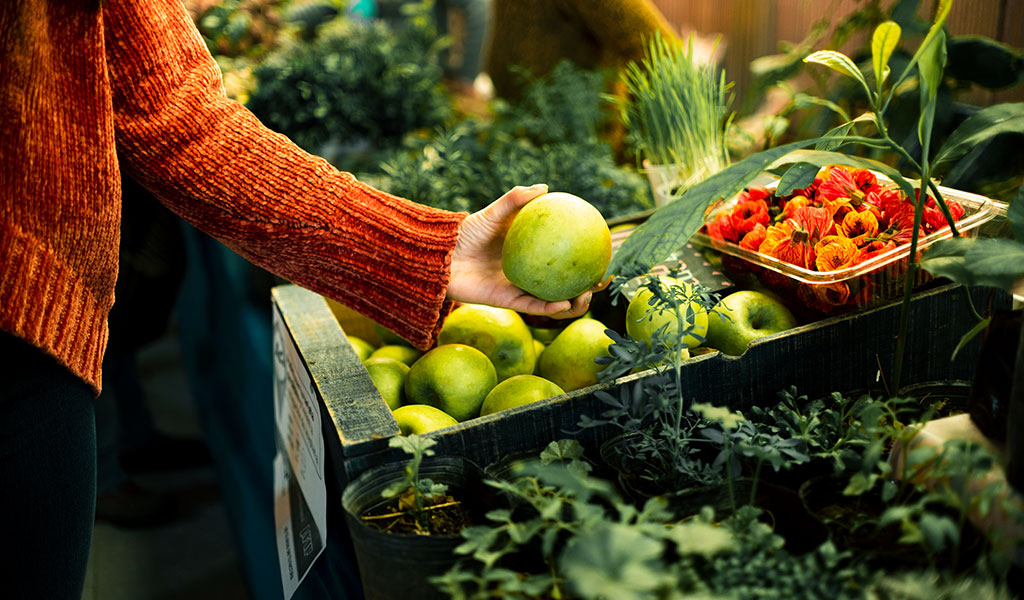
When we pick organic produce, we are selecting fruits and vegetables that are grown without synthetic pesticides, herbicides, or genetically modified organisms (GMOs).
This is beneficial for the environment because it reduces the amount of harmful chemicals released into the soil and waterways. Organic farming practices also promote soil health and biodiversity, which helps ecosystems thrive.
Additionally, choosing organic produce supports farmers who prioritize sustainability and ethical farming methods.
While organic options may sometimes be pricier, you should consider prioritizing the items you consume most frequently or those known to have higher pesticide residues, like berries or leafy greens.
By making the switch to organic produce, we are reducing our exposure to harmful chemicals. Also, we are supporting a more environmentally friendly and sustainable food system.
2. Reduce Meat Consumption
Cutting back on meat consumption can have significant environmental benefits. Livestock farming, particularly beef and lamb, is a major contributor to greenhouse gas emissions, deforestation, and water pollution.
By reducing our meat intake, we can decrease our carbon footprint and alleviate pressure on natural resources. Instead of eliminating meat entirely, we can start by incorporating more plant-based meals into our diets.
Experiment with delicious vegetarian or vegan recipes that feature beans, lentils, tofu, or vegetables as the main ingredients.
You can also try participating in Meatless Mondays or designating certain days of the week as meat-free. Reducing meat consumption is good for the planet.
Also, it will have positive impacts on our health by promoting a diet rich in fruits, vegetables, and whole grains.
3. Opt for Locally Sourced Foods

Choosing locally sourced foods supports nearby farmers and reduces the carbon footprint associated with transportation.
When we buy produce from local farmers markets or grocery stores that prioritize locally grown products, we’re cutting down on the emissions generated from long-distance shipping.
Additionally, local foods are often fresher because they spend less time in transit, which means they retain more nutrients and flavor.
To find locally sourced foods, look for labels indicating their origin or ask vendors at farmers markets about the source of their products.
By choosing local foods, we are supporting our community. Also, it reduces our environmental impact, and enjoying fresher, tastier ingredients.
4. Eat Seasonal Fruits and Vegetables
Eating fruits and vegetables that are in season is not only tastier but also better for the environment.
Seasonal produce is typically grown locally and requires fewer resources for cultivation, like artificial heating or cooling in greenhouses.
By choosing seasonal fruits and vegetables, we are reducing the energy and water needed for their production, as well as minimizing the use of pesticides and fertilizers.
Plus, seasonal produce often costs less because it’s abundant and doesn’t need to be shipped from distant locations.
To determine what’s in season, you can consult seasonal food guides or simply pay attention to what’s prominently displayed in grocery stores and farmers markets.
By embracing seasonal eating, we are supporting sustainable agriculture. Also, we can enjoy the freshest and most flavorful produce available.
5. Minimize Food Waste

Reducing food waste is crucial for both the environment and our wallets. When we waste food, we’re also wasting the resources used to grow, harvest, and transport it.
To minimize food waste, start by planning meals and shopping with a list to avoid buying more than you need. Properly store perishable items to extend their shelf life, and get creative with leftovers by applying them to new dishes.
Additionally, you should consider composting food scraps instead of throwing them away. Also, they can help reduce methane emissions from landfills and enrich soil for future crops.
By being mindful of our consumption habits and taking steps to minimize food waste, we are conserving resources. Also, it can contribute to a more sustainable food system.
6. Support Sustainable Fishing Practices
When it comes to seafood, choosing options that are sustainably sourced helps protect marine ecosystems and fish populations.
Sustainable fishing practices aim to minimize bycatch, and reduce habitat destruction. Also, they ensure that fish stocks are replenished for future generations.
Look for seafood certified by reputable organizations like the Marine Stewardship Council (MSC) or Seafood Watch, which indicate that the fish was caught or farmed in an environmentally responsible manner.
Additionally, you should consider choosing fish species that are abundant and fast-growing, like mackerel or sardines, and avoid those that are overexploited or caught using destructive methods, like bottom trawling.
By supporting sustainable fishing practices, we’re promoting the health of our oceans and supporting fishing communities that rely on healthy marine ecosystems for their livelihoods.
7. Embrace Plant-Based Proteins
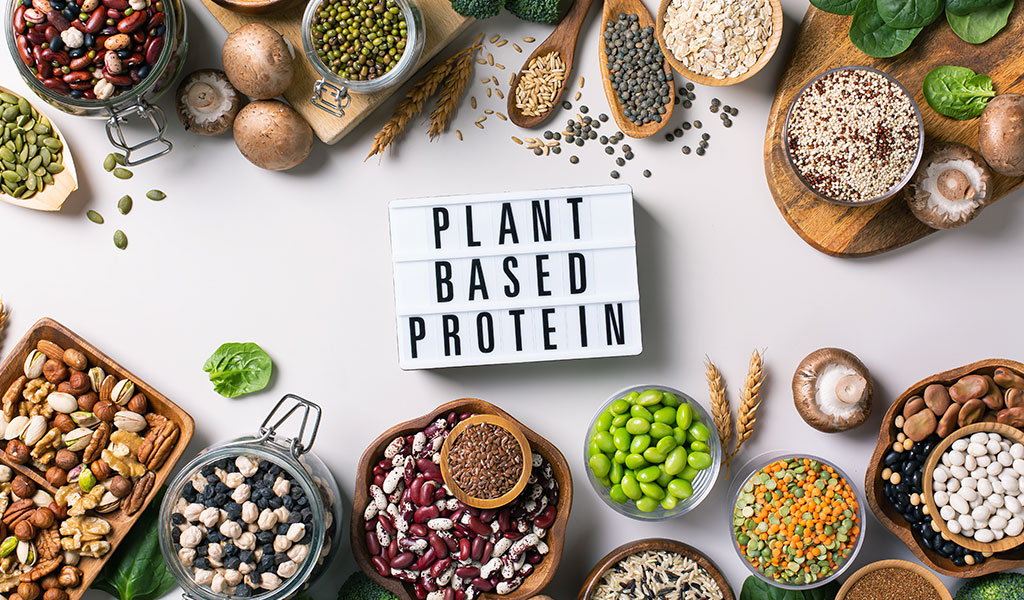
Applying more plant-based proteins to our diets is not only good for our health but also for the environment. Plant-based protein sources like beans, lentils, tofu, and tempeh require fewer resources to produce compared to animal proteins.
They typically have a lower carbon footprint and use less land, water, and energy. Thus, it makes them a more sustainable choice.
Plus, plant-based proteins are often rich in fiber, vitamins, and minerals, and can help reduce the risk of chronic diseases like heart disease and diabetes.
Experiment with plant-based recipes like veggie stir-fries, bean salads, or lentil soups to discover delicious and satisfying alternatives to meat-based meals.
By embracing plant-based proteins, we are diversifying our diets. Also, they reduce our environmental impact and promote a more sustainable food system for future generations.
8. Use Reusable Grocery Bags
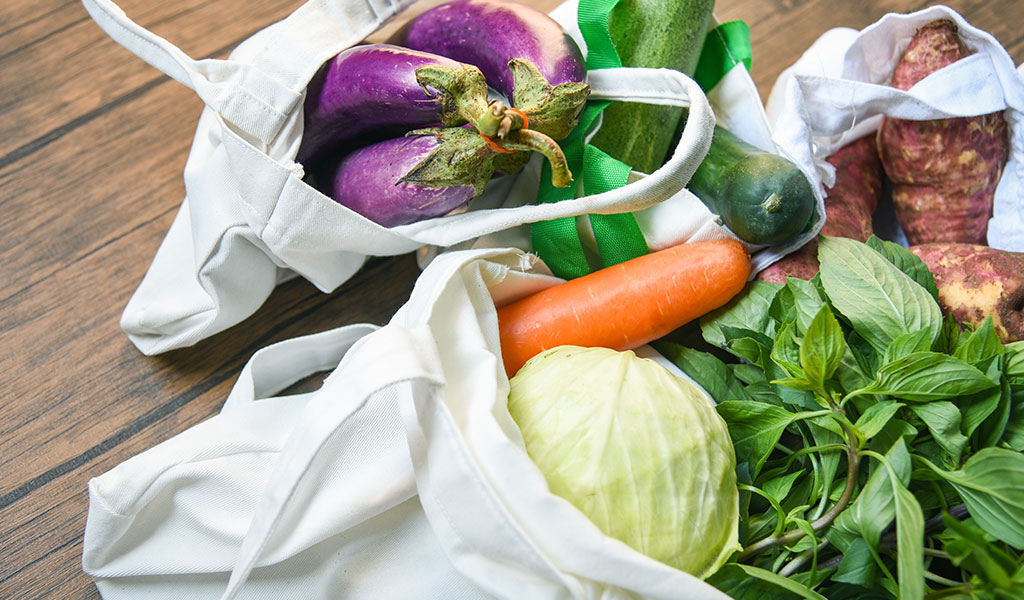
Switching to reusable grocery bags is a simple yet effective way to reduce plastic waste and minimize our environmental footprint.
Single-use plastic bags contribute to pollution, harm wildlife, and take hundreds of years to decompose in landfills.
By bringing our own reusable bags to the grocery store or market, we can significantly decrease the amount of plastic entering the environment.
Keep a few reusable bags in your car or near your front door so you always have them handy when you go shopping.
Pick durable, washable bags made from materials like canvas or recycled plastic, and consider investing in foldable ones that are easy to carry with you.
By making the switch to reusable bags, we’re taking a small but impactful step towards a more sustainable lifestyle.
9. Grow Your Own Herbs and Vegetables
Growing your own herbs and vegetables at home is a rewarding way to reduce your environmental impact while enjoying fresh, flavorful produce.
By cultivating a small garden or even just a few pots on a windowsill, you can have access to nutritious ingredients right at your fingertips.
Growing your own food eliminates the need for packaging, transportation, and pesticides associated with store-bought produce, reducing your carbon footprint in the process.
Plus, gardening can be a fun and therapeutic activity that connects you with nature and promotes biodiversity. Start with easy-to-grow herbs like basil, mint, and parsley, or try your hand at vegetables like tomatoes, peppers, and lettuce.
Even if you have limited space, you can grow herbs indoors or on a balcony using containers or vertical gardening techniques.
By growing your own herbs and vegetables, you are enjoying the freshest produce possible. Also, you will be taking a proactive step towards sustainable living.
10. Shop at Farmer’s Markets
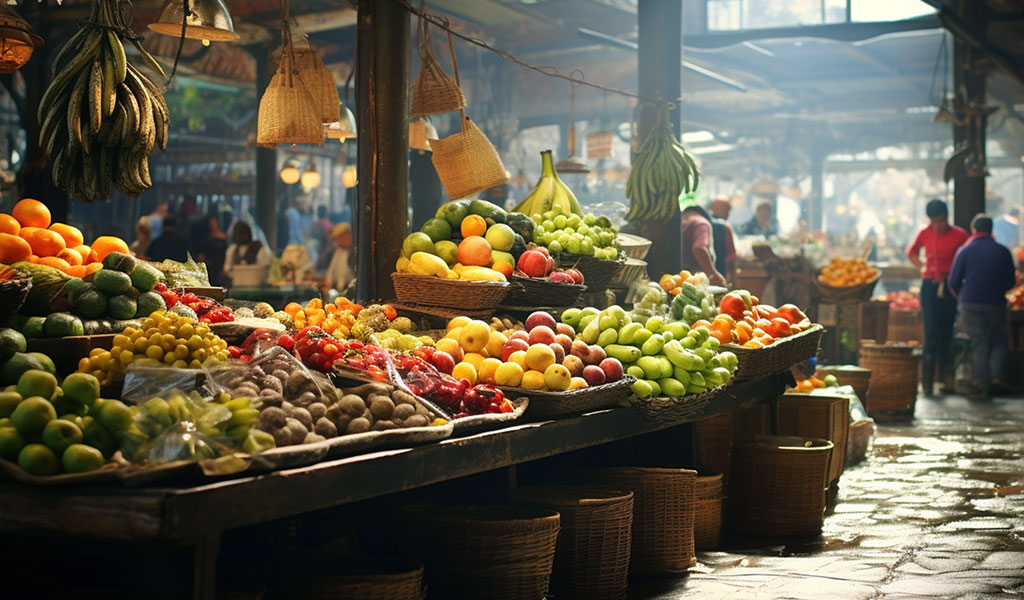
Shopping at farmer’s markets is a great way to support local farmers, reduce food miles, and access fresh, seasonal produce.
Farmer’s markets offer a wide variety of fruits, vegetables, meats, dairy products, and baked goods that are often grown or produced locally using sustainable practices.
By buying directly from farmers, you can learn more about where your food comes from, and how it’s grown, and even discover new, heirloom varieties that you might not find in supermarkets.
Additionally, shopping at farmer’s markets reduces the need for excessive packaging and transportation associated with conventional grocery stores, which helps lower your environmental impact.
Plus, farmer’s markets are vivid community spaces where you can connect with growers, artisans, and other local residents.
You should make it a weekly ritual to visit your nearest farmer’s market and explore the seasonal bounty of locally grown foods.
By supporting farmer’s markets, you’re not only investing in your community but also promoting sustainable agriculture and fostering a healthier planet for future generations.
Importance of Making Green Food Choices
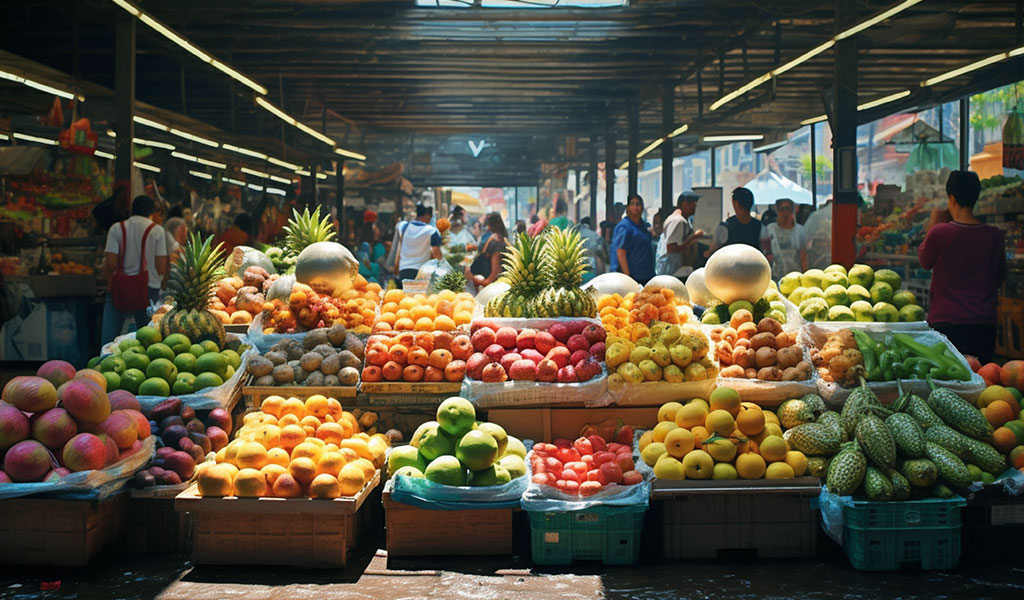
Making green food choices is essential for both our own well-being and the health of the planet.
By choosing environmentally friendly and sustainable options, we can reduce our carbon footprint, conserve natural resources, and support a more equitable food system.
Let’s explore why making green food choices is so important:
Environmental Impact Reduction
Choosing green foods helps minimize environmental degradation by reducing greenhouse gas emissions, conserving water, and preserving biodiversity.
By picking options like organic produce and sustainably sourced seafood, we can mitigate the negative effects of food production on ecosystems.
Resource Conservation
Green food choices help conserve valuable resources like water, land, and energy.
Plant-based diets, for example, require significantly fewer resources to produce compared to meat-based diets. Thus they make them more sustainable in the long run.
By minimizing waste and choosing locally sourced foods, we can further reduce resource consumption.
Promotion of Sustainable Agriculture
Supporting sustainable farming practices encourages the adoption of methods that prioritize soil health, water conservation, and biodiversity.
By purchasing foods from farmers who use sustainable techniques like crop rotation and integrated pest management, we can contribute to the resilience and longevity of agricultural systems.
Health Benefits
Green food choices often lead to improved health outcomes for individuals.
Whole foods like fruits, vegetables, whole grains, and legumes are rich in essential nutrients, fiber, and antioxidants. Also, they support overall well-being and reduce the risk of chronic diseases like obesity, diabetes, and heart disease.
Community Support
Picking locally sourced foods and supporting small-scale farmers and producers fosters stronger communities and local economies.
By purchasing from farmer’s markets and participating in community-supported agriculture (CSA) programs, we can directly support local businesses and contribute to vivid, sustainable food systems.
Climate Change Mitigation
The food system is a significant contributor to climate change, accounting for a significant portion of global greenhouse gas emissions.
By making green food choices, we can help mitigate climate change by reducing emissions from food production, transportation, and waste.
Choosing plant-based options and minimizing food waste are particularly effective strategies for combating climate change.
Wrapping Up
Adopting these ten tips to green your food choices can have a significant positive impact on the environment and your health.
By picking organic produce, reducing meat consumption, growing your own herbs and vegetables, and shopping at farmer’s markets, you can contribute to a more sustainable and resilient food system.
Making these simple yet impactful changes in your daily life reduces your carbon footprint and conserves natural resources. Also, they help you promote healthier eating habits and support local communities.
Let’s continue to make mindful and sustainable food choices to create a brighter and greener future for ourselves and the planet. Best of luck.

