Do you want to make your home more environmentally friendly and energy-efficient? Explore these 12 practical tips to green your home energy usage.
From small changes like using LED lighting to significant investments like installing solar panels, each tip is designed to help you save money, and create a more sustainable living environment.
Whether you’re a seasoned eco-warrior or just starting your green journey, there’s something for everyone to follow and enjoy the benefits of greener energy usage.
So, let’s discover how simple adjustments and conscious choices can make a big difference in the sustainability of your home and the planet. Stay focused.
Is It Possible to Green Your Home Energy Usage?
We can definitely green our home energy usage. There are several steps we can take to make our homes more energy-efficient and environmentally friendly.
First, we can start by investing in energy-efficient appliances, like LED light bulbs, energy-efficient refrigerators, and smart thermostats. These appliances consume less energy, helping us reduce our carbon footprint.
Next, we can improve our home’s insulation by sealing drafts and adding insulation to walls, floors, and attics.
This helps maintain a comfortable temperature inside our home without relying too much on heating or cooling systems.
Furthermore, we can consider installing solar panels on our roofs to generate clean and renewable energy. Solar power can significantly reduce our dependence on fossil fuels and lower our electricity bills in the long run.
By taking these steps, you can contribute to a healthier planet. Also, they can help you create a more sustainable and cost-effective living environment for yourself.
12 Tips to Green Your Home Energy Usage
Now, kindly check out these 12 tips to green your home energy usage. They are really helpful for anyone who wants to save energy.
From simple changes like using LED lighting to more significant investments like installing solar panels, there’s something for everyone to contribute to a greener, more sustainable lifestyle.
1. Use LED Lighting

LED (Light Emitting Diode) lighting is a fantastic way to green your home energy usage. Unlike traditional incandescent bulbs, LEDs are highly energy-efficient, using up to 80% less electricity.
This means they last longer and also generate significantly less heat, reducing the strain on your cooling systems in summer. Plus, LEDs come in various colors and designs, offering both functionality and aesthetics.
By switching to LED lighting throughout your home, you’ll save energy and also lower your electricity bills over time. It’s a simple yet impactful change that can make a big difference.
2. Seal Drafts

Drafts are like little energy leaks in your home, letting precious warmth escape in winter and cool air slip away in summer. Sealing these drafts is a crucial step in making your home more energy-efficient.
You can use weather stripping or caulking to seal gaps around windows and doors, preventing air leakage. Additionally, you can consider adding insulation to your walls, floors, and attics to further reduce energy loss.
By sealing drafts, you’ll improve the overall comfort of your home while also saving on heating and cooling costs. It’s a cost-effective way to make your home greener and more sustainable.
3. Install Solar Panels
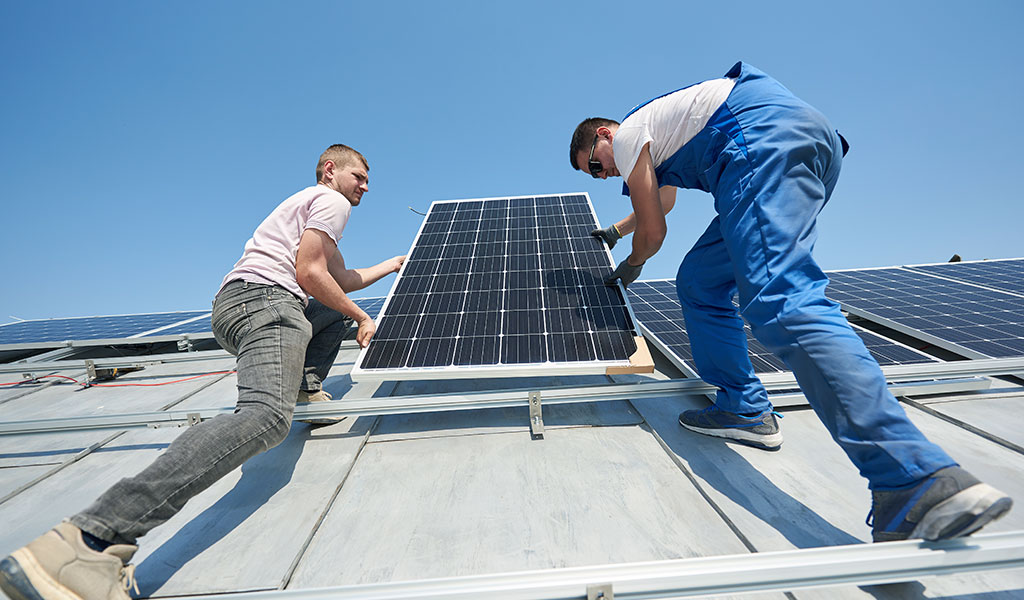
Harnessing the power of the sun through solar panels is a fantastic way to green your home energy usage. Solar panels convert sunlight into electricity, providing a clean and renewable energy source for your home.
By generating your electricity, you will reduce your reliance on fossil fuels and lower your carbon footprint. Plus, many governments offer incentives and rebates for installing solar panels.
So, it is a financially savvy investment in the long run. While the initial cost may seem daunting, solar panels can significantly reduce your energy bills over time. It’s a win-win for both your wallet and the planet.
4. Optimize Thermostat Settings
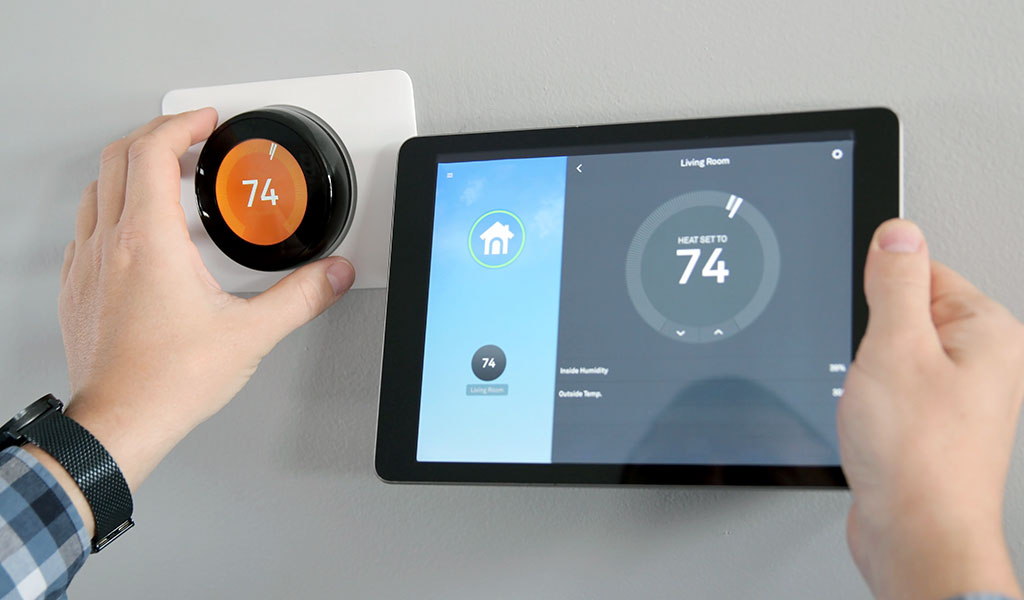
Tweaking your thermostat settings can have a significant impact on your home’s energy usage. During the winter, lowering your thermostat by just a few degrees while you’re away or asleep can save a substantial amount of energy.
Similarly, raising the thermostat slightly in summer can reduce the load on your cooling system. Consider investing in a programmable or smart thermostat, which lets you set customized schedules based on your daily routine.
This way, you can ensure your home is comfortable when you need it while saving energy when you don’t. It’s a simple adjustment that can lead to significant energy savings and lower utility bills.
5. Upgrade Appliances
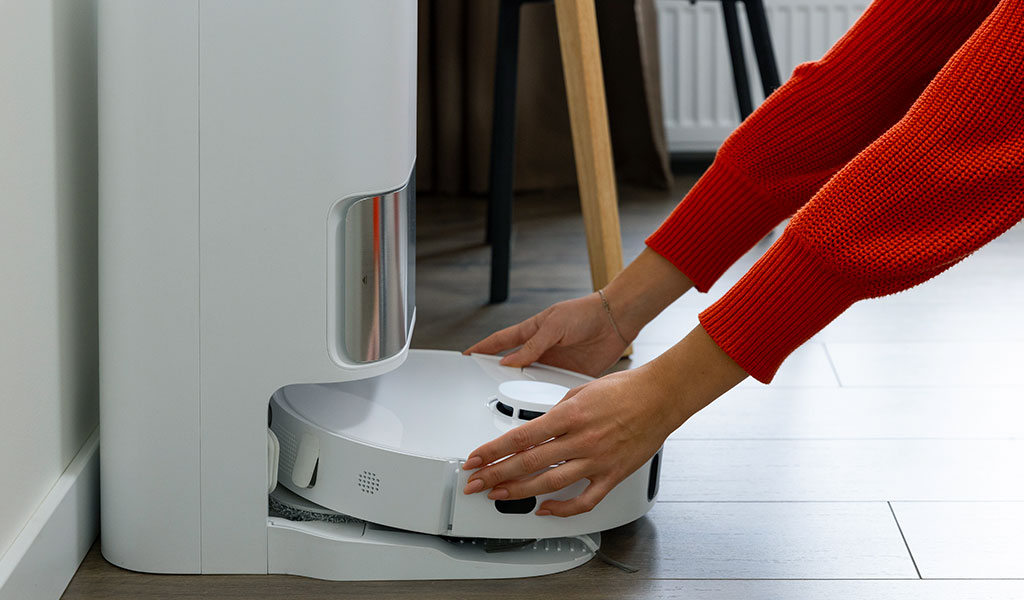
Upgrading to energy-efficient appliances is another effective way to green your home energy usage. Newer appliances are designed to consume less energy while delivering the same, if not better, performance.
You should look for appliances with ENERGY STAR certification, which indicates they meet strict energy efficiency guidelines set by the Environmental Protection Agency (EPA).
Whether it’s your refrigerator, dishwasher, washing machine, or dryer, replacing outdated appliances with energy-efficient models can result in significant energy savings over time.
Not only will you reduce your carbon footprint, but you’ll also enjoy lower utility bills and potentially qualify for rebates or incentives from utility companies.
6. Enhance Insulation
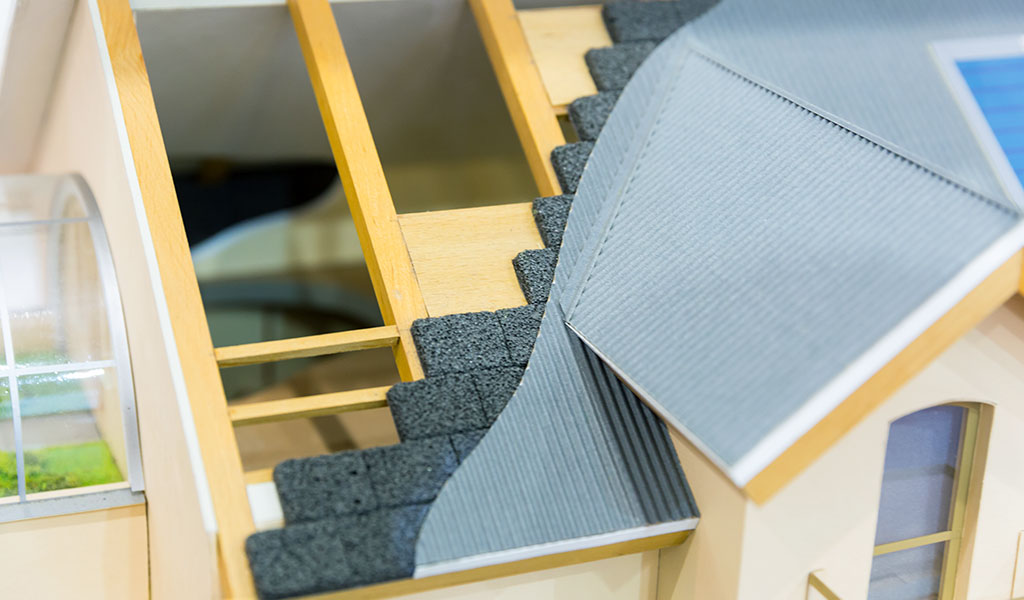
Improving your home’s insulation is key to reducing energy waste and making your space comfortable year-round. Insulation maintains a consistent indoor temperature by preventing heat transfer through walls, floors, and ceilings.
You should start by checking the insulation levels in your attic, walls, and basement or crawl space. If you find insufficient insulation, you should consider adding more to improve energy efficiency.
Additionally, seal any gaps or cracks in your home’s exterior to prevent air leakage. By enhancing insulation and sealing air leaks, you’ll minimize the need for heating and cooling.
It will lead to lower energy consumption and reduced utility costs. So. it’s a smart investment that pays off in both comfort and savings.
7. Choose Energy-Efficient Windows
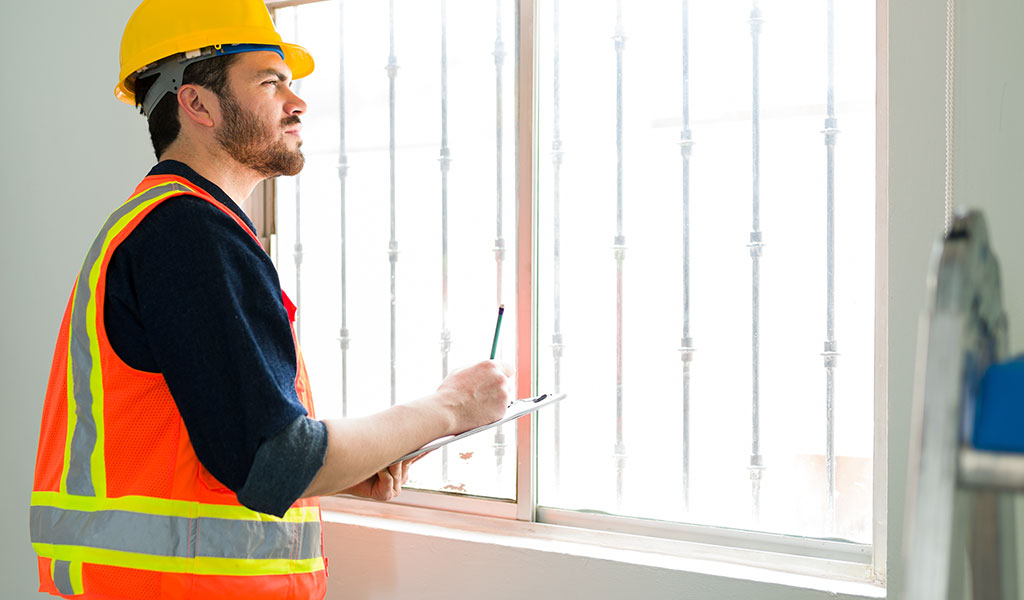
Selecting energy-efficient windows is a smart way to green your home energy usage. These windows are designed with technologies like double or triple panes, low-emissivity coatings, and insulated frames to minimize heat transfer.
By reducing heat gain in summer and heat loss in winter, energy-efficient windows help maintain a comfortable indoor temperature year-round.
They also minimize the need for heating and cooling, resulting in lower energy consumption and reduced utility bills.
When selecting energy-efficient windows, look for products certified by organizations like ENERGY STAR, which ensures they meet stringent energy performance criteria.
While the initial cost may be higher than standard windows, the long-term energy savings make them a worthwhile investment in the sustainability of your home.
8. Harness Natural Light

Maximizing natural light in your home not only reduces the need for artificial lighting but also enhances your living space aesthetically. Open curtains or blinds during the day to let sunlight stream in and illuminate your rooms.
You should consider strategically placing mirrors to reflect and amplify natural light throughout your home. Additionally, you should choose lighter paint colors and materials that can help brighten rooms and make them feel more spacious.
By harnessing natural light, you’ll rely less on energy-intensive artificial lighting during daylight hours, leading to lower electricity consumption.
Not only is this approach environmentally friendly, but it also creates a warm and inviting atmosphere in your home. It’s a simple yet effective way to reduce energy usage while enhancing your living environment.
9. Employ Smart Power Strips
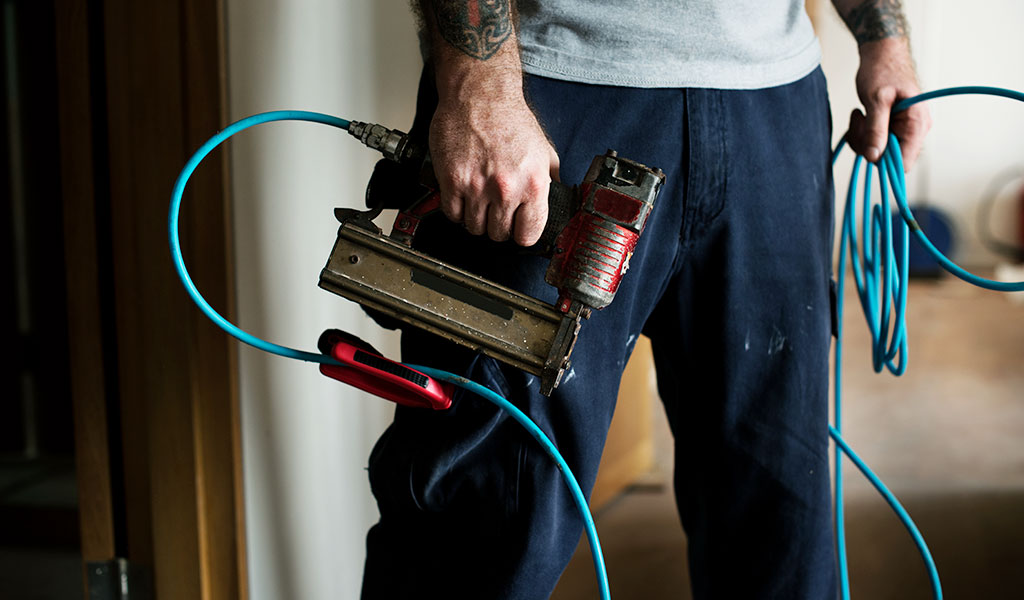
Smart power strips are a convenient and energy-saving solution for reducing standby power consumption in your home. Many electronic devices continue to draw power even when turned off or in standby mode.
Smart power strips automatically shut off power to devices when they’re not in use, eliminating standby power consumption and saving energy.
Some models even feature motion sensors or timers to further optimize energy usage. By plugging your appliances and electronics into smart power strips, you can easily control their power consumption.
Also, they will help you reduce unnecessary energy waste. It’s a simple yet effective way to green your home energy usage without sacrificing convenience or comfort.
10. Maintain HVAC System

Regular maintenance of your heating, ventilation, and air conditioning (HVAC) system is essential for optimizing its performance and energy efficiency.
Schedule professional HVAC inspections and tune-ups at least once a year to ensure your system is running smoothly and efficiently.
During maintenance visits, technicians will clean and inspect components, replace air filters, and identify any issues that may be affecting efficiency.
By keeping your HVAC system well-maintained, you’ll ensure it operates at peak efficiency, reducing energy consumption and extending its lifespan.
Additionally, you should consider upgrading to a programmable or smart thermostat to further optimize energy usage and enhance comfort.
Proper maintenance not only saves energy and lowers utility bills but also helps prevent costly repairs down the line. It’s a proactive approach to greening your home energy usage and ensuring year-round comfort.
11. Utilize Renewable Energy Sources
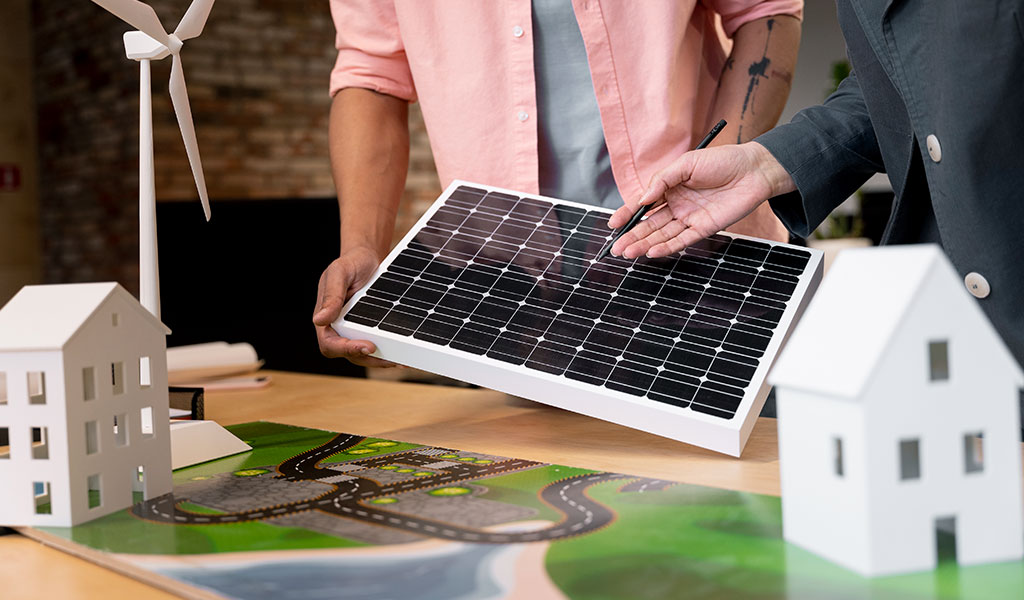
Using renewable energy sources into your home’s energy mix is a sustainable way to reduce your carbon footprint and dependence on fossil fuels.
You can consider installing solar panels on your roof to harness the power of the sun and generate clean, renewable electricity for your home. Solar energy systems can significantly reduce your reliance on grid electricity.
Thus it can lead you to long-term energy savings and environmental benefits. Additionally, explore other renewable energy options like wind turbines, geothermal heat pumps, or biomass systems depending on your location.
By utilizing renewable energy sources, you will reduce greenhouse gas emissions.also, you can greatly contribute to a more sustainable energy future.
It’s a great step towards greening your home energy usage and reducing your environmental impact.
12. Recycle and Upcycle
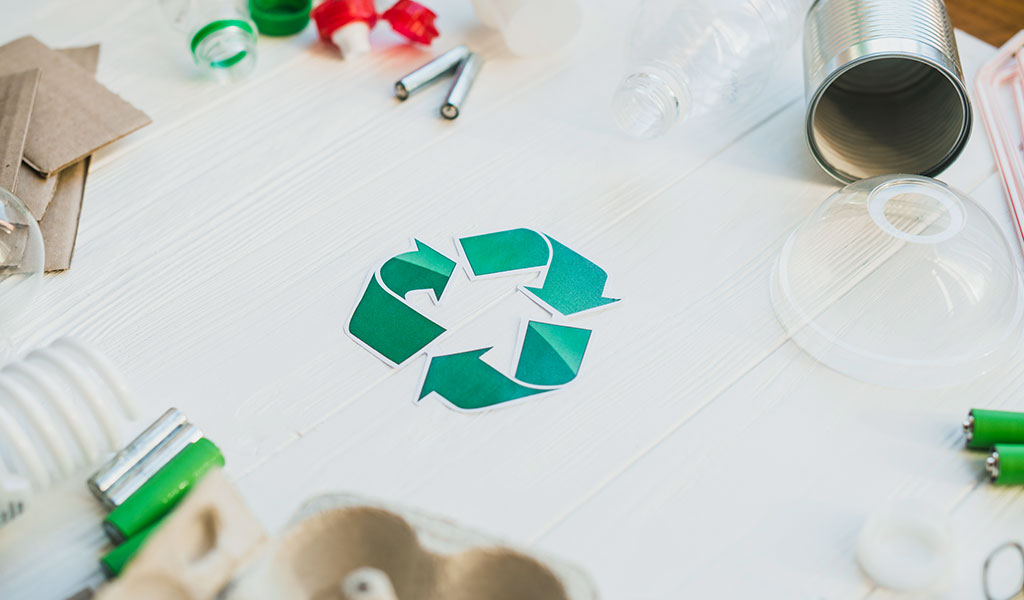
Recycling and upcycling are effective ways to reduce waste and conserve resources in your home. Set up recycling bins for paper, plastic, glass, and metal materials to divert them from the landfill and promote recycling.
Additionally, you should consider upcycling or repurposing old items and materials to give them new life instead of throwing them away.
You can get creative with DIY projects to transform old furniture, containers, or household items into something useful and stylish.
By reducing waste and promoting resource conservation, recycling and upcycling help minimize the environmental impact of your home and contribute to a sustainable lifestyle.
You should encourage your household members to participate in recycling efforts and welcome the principles of reduce, reuse, and recycle. It’s a simple yet impactful way to green your home energy usage.
Reasons You Should Green Your Home Energy Usage
Making your home more energy-efficient and environmentally friendly isn’t just about saving the planet, it’s also about saving money and improving your quality of life.
By using green energy practices, you can reduce your carbon footprint, lower your utility bills, and create a healthier living environment for yourself and your family. Check some of the reasons out below.
Cost Savings
One of the most compelling reasons to green your home energy usage is the potential for significant cost savings.
By reducing your energy consumption through measures like using energy-efficient appliances, sealing drafts, and harnessing renewable energy sources, you can lower your monthly utility bills.
Environmental Benefits
Greening your home energy usage helps reduce your carbon footprint and minimize your impact on the environment.
By using renewable energy sources like solar or wind power and adopting energy-efficient practices, you can decrease greenhouse gas emissions and contribute to combating climate change.
Improved Indoor Comfort
Energy-efficient upgrades like enhancing insulation, sealing drafts, and optimizing thermostat settings can help maintain a consistent indoor temperature year-round.
This not only increases comfort but also reduces the need for heating and cooling. Thus it results in a more comfortable and enjoyable living environment.
Healthier Living Spaces
Green energy practices can also lead to healthier indoor air quality by reducing the use of harmful chemicals and pollutants.
For example, using natural cleaning products and improving ventilation can help minimize indoor air pollution. Thus they create a healthier living environment for you and your family.
Enhanced Property Value
Investing in green energy upgrades can increase the value of your home greatly.
Energy-efficient features like solar panels, energy-efficient appliances, and smart thermostats are attractive to potential buyers. Also, they can make your home more desirable in the real estate market.
Energy Independence
By generating your electricity through renewable energy sources like solar panels, you can become less reliant on traditional energy sources and utility companies.
This provides greater energy independence and stability, especially in times of fluctuating energy prices or supply disruptions.
Contribution to Sustainability
Greening your home energy usage lets you contribute to a more sustainable future for generations to come.
By adopting eco-friendly practices and reducing your reliance on fossil fuels, you are helping to preserve natural resources and protect the planet for future generations.
There are many reasons to green your home energy usage, ranging from financial savings and environmental benefits to improved comfort and health.
Wrapping Up
These 12 tips to green your home energy usage benefit the environment. Also, they can help you enhance your quality of life.
By making simple changes like using LED lighting, sealing drafts, and harnessing renewable energy sources, you can save money.
Also, you can reduce your carbon footprint, and create a healthier, more comfortable living environment. From cost savings and environmental benefits to improved indoor comfor, greening your home energy usage offers a multitude of advantages.
By taking useful steps towards sustainability, you can contribute to a brighter and more sustainable future for yourself and generations to come. Best of luck.

