You’re likely aware that about 20% of US energy-related greenhouse gas emissions stem from heating, cooling, and powering households.
It’s no secret that our carbon footprint is gradually heating up our atmosphere, making us rely more on our cooling systems. But have you ever thought about how your mattress can contribute to a greener environment?
Choosing eco-friendly materials for your mattress is a great way to start. But it’s not just about the environment. It’s also about your health. Synthetic materials like polyester and nylon are not only unsustainable but potentially harmful.
Opting for natural materials like silk, linen, or organic cotton can provide you with a comfortable sleep while reducing your carbon footprint. So, ready to green your mattress?

Environmental Impact of Conventional Mattresses
Your mattress, a seemingly innocent aspect of your bedroom, can be a significant contributor to environmental degradation. How much damage can a mattress really do you may wonder? We’re going to delve into that under these key factors:
Excessive Resource Consumption
Conventional mattresses can be resource-intense. Making a mattress demands copious amounts of water and energy. But, the exploitation doesn’t stop there. Many mattresses harbor materials that run the spectrum from fossil fuels to pesticides.
When tiptoeing on the side of eco-friendliness, it’s crucial you avoid a mattress that takes a toll on these valuable resources. Take your time and learn how to shop for an eco-friendly mattress. Your purchase decision has far-reaching effects on not just your health, but also the health of our shared earth.
Chemical Off-Gassing
The sharp smell of a new mattress is due to Chemical Off-Gassing, which could be potentially harmful. Conventional mattresses can release substances such as flame retardants, formaldehyde, Volatile Organic Compounds (VOCs), and other non-environmentally friendly chemicals.
These chemicals can cause skin allergies, respiratory issues, and may even affect immunity and fertility. This is contrary to the aim of maintaining an eco-friendly living space.
Disposal Challenges
Right, so you’re done with your mattress. But, have you considered its afterlife? Mattress disposal is undeniably challenging. Our landfills are burdened with old mattresses that take an eternity – up to 200 years – to fully decompose.
Eco-warriors like you don’t want that kind of environmental strain on your hands. That’s why, when you are on a quest for an eco-friendly mattress next time, give a thought to its end-of-life impact as well.
Tip 1: Choose an Organic Mattress
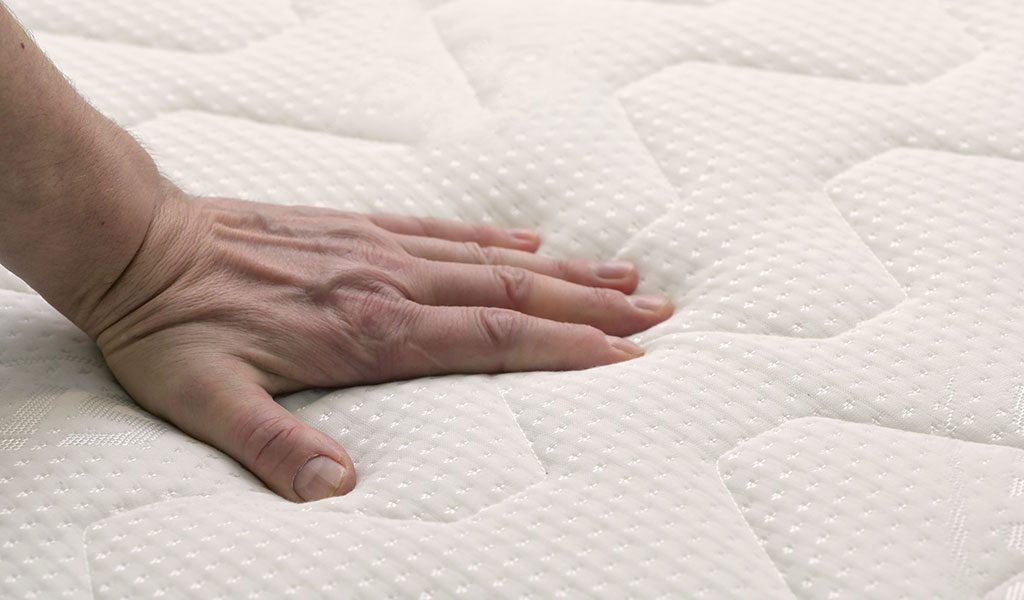
Moving right along to our first tip, what better way to start your green journey than by selecting an organic mattress? Opting for a mattress made from natural, sustainable, and non-toxic materials can significantly reduce your carbon footprint.
Not only are these mattresses safer for the environment, but they’re also safer for you and your family. With that being said, here are a couple of specifics to look for when shopping for an organic mattress.
Look for Certifications
Seek credible third-party certifications is a quick and efficient way to gauge the credibility of a product.
When it comes to mattresses, you shouldn’t rely solely on the manufacturer’s claims. Corporate greenwashing is all too common, leading to inaccurate representation of a product’s organic nature or sustainability.
If a product claims to be organic, ensure it is certified organic. Look for authentic, reputable certifications such as the Global Organic Latex Standard (GOLS) or Control Union certs.
This kind of proof should give you peace of mind knowing the materials used in your mattress are genuinely eco-friendly and sustainably sourced.
Materials to Avoid
Materials used in mattresses can significantly impact both health and the environment. Synthetic materials such as polyester and nylon, while durable, require considerable energy to produce and do not biodegrade easily, causing long-term environmental damage.
Petrochemical-based foams also release harmful gases and contribute to waste. Opting for organic materials like latex and cotton, especially those that are certified and ethically sourced, is more sustainable.
A mattress labelled “sustainable” but made from synthetic chemicals isn’t truly eco-friendly. Choosing an organic mattress contributes to a greener future.
Tip 2: Use Organic Bedding
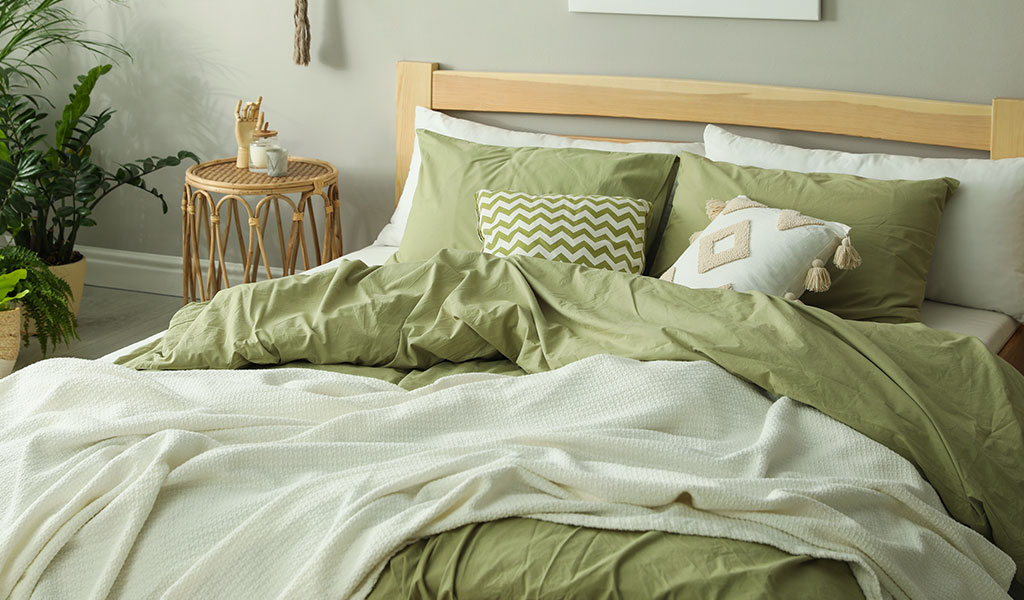
Polyester and nylon are less sustainable materials. You’ll want to steer clear of these in your pursuit of a greener bedroom.
The cooler, more eco-friendly options? Silk and linen. These natural materials not only give a luxurious feel but also keep you cool during those hot summer nights.
It’s important to remember that these high-end materials may come with a heftier price tag. If you’re looking to balance being green with budget-friendly options, organic cotton is a winning choice.
This material marries affordability with sustainability, keeping you comfortable while you sleep and doing your part for the environment.
Lighting is another important aspect of an eco-friendly bedroom. Avoid bright, over-the-top light fixtures and instead go for lamps with energy-efficient LED light bulbs, which save 50-70% energy compared to other light bulbs and can last up to 50,000 hours.
And don’t forget to utilize natural light during the day – it’s free and has a positive impact on your mood and sleep-wake cycle. Using as much natural light as you can during the day will help to positively impact not only your electricity bill, but also your overall sleep health.
Your journey to a sustainable bedroom doesn’t end here.
Tip 3: Invest in a Mattress Topper
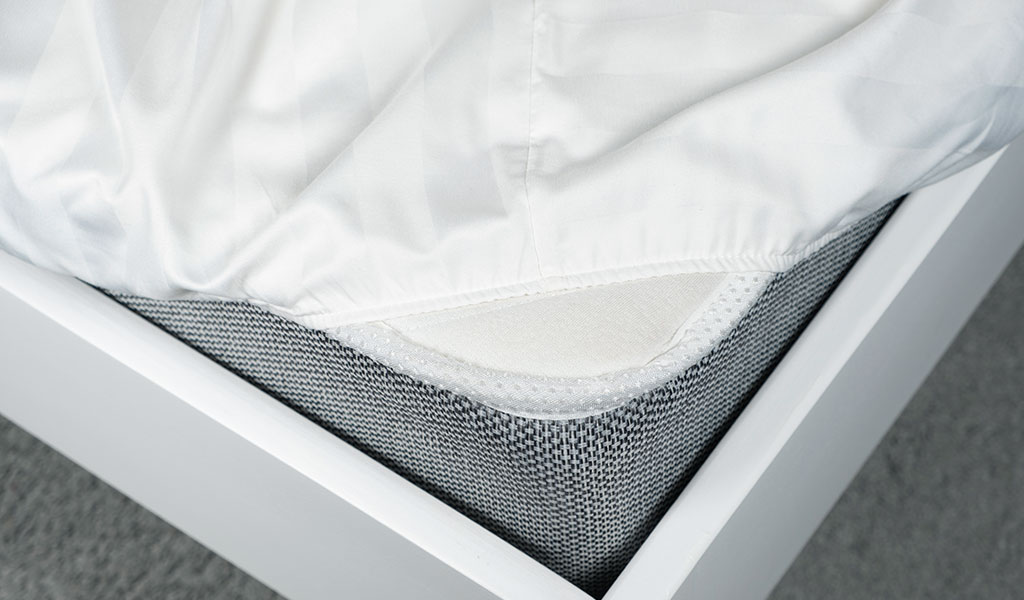
Going green isn’t just about what your mattress is made of. It’s also about how you maintain it, prolonging its life to reduce waste.
One excellent method to protect your mattress and to add an additional level of comfort is investing in a mattress topper. A good-quality, eco-friendly mattress topper can protect against stains, wear and tear, and offer your body more support.
Wool Toppers
Have you ever considered wool? It’s a fantastic, naturally-occurring material that’s a great eco-friendly choice for mattress toppers. It will not only provide extra comfort but also promote increased air circulation.
This is because wool possesses natural, breathable properties that can help regulate your body temperature while you sleep, preventing overheating.
Don’t worry about the potential hazards of synthetic additives – a true wool mattress topper doesn’t contain potentially risky compounds like polyurethane flame retardants, asbestos, VOCs, or formaldehyde. It’s clean and safe to use on your bed, making a big difference in your sustainable bedroom efforts.
Latex Toppers
A latex mattress topper is a great investment due to its comfort, support, and durability. Organic latex toppers are hypoallergenic, resistant to dust mites, mold, and bacteria, and certified by the Global Organic Latex Standard (GOLS), proving they’re made from organic ingredients.
While these toppers do need replacing eventually, they’re less expensive than new mattresses and have a smaller environmental impact. Thus, they aid in achieving a comfortable and eco-friendly bedroom.
Tip 4: Rotate and Flip Your Mattress Regularly
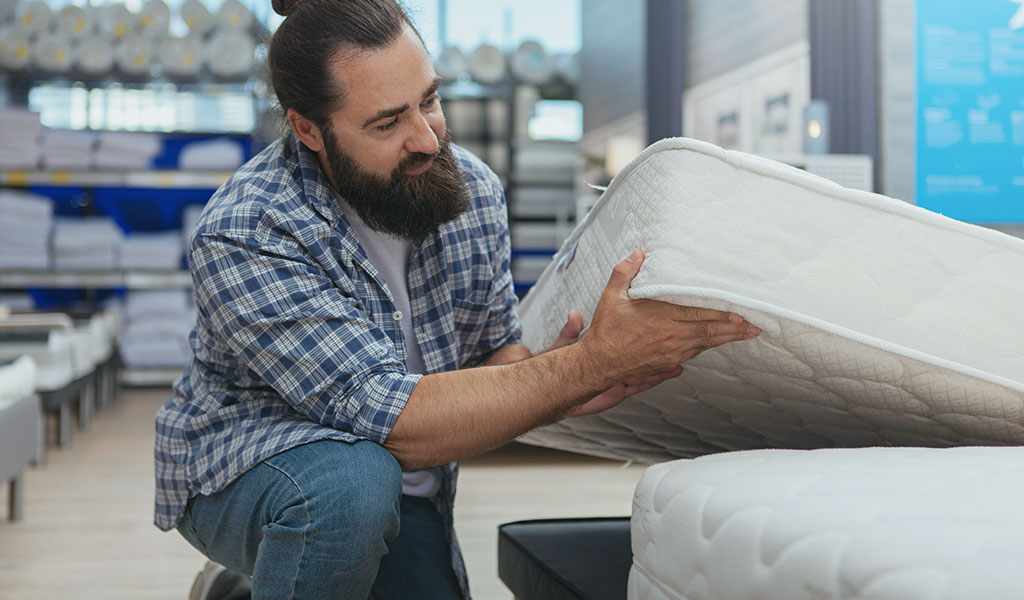
Extend the life of your mattress by rotating and flipping it regularly. This simple habit helps to ensure even wear and tear, reducing the likelihood of discomfort spots or sagging areas.
When your mattress wears evenly, you’ll gain better support and comfort, contributing to healthier sleep and wellbeing.
Despite aftermarket products like mattress toppers, nothing beats the importance of maintaining the original investment— your mattress. Rotation and flipping allows your mattress to breathe, furthering its longevity.
It’s crucial you practice correct mattress flip and rotate techniques. Here’s a clear, step-by-step guide:
- Clear the bed of any sheets and covers
- Rotate the mattress 180 degrees
- Remember to swap the head and foot of the bed
- Lastly, flip the mattress over
Tip 5: Consider Eco-Friendly Cleaning Methods

Let’s face it, your mattress could be harboring some unwanted guests. Materials such as fiber fill or batting from wool or cotton act as a nesting ground for dust mites. Surprising isn’t it? These micro pests survive on your ski2011n cells, exacerbate allergies and can worsen skin conditions like eczema, rashes and dermatitis.
Stemming from this fact, it’s crucial to adopt eco-friendly cleaning methods. Avoid using synthetic materials like polyester for your bedding as they aren’t just harsh for your health but also tough on the environment.
Did you know? Polyester takes 200 years to break down!
Take a greener approach. Green your mattress by eliminating synthetic materials. Choose cleaning agents that are bio-degradable and kinder to the environment.
What’s more, a greener approach isn’t confined to indoor sustainability alone. According to the Proceedings of the National Academy of Sciences, almost 20% of US energy-related greenhouse gas emissions are from heating, cooling, and powering households.
So the next sustainable habit to adopt? Turn to eco-friendly insulation and a green HVAC system.
Opting for new greener alternatives can help reduce your energy use and carbon emissions. All these steps will contribute significantly to your sustainable bedroom journey helping you rest easy and breathe better.
Frequently Asked Questions
1. Why should I avoid a fiberglass mattress?
Fiberglass, when inhaled in large amounts, can contribute to lung issues including bronchiolitis
and pulmonary fibrosis. Short-term exposure can also lead to lung inflammation. If embedded in the eye, it can cause visual changes, bleeding, and scarring.
2. What makes a healthy mattress?
A healthy mattress typically consists of at least 95% organic materials such as organic cotton, wool, or natural latex. It should also adhere to Global Organic Textile Standard (GOTS) certification rules, meaning it cannot contain polyurethane foam or other hazardous chemicals.
3. What is the optimal way to refresh a mattress?
Vacuum the mattress thoroughly using the brush attachment, then spread baking soda across it. Let it rest for 10 minutes so it can deodorize, and then vacuum the baking soda up.
4. How can I freshen up and deodorize my mattress?
Mix a third cup hydrogen peroxide, a third cup water, and a few drops of gentle dish soap. Load this solution into a spray bottle, spritz it on a clean cloth, and wipe your mattress down. Allow the mattress to air dry completely before reapplying bedding.
5. Which mattress company doesn’t use fiberglass?
Saatva has ceased the use of fiberglass in their mattresses since 2019. Instead of fiberglass, which is commonly used for its flame retardant properties, Saatva substitutes with wool or thistle.
Conclusion
So, you’ve learned how green practices can revolutionize your mattress care. Embracing eco-friendly cleaning methods not only combats dust mites but also boosts your overall health.
Shunning synthetic materials like polyester helps you avoid potential health risks and environmental harm. Remember, greening your mattress extends beyond the mattress itself.
By incorporating eco-friendly insulation and HVAC systems, you’re doing your part to reduce energy consumption and carbon emissions. By making these changes, you’re contributing to a sustainable bedroom environment that promotes better rest and well-being.
It’s clear that greening your mattress is more than a trend—it’s a lifestyle choice with far-reaching benefits. Make the switch today and sleep better knowing you’re doing your part for the environment.

