As you’re likely well aware, the world’s shifting attention towards eco-friendly practices has made its way into our homes.
In a quest to reduce carbon footprints and promote sustainability, advancements in technology have provided homeowners with innovative ways to create greener living environments.
From solar power systems to energy-efficient appliances, these revolutionary advances not only work towards preserving the planet but also generate significant savings on your utility bills.
Moreover, with the ever-growing advent of smart home technology, it’s become easier than ever for you to monitor and control your home’s energy consumption.
Amongst these developments are five significant advances that stand out in terms of their impact on eco-friendly home technology.
These tools can transform how you interact with your dwelling space while simultaneously contributing to a healthier environment for future generations.

1. Energy-Efficient Appliances
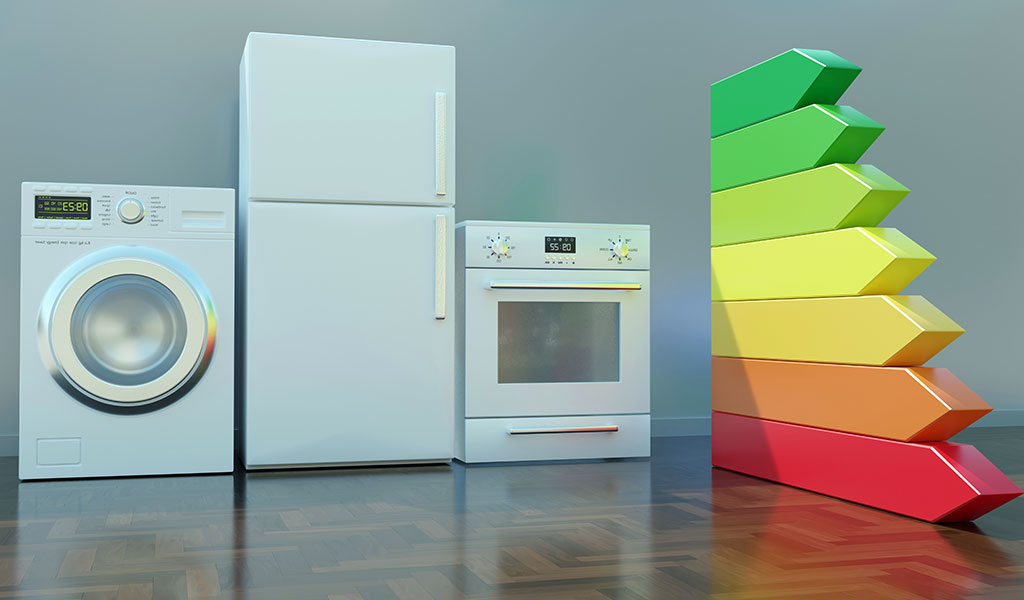
As we venture deeper into the eco-friendly home technology, it’s becoming more apparent that energy-efficient appliances are a game changer. These devices not only help in reducing your carbon footprint but also can significantly cut down on utility bills.
Smart Thermostats
Take smart thermostats for instance. They’re not just about controlling your home’s temperature anymore; they’ve become an essential component of energy conservation.
A study by the Environmental Law Institute found that smart thermostats could potentially save homeowners up to 20% on heating and cooling costs annually.
This isn’t surprising if you think about it: these handy gadgets learn from your behaviors, adjust the temperature based on occupancy, and even take weather forecasts into account!
Here’s a quick snapshot:
| Potential Savings (%) | Annual Saving ($) |
|---|---|
| 20 | 131 |
Now imagine what such savings would look like over a decade!
Furthermore, some smart thermostat models go above and beyond by offering features like energy usage reports and remote control via smartphone apps – making them a worthy investment for any green-conscious homeowner.
Energy Star Certified Devices
Then there are ENERGY STAR certified devices. These products meet stringent efficiency criteria set by the U.S Environmental Protection Agency (EPA) and Department of Energy (DOE).
Let’s take refrigerators as an example – ENERGY STAR certified models use at least 15% less energy than non-certified models, which translates to substantial cost savings over time. Similarly, certified clothes washers use about 25% less energy and 33% less water compared to regular models.
Consider these stats:
| Appliance | Energy Savings (%) | Water Savings (%) |
|---|---|---|
| Refrigerators | 15 | NA |
| Clothes Washers | 25 | 33 |
ENERGY STAR certification isn’t limited to just major appliances. It extends to a wide range of products including light bulbs, televisions, computers, and even building materials!
So the next time you’re shopping for home electronics or appliances, be sure to look out for ENERGY STAR certified options.
2. Solar Power Systems
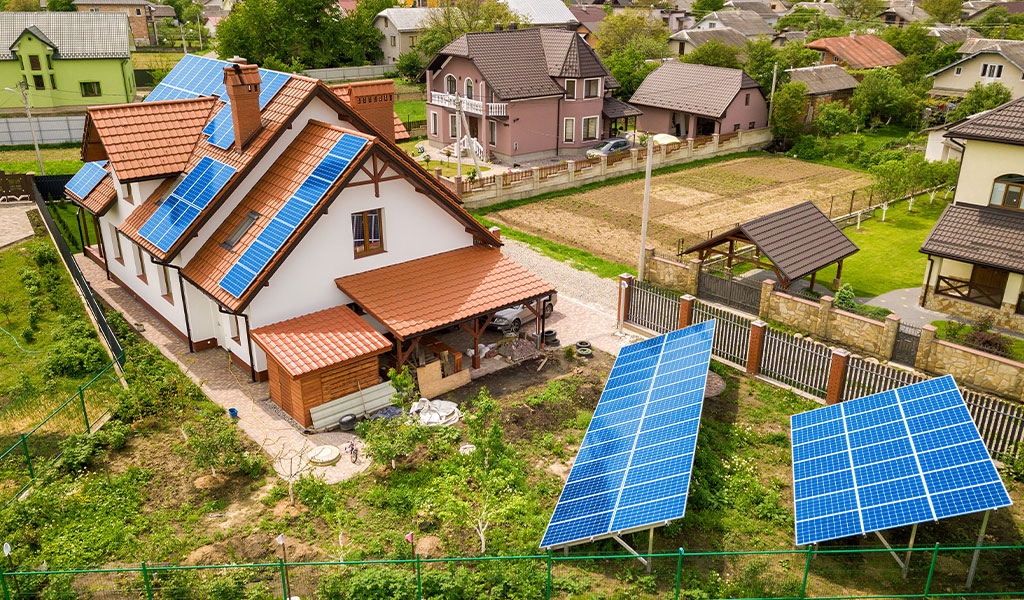
Today, it’s hard to talk about eco-friendly home technology without mentioning solar power systems. These innovative solutions are more than just a trend – they’re the future of sustainable living.
Photovoltaic Panels
First up on our list is photovoltaic panels, or as you probably know them, solar panels. Since their inception in the mid-20th century, solar panels have undergone significant advancements making them an increasingly popular choice for homeowners.
The principle behind these devices is simple yet ingenious: convert sunlight into electricity. Each panel consists of numerous small cells made from semiconductive materials (usually silicon).
When sunlight hits these cells, electrons are knocked loose and flow through the material generating electricity. The latest designs now boast efficiency rates over 20%, meaning they can convert one fifth of received sunlight into usable energy.
Here’s a snapshot of how solar panel adoption has grown in recent years:
| Year | Number of US homes with Solar Panels |
|---|---|
| 2010 | 30,000 |
| 2015 | 600,000 |
| 2020 | Over 2 million |
This surge in popularity isn’t by chance – it’s driven by several key advantages that come with using photovoltaic panels:
- Lower energy bills: By producing your own electricity, you’ll see a significant drop in your monthly utility costs.
- Reduced carbon footprint: Solar panels produce clean energy and help bring down greenhouse gas emissions.
- Increased property value: Homes equipped with solar power systems tend to sell for more due to their sustainable features.
Solar Battery Storage
The second component crucial to any efficient solar power system is battery storage. Until recently, excess power generated by solar panels during sunny days went unused unless sold back to the grid.
However, technological advances have made storing this surplus energy possible via specialized batteries known as ‘solar batteries’.
In summary:
- Solar power systems are leading the way in eco-friendly home technology.
- Photovoltaic panels convert sunlight into usable energy.
- Solar battery storage allows homeowners to utilize surplus energy produced by their solar panels for later use.
With these advances in solar technology, it’s no wonder more and more homeowners are opting for this eco-friendly alternative. The future of sustainable living is here – and it’s powered by the sun!
3. Sustainable Building Materials
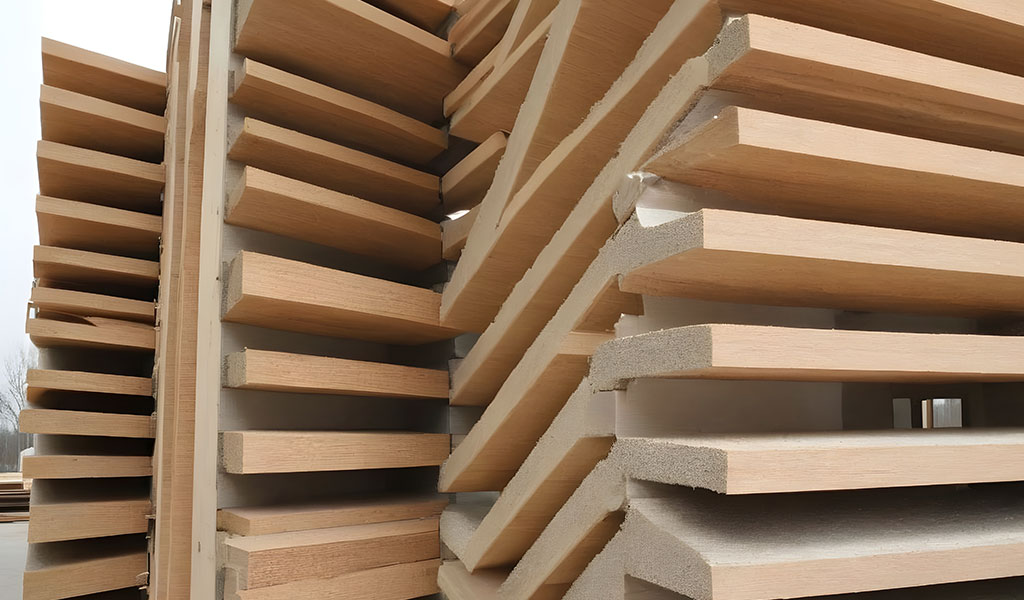
In the world of eco-friendly home technology, sustainable building materials are not merely a trend, but also a necessity. Let’s dive into some innovative options that you can consider for your home.
Recycled Glass Countertops
Recycled glass is transformed into elegant countertops by melting down discarded bottles and jars, creating an eco-friendly process that also adds a unique design element in homes.
Using recycled glass for this purpose can save up to 80% of the energy needed to produce new glass while preventing roughly 20 pounds of waste per square foot from ending up in landfills.
Here’s a quick look at energy savings:
| Material | Energy Savings |
|---|---|
| New Glass | 0% |
| Recycled Glass | Up to 80% |
Bamboo Flooring
The benefits of using bamboo for flooring instead of traditional hardwood. Bamboo is a fast-growing, durable plant that reaches maturity in five years compared to hardwood’s 20-100 years, making it a more sustainable option.
As awareness grows about sustainable building materials, eco-friendly homes are becoming increasingly popular. By choosing bamboo flooring, homeowners can contribute to this trend and foster a greener lifestyle.
4. Water Conservation Solutions
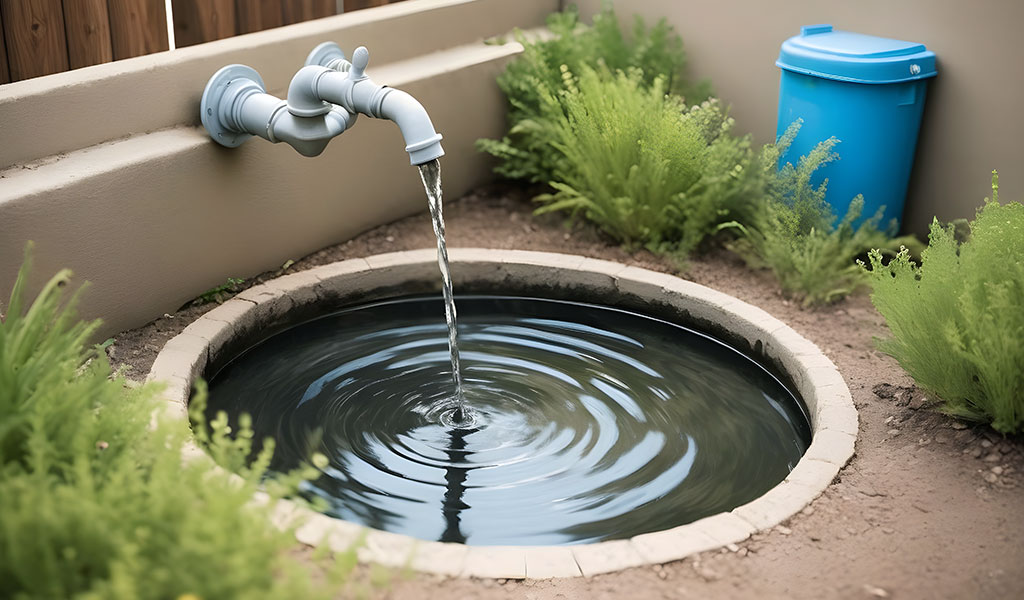
When it comes to eco-friendly home technology advances, you can’t overlook water conservation solutions.
They’re not just good for the environment, they’re also great for your wallet! Let’s dive into two effective strategies: low-flow fixtures and greywater recycling systems.
Low-Flow Fixtures
If you’re seeking an easy way to conserve water at home, look no further than low-flow fixtures. These nifty devices work by reducing the amount of water used in showers and faucets without compromising on performance.
Here are some impressive stats:
| Fixture Type | Standard Flow Rate (gallons per minute) | Low-Flow Rate |
|---|---|---|
| Showerhead | 2.5 | 1.5 – 2 |
| Faucet | 2.2 | 0.5 – 1 |
As seen in the table above, switching to low-flow showerheads and faucets can lead to significant water savings over time.
Consider this: if a family of four replaces their standard showerheads with low-flow alternatives, they could save up to 14,000 gallons of water annually! That’s enough to fill a small backyard swimming pool.
Greywater Recycling Systems
Another game-changing eco-friendly technology is greywater recycling systems – these innovative setups allow homeowners to reuse wastewater from showers, sinks, washing machines and dishwashers (referred as ‘greywater’) for tasks like flushing toilets or watering gardens.
Here’s how it works:
- Your home’s plumbing separates greywater from blackwater (wastewater from toilets)
- The greywater goes through a basic filtration process
- The filtered greywater gets stored until needed for non-drinking purposes
The use of water conservation solutions like low-flow fixtures and greywater recycling systems can significantly reduce your dependence on fresh water sources and decrease wastewater.
This not only makes your home more eco-friendly but also provides substantial savings on water bills. Therefore, considering these methods is beneficial for both you and the environment.
5. Smart Home Automation
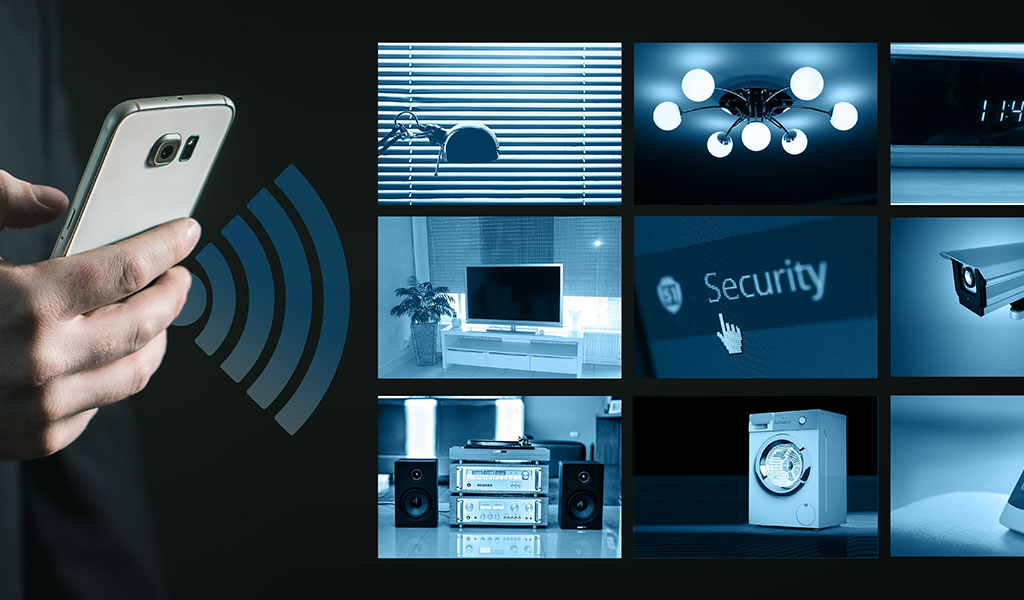
As the world grows more conscious of our environmental footprint, smart home automation is stepping up to the plate. Eco-friendly technology isn’t just about renewable energy sources anymore; it’s also about using what we have more efficiently.
Energy Monitoring Systems
Energy monitoring systems provide real-time feedback on power usage, helping to identify areas for potential consumption reduction and cost savings.
An example of such a system is the Sense Energy Monitor, which connects to your home’s electrical panel and recognizes each electronic device’s unique signatures. This data is then transmitted to your smartphone, enabling you to track usage patterns.
Here are some key benefits:
- Detailed insight into power usage
- Identify high-consuming appliances
- Potential cost savings by lowering energy use
Automated Lighting Controls
Next up on our list of advances in eco-friendly home tech is automated lighting controls. These systems allow you to manage all the lights in your house from a single point of control. You could dim or turn off lights automatically when not needed, saving significant amounts of electricity over time.
Look at Philips Hue for instance. Their range of smart bulbs can be controlled through an app or even with voice commands via Alexa or Google Assistant.
Key features include:
- Control lighting remotely
- Schedule lights for specific times
- Dimming capability without needing a dimmer switch
Smart home automation isn’t just making life easier; it’s also making it greener! By embracing these technologies today, we can all contribute towards a more sustainable future.
Conclusion
Eco-friendly home technology is increasingly popular for its environmental benefits, cost savings and enhanced quality of life.
Modern solar panels are more efficient and affordable, energy-efficient appliances reduce carbon footprint and save money, smart thermostats offer significant energy savings, LED lighting uses less energy and lasts longer than traditional bulbs, and water-saving fixtures perform well while reducing water usage.
Adopting such technologies can lead to a greener future but also improve living standards. With a wide range of options available today, individuals can find an eco-friendly solution suitable for their budget and lifestyle.

